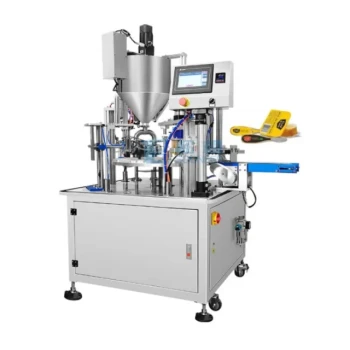
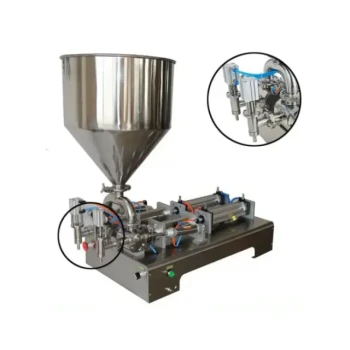
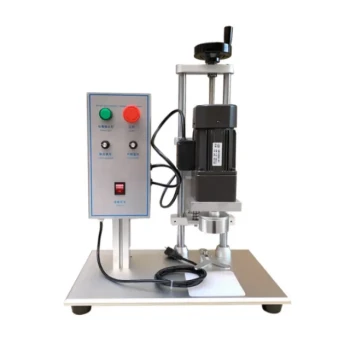
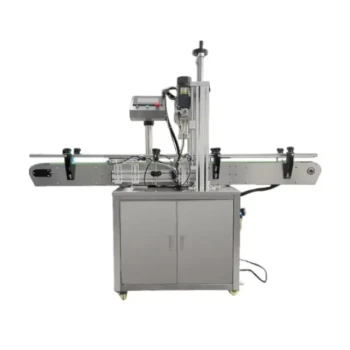
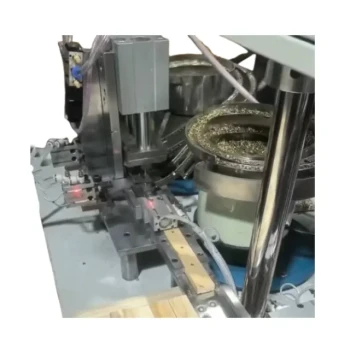
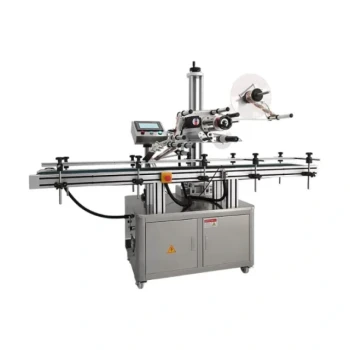
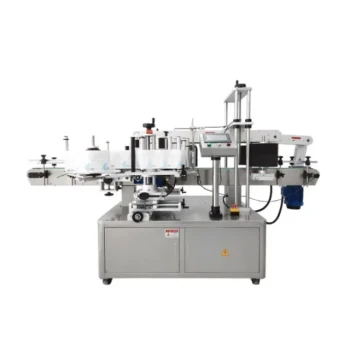
The introduction of modern processing machinery represents the definitive pivot point between traditional, labor-intensive beekeeping and a standardized, scalable industrial model. Specifically, the adoption of industrial-grade automatic filling and post-processing equipment allows operations to move beyond fragmented, small-scale harvesting. By automating filtration, dehydration, and packaging, these systems replace variable manual effort with consistent, high-volume production capabilities, directly enabling the transition to centralized food industrial systems.
Core Takeaway Modern machinery is not merely an efficiency upgrade; it is the structural prerequisite for industrialization. It converts beekeeping from an artisanal practice into a controllable manufacturing process by standardizing hygiene, drastically reducing labor costs, and ensuring the product consistency required for mass-market commercialization.
The Shift to Centralized Production
Breaking the Scale Barrier
Traditional beekeeping is limited by human labor capacity. Industrial-grade machinery removes this bottleneck, allowing enterprises to transition from individual, small-scale operations to large, centralized systems. This shift is essential for meeting the volume demands of the modern food industry.
Replacing Manual Labor
Automatic filling machines significantly reduce the industry's reliance on manual labor. By mechanizing repetitive tasks, businesses can reallocate human resources to hive management and colony health rather than packaging. This reduction in labor intensity is the primary driver of improved profit margins in commercial beekeeping.
Standardization of Quality and Hygiene
Achieving Consistent Purity
Industrial processing equipment introduces standardized filtration and dehydration workflows. Unlike manual processing, which varies by worker and batch, automated systems ensure that every unit of honey meets the same purity specifications. This consistency is critical for maintaining consumer trust and meeting regulatory standards.
Ensuring Sterile Environments
Automated filling lines utilize sterile processing workflows that are difficult to replicate manually. By sealing the product from source to packaging without direct human contact, these machines guarantee hygiene standards. This creates a food safety profile that qualifies honey products for high-end markets and international export.
The Foundation of Infrastructure
Precision and Interchangeability
While filling machines handle the output, specialized hive-making machinery secures the input. These machines produce hive components with precise dimensions, ensuring critical factors like "bee space" are uniform. This precision facilitates the seamless replacement of frames and the compatibility of equipment across different batches.
Enabling Mechanized Harvesting
Standardized hives are the physical foundation for advanced automation. You cannot use mechanized honey extractors or rotation systems if the hive components are irregular. Therefore, the industrialization of the hive structure itself is what makes the subsequent automated harvesting and processing possible.
Understanding the Trade-offs
High Initial Capital Intensity
Transitioning to industrial machinery requires significant upfront investment. While these tools reduce long-term labor costs, the initial expenditure on automatic filling lines and hive-manufacturing hardware can be a barrier for smaller operators. This shifts the business model from low-asset/high-labor to high-asset/low-labor.
Maintenance and Technical Expertise
The shift to automation introduces a new requirement for technical maintenance. Operators must possess or hire skills related to machinery repair and calibration, which differs vastly from biological beekeeping knowledge. Failure to maintain this equipment can lead to costly production distinct downtimes that manual operations do not face.
Making the Right Choice for Your Goal
To determine how to integrate these technologies into your operation, consider your specific end-goals:
- If your primary focus is Market Expansion: Prioritize automatic filling and filtration machinery to ensure the hygiene and consistency required by large retail chains.
- If your primary focus is Operational Efficiency: Invest in standardized hive-making and extraction machinery to minimize the physical labor required for colony management.
- If your primary focus is Long-term Scalability: Implement a fully integrated system where hive dimensions align perfectly with your harvesting equipment to allow for future capacity growth.
Industrialization is not just about making more honey; it is about creating a predictable, reproducible, and safe food product through engineering precision.
Summary Table:
| Feature | Traditional Beekeeping | Industrial Beekeeping | Impact on Business |
|---|---|---|---|
| Labor Type | Manual & Labor-Intensive | Automated & Machine-Driven | Dramatically lowers operational costs |
| Consistency | Variable (Batch to Batch) | Standardized & Precise | Builds brand trust and meets regulations |
| Hygiene | High Human Contact | Sterile, Closed Systems | Essential for export and food safety |
| Production | Small-scale / Artisanal | High-volume / Centralized | Enables mass-market retail entry |
| Infrastructure | Non-standard Hive Sizes | Precision-Engineered Frames | Allows for mechanized harvesting |
Transform Your Beekeeping Business with HONESTBEE
Ready to transition from manual labor to industrial-scale profitability? HONESTBEE specializes in empowering commercial apiaries and distributors with the cutting-edge infrastructure needed for growth.
We provide a comprehensive wholesale suite including:
- Advanced Machinery: Industrial-grade automatic filling machines, filtration systems, and honey-dehydration units.
- Precision Hardware: Specialized hive-making and honey-processing equipment for perfect standardization.
- Industry Consumables: A full spectrum of beekeeping tools and honey-themed cultural merchandise.
Whether you are looking to enhance your operational efficiency or expand your market reach, our expert team is here to supply the tools for your success.
Contact HONESTBEE Today to receive a tailored equipment consultation!
References
- Ryo Kohsaka, Yuta Uchiyama. Beekeeping and honey production in Japan and South Korea: past and present. DOI: 10.1016/j.jef.2017.05.002
This article is also based on technical information from HonestBee Knowledge Base .
Related Products
- Automatic Honey Filling and Filtering Machine for Beekeeping Bottle Filling
- Fully Automatic Honey Filling Packaging Machine for Processing Line
- Semi Automatic Small Honey Bottle Filling Machine Honey Filler
- Precision Automated Packaging Turntable Honey Spoon Filling Sealing Packing Machine
- Precision Durable Efficient HONESTBEE Rotary Honey Filling Machine
People Also Ask
- What process advantages do professional honey filtering and filling machines provide? Optimize Your Organic Honey Output
- How do honey filling and filtering machines increase product value? Turn Raw Honey into Premium Export-Grade Goods
- How do honey filtration and filling machinery contribute to industrialization? Scale Your Commercial Honey Production
- What specific issues do industrial filtration and automated filling machinery address? Ensure Honey Quality & Compliance
- How does the use of professional honey filtration and filling machinery facilitate international honey exports?