The periodic replacement of honeycombs every 2 to 3 years is a cornerstone of proactive apiary management, primarily because it reduces the accumulation of environmental stressors. By swapping aged combs for fresh beeswax, beekeepers eliminate reservoirs of chemical residues, metabolic waste, and pathogens that otherwise suppress a colony’s immune system and its ability to resist Varroa mite infestations.
Core Takeaway: Regular honeycomb turnover functions as a critical biosecurity measure that physically removes chemical toxins and pathogens while optimizing the colony's natural hygienic behavior, ensuring long-term hive productivity and Varroa resistance.
Eliminating Chemical and Pathogen Reservoirs
The Risk of Bio-accumulation
Honeycombs act as a "chemical sponge" over time, absorbing residues from agricultural pesticides and the very chemical treatments used to control Varroa mites. Accumulated drug residues can weaken the honeybees' immune systems, making them significantly more vulnerable to the viruses transmitted by Varroa mites.
Managing Metabolic Waste
As multiple generations of bees are raised in the same cells, metabolic waste and the waste from parasitic mites build up. Replacing these combs every 2 to 3 years provides a "clean slate," fundamentally improving the environment where the queen lays her eggs and the brood develops.
Optimizing Physical Hive Hygiene
Reducing Physical Resistance in Cleaning
New honeycombs consist of pure, fragile beeswax, which allows worker bees to easily uncap and clean cells. Older combs accumulate layers of propolis, proteins, and larval molts, which harden the cell walls and increase the physical effort required for colony hygiene.
Enhancing Natural Defense Mechanisms
When the physical resistance of the comb is low, worker bees can perform hygienic tasks more efficiently. This increased efficiency translates to better detection and removal of Varroa-infested brood, a key trait in mite-resistant honeybee populations.
Mitigating Secondary Pest Pressures
Preventing Wax Moth Outbreaks
Old honeycombs are highly attractive to the Greater Wax Moth (Galleria mellonella) due to the presence of pollen residues and larval molts. Research shows that egg-laying counts on old combs can be three times higher than on new ones, creating an additional layer of stress on the colony.
Securing Economic Value through Storage
To minimize economic losses, professional beekeepers must pair regular comb replacement with high-sealing storage solutions. Using professional-grade storage cabinets prevents secondary infestations, ensuring that the replacement cycle remains a net positive for apiary productivity.
Understanding the Trade-offs
The Cost of Transition
The primary trade-off in honeycomb replacement is the energy cost to the bees, as they must consume significant amounts of honey to produce the wax for new combs. Beekeepers must balance the health benefits of new wax against the potential reduction in immediate honey yields during the transition period.
Supply Chain Reliability
For distributors and resellers, the 2-3 year replacement cycle creates a consistent, predictable demand for high-quality beeswax foundation and frames. Maintaining a full-spectrum product portfolio and ensuring ultra-fast delivery is essential to help beekeepers execute these replacements without disrupting their seasonal timelines.
How to Apply This to Your Business Strategy
A consistent honeycomb turnover strategy is only as effective as the supply chain supporting it. To maximize value for your clients, consider these professional recommendations:
- If your primary focus is increasing colony survival rates: Promote the 2-year replacement cycle as a non-negotiable biosecurity standard to reduce chemical stress.
- If your primary focus is operational efficiency: Leverage our professional expertise to source premium, high-purity beeswax foundations that bees can draw out rapidly.
- If your primary focus is long-term customer loyalty: Offer "one-stop" kits that include both replacement frames and high-sealing storage solutions to prevent wax moth damage.
- If your primary focus is supply chain stability: Partner with a wholesaler capable of rapid response and efficient order fulfillment to meet the seasonal peaks of hive maintenance.
Implementing a disciplined honeycomb replacement program is the most cost-effective way to strengthen a colony’s natural defenses and ensure sustainable beekeeping success.
Summary Table:
| Strategic Driver | Impact on Bee Colony | Long-term Business Benefit |
|---|---|---|
| Chemical Removal | Eliminates pesticide & drug residues | Boosts colony immune resilience |
| Pathogen Control | Reduces metabolic & parasitic waste | Higher brood survival rates |
| Hive Hygiene | Allows easier cleaning & uncapping | Enhanced mite-detection behavior |
| Pest Mitigation | Prevents Wax Moth infestations | Protects hive assets & honey value |
Scale Your Beekeeping Distribution with HONESTBEE
As a premier one-stop source for commercial apiaries and B2B resellers, HONESTBEE delivers a comprehensive full-spectrum product portfolio. From high-purity beeswax foundations essential for 2-year replacement cycles to specialized honey-filling machinery and cultural merchandise, we provide everything your customers need to thrive.
Why Partner with HONESTBEE?
- Deep Professional Expertise: Leverage our industry knowledge to source premium, reliable equipment.
- Rapid Fulfillment: Benefit from ultra-fast delivery and efficient order processing to meet seasonal peaks.
- Dedicated Support: Exceptional customer service tailored to the needs of wholesalers and distributors.
Contact HONESTBEE Today to streamline your supply chain, enhance your profit margins, and secure high-quality beekeeping consumables for your market.
References
- E. R. Mendybayeva, A.R. Khairushev. VARROOSIS OF HONEY BEES: CLINICAL MANIFESTATIONS, DIAGNOSIS, AND MODERN APPROACHES TO TREATMENT. DOI: 10.52578/2305-9397-2025-4-1-176-184
This article is also based on technical information from HonestBee Knowledge Base .
Related Products
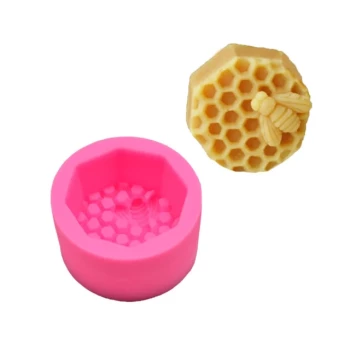
- Hexagonal Bee Honeycomb Silicone Soap Mold by HONESTBEE
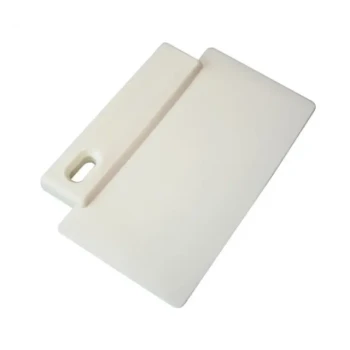
- Professional Wide Blade Honey Scraper for Beekeeping and Honey Processing
- Honey Bee Lifecycle Model: A Detailed Honeycomb Display of Bee Development
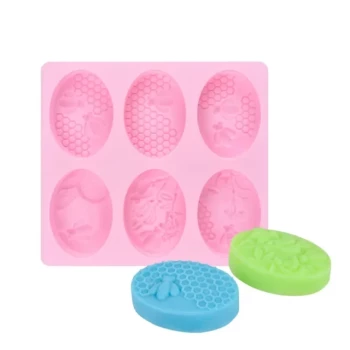
- Premium 6-Cavity Bee and Floral Themed Silicone Soap Mold
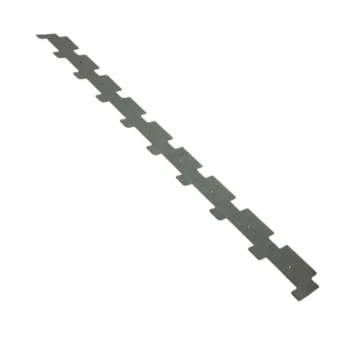
- Heavy Duty Castellated Iron Frame Spacer for Honey Supers
People Also Ask
- What are the advantages of silicone molds for queen cell cups? Upgrade Your Queen Rearing Precision
- What should be considered when selecting combs of honey for extraction? | Key Steps for Quality Honey
- What do bees use combs for? The Hive's Essential Pantry and Nursery
- How are Honeycombs utilized as a standardized testing platform in the assessment of honeybee hygienic cleaning? Guide
- How does removing entire honeycombs impact Varroa mites? Master Mechanical Mite Control for Healthier Hives