The precise adjustment of beehive entrance orientation acts as the primary passive climate control system for the colony. By directing the entrance away from prevailing cold winds, you prevent sharp internal temperature fluctuations that force the colony to consume excess honey reserves for warmth. Simultaneously, correct orientation positions the hive to capture morning sunlight, acting as a catalyst to activate early foraging behavior.
Proper hive orientation is an energy management strategy. It minimizes the "fuel" (honey) bees must burn to maintain hive temperature and maximizes the hours they spend foraging, directly impacting the apiary's net productivity.
Managing Colony Energy Reserves
Preventing Thermal Stress
The most immediate impact of entrance orientation is the mitigation of cold drafts. When winter winds blow directly into the hive, the internal temperature drops rapidly.
This forces the colony to cluster tightly and expend significant energy to generate metabolic heat. By turning the entrance away from these winds, you create a stable thermal envelope that requires less active regulation by the bees.
Conserving Honey Stores
Heat generation in a hive is not free; it is fueled by honey consumption.
If a colony is battling constant drafts due to poor orientation, they must consume large amounts of their winter stores just to survive. Precise orientation preserves these stores, ensuring higher honey retention rates for the beekeeper and better survival odds for the colony.
Optimizing Foraging Efficiency
Leveraging Solar Activation
Beyond defense against the cold, orientation is an offensive tool for production.
Positioning the entrance to catch the morning sun warms the entrance area quickly. This signals the colony that the day has begun, encouraging bees to leave the hive earlier than they would in a shaded or west-facing orientation.
Maximizing the Production Window
Early activation extends the effective foraging day.
By getting foragers out as soon as temperatures permit, the colony can capture more nectar and pollen. Over the course of a season, these extra hours of activity accumulate into significant gains in honey production.
Balancing Internal Atmosphere
Controlled Ventilation
While blocking direct wind is crucial, the hive still requires fresh air exchange.
Proper orientation achieves a balance: it facilitates necessary ventilation to remove moisture and stale air without allowing high-velocity wind to strip away heat. This balance maintains the internal microclimate necessary for brood rearing and honey curing.
Understanding the Trade-offs
The Risk of Overheating
While seeking morning sun is beneficial, one must ensure the hive does not become a solar oven in the afternoon.
In extremely hot climates, an orientation that prioritizes morning sun without considering afternoon shade can lead to overheating. This forces bees to switch from foraging to water collection for cooling, reducing productivity.
Standardization vs. Site Specificity
Beekeepers often rely on standardized equipment and interchangeable parts to streamline operations.
However, reliance on standardized setups should not lead to rigid site placement. Orientation is a variable that must be customized to the specific microclimate and wind patterns of the apiary site, regardless of how uniform the hive components are.
Making the Right Choice for Your Goal
To determine the optimal orientation for your specific apiary, consider your primary objectives:
- If your primary focus is winter survival and resource conservation: Orient the entrance directly away from the prevailing winter winds to minimize honey consumption for heating.
- If your primary focus is maximizing spring honey production: Orient the entrance east or southeast to capture early morning sun and extend the daily foraging window.
Ultimately, precise orientation aligns the hive's physical position with the local environment to reduce stress on the colony and maximize metabolic efficiency.
Summary Table:
| Factor | Recommended Orientation | Primary Benefit |
|---|---|---|
| Cold Wind Protection | Away from prevailing winds | Reduces honey consumption for heating |
| Foraging Activation | East or Southeast | Early morning sun triggers foraging activity |
| Thermal Regulation | Avoid direct afternoon sun | Prevents overheating and water-hauling stress |
| Humidity Control | Leeward/Protected side | Facilitates moisture removal without heat loss |
Maximize Your Apiary’s Potential with HONESTBEE
Precise management is the difference between a surviving colony and a thriving one. HONESTBEE supports commercial apiaries and distributors worldwide with a comprehensive range of professional-grade beekeeping tools, advanced honey-filling machinery, and essential consumables. Whether you are scaling up with automated hive-making equipment or sourcing high-quality hardware for your distribution network, our expertise ensures your operation achieves maximum efficiency and yield.
Ready to upgrade your commercial beekeeping operations? Contact HONESTBEE today to explore our wholesale solutions and industry-leading equipment.
References
- Enrique Rodríguez Balam, Miguel Pinkus Rendón. Apicultura, entorno y modernidad en localidades de Yucatán, México. DOI: 10.5007/2175-7925.2015v28n3p143
This article is also based on technical information from HonestBee Knowledge Base .
Related Products
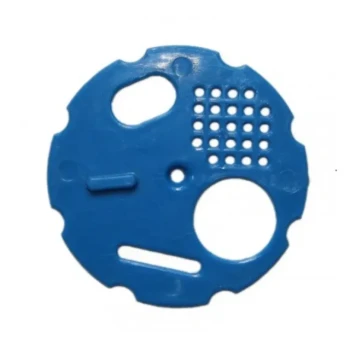
- Beehive Entrance Discs Plastic Bee Entrance Disc for Bee Hives
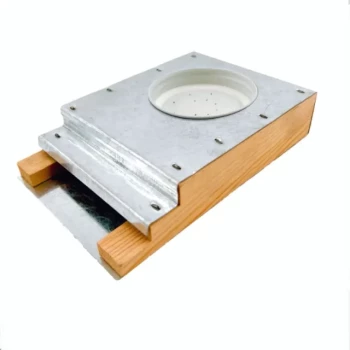
- Professional Reversible Beehive Hive Entrance
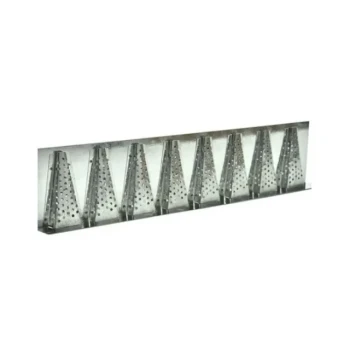
- Professional Hive Front Entrance Bee Feeder
- Multi-Functional Sliding Hive Entrance for Beekeeping
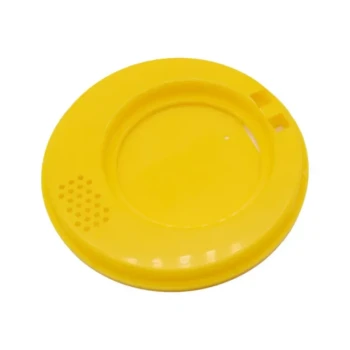
- Multi-Functional Rotary Hive Entrance Disc for Beekeeping
People Also Ask
- What is the best entrance for a bee hive? Maximize Colony Health & Honey Production
- What happens if you block the entrance to a bee hive? Avoid This Dangerous Mistake
- How does entrance configuration vary seasonally for beekeepers? A Guide to Year-Round Hive Health
- Why adjust beehive entrance size for humidity? Boost Honey Ripening and Varroa Control in Commercial Apiaries
- How big should a beehive entrance be? Optimize for Colony Health & Honey Production