Reinforcing beehive covers with polypropylene plates is a critical winter management strategy because it minimizes heat loss at the hive's highest point, where thermal energy naturally escapes. By improving insulation in the top section of Langstroth hives, these plates significantly reduce the volume of food stores a colony must consume to maintain their core cluster temperature, directly increasing winter survival rates.
Core Takeaway: Polypropylene reinforcement transforms a standard cover into a high-performance thermal barrier that protects bee colonies from metabolic exhaustion and lethal condensation during the coldest months.
The Role of Polypropylene in Thermal Efficiency
Minimizing Vertical Heat Escape
Heat naturally rises, making the hive cover the primary path for thermal loss in a standard Langstroth setup. Polypropylene plates act as a specialized insulation layer that traps warmth within the upper reaches of the hive. This reinforcement ensures that the energy produced by the winter cluster is not immediately dissipated into the environment.
Reducing Food Store Consumption
To survive winter, honeybees form a tight cluster and vibrate their wing muscles to maintain a central temperature in the mid-90s Fahrenheit. When a cover is poorly insulated, bees must consume more honey to fuel the metabolic heat required to offset the cold. Reinforced covers lower this energy demand, preserving critical food stores for the late-winter period when resources are most scarce.
Improving Overwintering Survival Rates
While top insulation may not drastically shift the average internal hive temperature, it stabilizes the environment near the cluster. This stability prevents the "cold snaps" that can kill a colony if they are forced to break their cluster to reach food. A well-insulated top is often the deciding factor in whether a colony survives until the first spring thaw.
Moisture Management and Colony Health
Preventing Lethal Condensation
Warm air rising from the bee cluster carries moisture which, upon hitting a cold, unreinforced cover, can condense into freezing water droplets. If this water drips back onto the bees, it can be lethal to the colony. Polypropylene reinforcement keeps the inner surface of the cover warmer, preventing this condensation cycle and keeping the cluster dry.
Supporting Necessary Air Circulation
Modern winter management often pairs reinforced covers with inner covers that feature central ventilation holes. This configuration creates a "dead air space" that provides insulation while still allowing excess humidity to escape. This balance of thermal retention and moisture control is vital for preventing fungal growth and respiratory issues within the hive.
Deterring Propolis and Maintenance Issues
Inner covers reinforced with specific materials deter bees from applying propolis to the exterior hive cover. This makes late-winter or early-spring inspections much more efficient for the beekeeper. By reducing the need to pry the hive apart, beekeepers can avoid breaking the vital thermal seal of the hive during sensitive periods.
Understanding the Trade-offs
The Risk of Over-Insulation
While insulation is beneficial, an entirely airtight seal can lead to carbon dioxide buildup and excessive humidity. It is critical that the reinforcement does not block the upper entrance or ventilation ports designed to let the colony breathe. A balance must be struck between "trapping heat" and "allowing respiration."
Weight and Wind Resistance
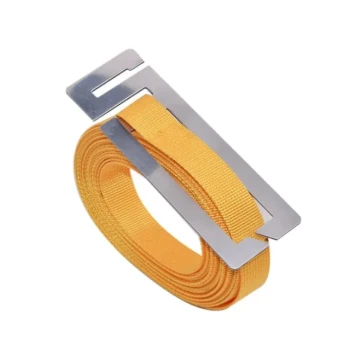
Polypropylene plates are lightweight, which is an advantage for shipping and handling but can be a disadvantage in high-wind areas. Distributors should recommend that end-users secure reinforced covers with straps or weights to ensure the thermal seal is not broken by winter storms.
Material Durability
Not all polypropylene is UV-stabilized, and constant exposure to the elements can lead to brittleness over several seasons. As a distributor, sourcing high-quality, UV-resistant plates is essential for providing a product that offers multi-year value to the commercial beekeeper.
How to Apply This to Your Product Portfolio
When advising your clients or selecting stock for the upcoming winter season, consider how these components fit into a comprehensive winterization kit.
- If your primary focus is Commercial Beekeepers: Highlight the ROI of polypropylene reinforcement by focusing on reduced colony loss and lower emergency feeding costs.
- If your primary focus is Retail Hobbyists: Emphasize the ease of installation and the protection of their "pet" bees from lethal moisture drips.
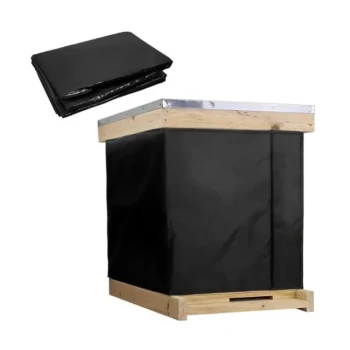
- If your primary focus is Supply Chain Efficiency: Leverage our one-stop sourcing to bundle reinforced covers with winter wraps and inner covers for a complete, high-margin winterization solution.
Investing in high-quality thermal reinforcement components ensures your customers have the professional-grade tools necessary to protect their livestock and maximize their spring productivity.
Summary Table:
| Key Benefit | Technical Mechanism | Commercial Value |
|---|---|---|
| Thermal Retention | Traps rising heat at the hive's highest point | Reduces colony starvation & energy waste |
| Moisture Control | Prevents freezing condensation drips | Lowers winter mortality rates significantly |
| Cluster Stability | Minimizes temperature fluctuations | Ensures stronger, more productive spring colonies |
| Ease of Maintenance | Deters propolis build-up on outer covers | Enables faster, less intrusive hive inspections |
Scale Your Success with HONESTBEE’s One-Stop Sourcing
At HONESTBEE, we empower distributors, wholesalers, and B2B resellers with a comprehensive, full-spectrum product portfolio tailored for the professional apiary market. From UV-stabilized polypropylene plates to advanced honey-filling machinery and hive-making equipment, we provide the reliable hardware and consumables your customers demand.
Partner with HONESTBEE to benefit from:
- Premium Trading Services: Dedicated customer support and deep industry expertise.
- Optimized Supply Chain: Ultra-fast delivery and efficient fulfillment for large-scale orders.
- Market Competitive Edge: High-margin wholesale offerings with OEM/ODM support capabilities.
Ready to enhance your inventory with professional-grade beekeeping solutions?
References
- Samantha Rodríguez-Vásquez, Jesús Antonio Orozco-Avitia. HIVE TEMPERATURE REGULATION BY HONEYBEES IN RESPONSE TO EXTREME CONDITIONS. DOI: 10.47163/agrociencia.v58i3.3082
This article is also based on technical information from HonestBee Knowledge Base .
Related Products
- Inner Beehive Cover for Beekeeping Bee Hive Inner Cover
- Professional Insulated Winter Hive Wrap for Beekeeping
- Professional Insulated Plastic Bee Hives
- Telescopic Beehive Outer Cover Lid Roof with Galvanised Sheeting for Langstroth Hive and Beehive Outer Cover
- Economy Polyester Beekeeping Jacket with Veil and Hat
People Also Ask
- What is the purpose of the inner cover in a beehive? A Key to Hive Health & Easy Management
- What is the function and placement of an inner cover in a beehive? Essential Hive Management Guide
- What is the purpose of the inner and outer covers in a beehive? Essential for Hive Health & Management
- What is a beehive's inner cover and how is it used? Essential Guide for Hive Insulation and Ventilation
- What are the functions of the inner and outer covers on a beehive? Essential Guide for Hive Protection and Management