Strategic placement of beehives is mandatory in hybrid sunflower seed production because the pollen is physically too heavy for wind dispersal. To achieve successful fertilization, growers must deploy honeybees as a high-density, controlled workforce. These insects mechanically transfer pollen from male parent lines to female parent lines, a process that determines the ultimate stability and volume of the seed yield.
Because sunflower pollen is too heavy and sticky to travel by wind, honeybees serve as the essential mechanical bridge between distinct parent lines. Strategic hive placement ensures the high-density insect activity required to maximize cross-pollination and guarantee a viable commercial harvest.
The Biological Barrier: Why Wind Fails
The Physical Nature of Sunflower Pollen
Unlike crops that rely on the breeze to spread genetic material, sunflowers produce pollen that is heavy and adhesive.
The Inadequacy of Natural Forces
Wind currents are insufficient to lift and carry this heavy pollen across the necessary distances in a field. Without a biological vector to physically move the pollen, reproduction essentially stops.
The Role of the Honeybee
Honeybees act as the primary pollinators in this system. They are not merely helpful additions; they are the logistical engine required to transport the heavy pollen grains from flower to flower.
The Hybridization Mechanism
Distinct Parent Lines
Hybrid production relies on two specific genetic lines: the Male Parent (Restorer lines) and the Female Parent (Cytoplasmic Male-Sterile or CMS lines).
The Cross-Pollination Requirement
For hybrid seed to form, pollen must be moved specifically from the Restorer line to the CMS line. This cannot happen autonomously.
Efficient Transfer
Strategic hive placement ensures that bees visit both line types frequently. This movement facilitates the efficient transfer of genetic material required to improve hybridization success rates.
Strategic Implementation and Yield
Controlled Pollination Sources
Growers cannot rely on wild pollinators alone. Placing hives strategically creates a controlled pollination source with a population density high enough to cover the entire crop.
Stabilizing Seed Yield
The volume of the harvest is directly correlated to the efficiency of this transfer. Proper hive placement stabilizes seed yield by ensuring that the maximum number of female flowers are fertilized.
Understanding the Risks
The Consequence of Low Density
If the density of bees is too low due to poor hive placement, the heavy pollen remains on the male plants. This results in significant yield gaps and wasted production acreage.
Dependency on Vector Health
Because the system is entirely dependent on the bee as a vector, the health and activity levels of the hives become a critical production variable. If the bees are inactive, the "bridge" between the male and female lines collapses.
Optimizing Your Pollination Strategy
To ensure the success of your hybrid sunflower production, align your hive placement with your specific biological goals:
- If your primary focus is Yield Volume: Ensure hive density is high enough to force competition among bees, driving them to visit every available flower in the field.
- If your primary focus is Hybridization Rate: prioritize placement that encourages movement between the Restorer (Male) and CMS (Female) rows to maximize genetic transfer.
By treating the honeybee as a critical component of your operational infrastructure, you convert a biological necessity into a predictable, manageable asset.
Summary Table:
| Factor | Impact on Sunflower Pollination | Role of Strategic Hive Placement |
|---|---|---|
| Pollen Weight | Too heavy/sticky for wind dispersal | Ensures bees are available to physically transport pollen |
| Genetic Lines | Requires transfer from Male to Female parents | Facilitates frequent movement between distinct parent rows |
| Population Density | Wild pollinators are insufficient for scale | Provides a controlled, high-density workforce for the entire field |
| Yield Stability | Incomplete pollination leads to yield gaps | Stabilizes harvest volume through guaranteed cross-pollination |
Elevate Your Commercial Beekeeping Operations with HONESTBEE
At HONESTBEE, we understand that in hybrid seed production, honeybees are your most critical infrastructure. As a specialized partner for commercial apiaries and distributors, we provide the industrial-grade tools you need to maintain high-density, high-performance colonies.
From honey-filling and hive-making machinery to a full spectrum of beekeeping equipment and essential consumables, our wholesale offerings are designed to scale your business. Whether you are supplying pollination services to large-scale sunflower growers or expanding your distribution network, we deliver the quality and expertise required to ensure your hives remain a predictable asset.
Ready to optimize your production? Contact us today to explore our comprehensive wholesale solutions!
References
- S. Terzić, Petar Čanak. Review of 40 years of research carried out in Serbia on sunflower pollination. DOI: 10.1051/ocl/2017049
This article is also based on technical information from HonestBee Knowledge Base .
Related Products
- HONESTBEE Adjustable Voltage Wire Embedder with Digital Display
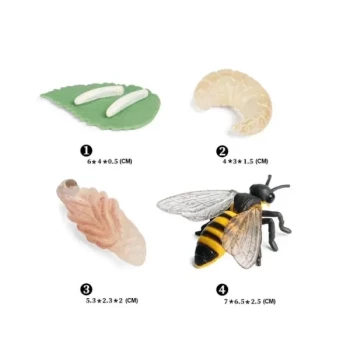
- Honey Bee Life Cycle Model 4 Stage Educational Set for Kids Learning
- HONESTBEE AC Powered Wire Embedder with Alligator Clips
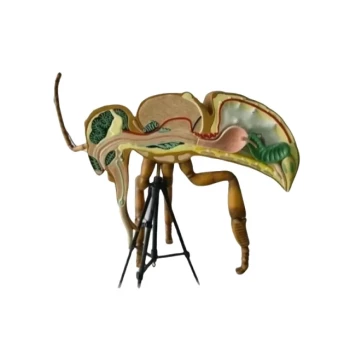
- HONESTBEE Anatomy Bee Model Detailed Anatomical Display for Education and Study
- Honey Bee Lifecycle Model: A Detailed Honeycomb Display of Bee Development
People Also Ask
- How can combs be further strengthened? Embed Wires for Durable, High-Yield Hives
- What is an embedder in beekeeping? Essential Tool for Strengthening Wax Foundation & Hive Frames
- How does geographic location and temperature affect the timing of honeybee delivery? Ensure Successful Installation
- Why replace honeybee populations during invasive predation? Maintain Apiary Stability & Maximize Honey Yields
- What are the consequences of disrupting the propolis envelope? Protect Your Beehive's Social Immunity