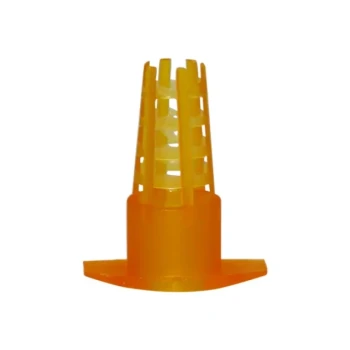
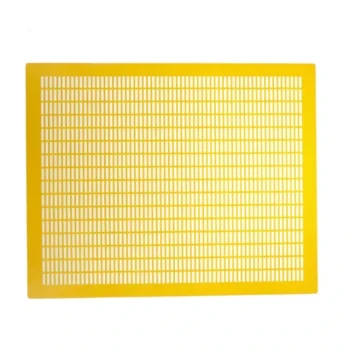
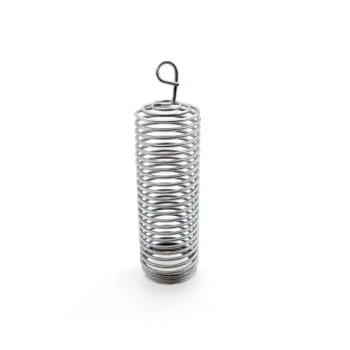
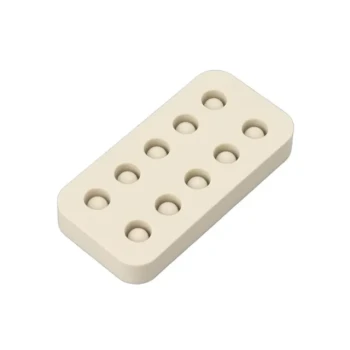
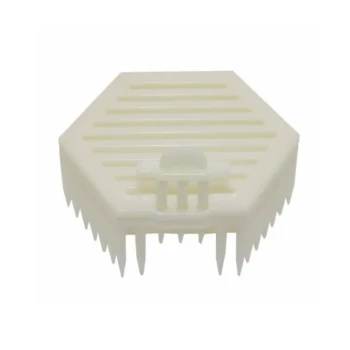
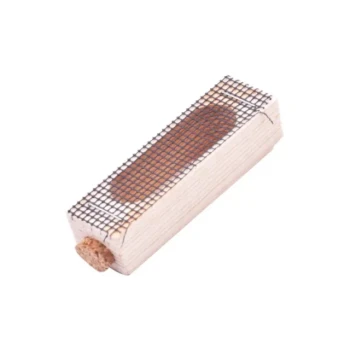
A queen insulator serves as a critical biological firewall immediately prior to the emergence of unfertilized queen bees. Its primary necessity lies in preventing the instinctive, fatal combat that occurs when the first virgin queen to hatch seeks out and destroys her rivals while they are still in their cells. Furthermore, this device transforms a chaotic natural event into a controlled process, enabling technicians to safely manage subsequent tasks such as disease prevention and marking.
By isolating queen cells prior to hatching, breeders transform a chaotic natural struggle into a managed production process. This ensures maximum survival rates while providing the centralized access needed for standardized tagging, health screenings, and accurate record-keeping.
Preserving Stock Through Physical Isolation
Preventing Fatal Combat
In a natural colony, the first virgin queen to emerge views unhatched queens as immediate threats to her survival.
Without intervention, this early-emerging queen will actively hunt down other queen cells. She will sting and kill the unhatched sisters inside, effectively destroying the potential yield of the rearing cycle. The queen insulator provides a physical barrier that makes this destruction impossible.
Shielding Against Worker Aggression
Threats to unhatched queens do not only come from rival queens.
Worker bees may occasionally destroy queen cells due to environmental changes or stress within the colony. The insulator isolates the cell from the general population, preventing workers from tearing down or damaging the cells before the queens can emerge.
Streamlining Technical Management
Facilitating Disease Prevention
Modern queen rearing often involves proactive health measures.
The primary reference highlights that insulators allow technicians to easily access queens for disease prevention vaccinations. By containing the queen immediately upon birth, these delicate medical procedures can be performed efficiently before the queen is released into a mating nucleus.
Enabling Marking and Tracking
For professional breeders, identification is paramount.
The insulator ensures that every produced queen enters the next stage in a controlled environment. This containment allows technicians to mark the queens for age and lineage identification without the risk of the queen flying off or being balled by the colony.
Data Collection and Quality Control
Accurate breeding requires precise data.
Using isolation cages allows beekeepers to record the specific emergence rate of each batch. It also facilitates the measurement of morphometric parameters (body measurements) to ensure only high-quality queens are selected for transfer.
Understanding the Operational Trade-offs
The Criticality of Timing
The effectiveness of a queen insulator is entirely dependent on the technician's schedule.
It must be installed just before emergence. If the installation is delayed even slightly, and one queen emerges early, the protective benefits are nullified, and the batch may be lost.
Resource Management
While effective, using insulators increases the equipment and labor load.
These devices are often treated as management consumables. They require cleaning, storage, and precise placement, adding a layer of complexity to the hive management workflow compared to free-range emergence.
Optimizing Your Queen Rearing Strategy
To maximize the utility of queen insulators, align their use with your specific production goals:
- If your primary focus is Volume and Yield: Prioritize the insulator as a physical barrier to stop the "first-to-hatch" queen from killing her sisters, ensuring maximum survival per batch.
- If your primary focus is Quality Control and Breeding: Leverage the insulator to hold queens for morphometric measuring, precise marking, and recording emergence data before selection.
Ultimately, the queen insulator is the necessary bridge between the unpredictability of natural selection and the precision required for professional apiary management.
Summary Table:
| Key Benefit | Primary Function | Operational Impact |
|---|---|---|
| Fatal Combat Prevention | Physical barrier between rivals | Ensures maximum survival rates per batch |
| Worker Protection | Shields cells from worker aggression | Prevents premature cell destruction |
| Technical Management | Containment for marking and tagging | Facilitates easy identification and tracking |
| Health Control | Controlled access for vaccinations | Enables efficient disease prevention measures |
| Quality Assurance | Data collection environment | Allows for morphometric measuring and selection |
Maximize Your Apiary Yield with Professional Grade Equipment
Don't let natural instincts compromise your queen rearing success. HONESTBEE provides commercial apiaries and distributors with the high-precision beekeeping tools and machinery needed to transform chaotic natural events into managed, profitable processes.
From queen insulators and hive-making machines to honey-filling equipment and essential consumables, we offer a comprehensive wholesale portfolio designed for professional-scale operations. Partner with HONESTBEE to enhance your production efficiency and stock quality.
Contact our specialists today to discuss your wholesale needs!
References
- Айнур Алдиярова, J. B. Dosbolat. METHODS FOR IMPROVING REPRODUCTIVE AND PRODUCTIVE ABILITIES OF QUEEN BEE IN THE SOUTH OF KAZAKHSTAN. DOI: 10.52578/2305-9397-2023-3-2-226-233
This article is also based on technical information from HonestBee Knowledge Base .
Related Products
- Portable Queen Bee Incubator with 12V Car Adapter for Safe Transport
- JZBZ Style Shipping Cell Protector for Queen Rearing Kit
- Premium Wood Framed Metal Wire Queen Bee Excluder
- JZBZ Style Push-In Cell Protector for Professional Queen Rearing Kits
- High Performance Plastic Queen Excluder for Beekeeping and Apiary Management
People Also Ask
- What happens if a colony loses its queen during the nectar flow? A Guide to Salvaging Your Honey Harvest
- How can you tell if the worker bees have accepted the queen? Decode Bee Behavior for a Thriving Hive
- How can the queenless state of a newly created nuc be resolved? Expert Solutions for Colony Growth
- What are the primary reasons for replacing a queen bee? Boost Your Commercial Honeybee Colony's Success
- What queen bee behaviors should be observed after introduction? Ensure Hive Success with Our Expert Monitoring Guide