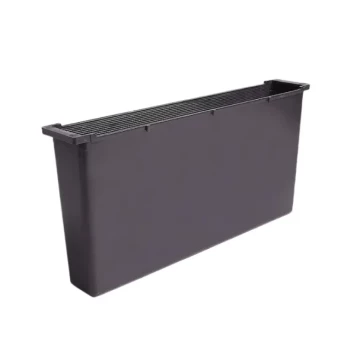
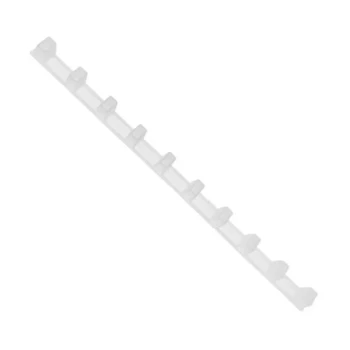
Iron supports are a critical infrastructure component for passive climate control and colony defense. They maintain a stable internal environment by elevating the Langstroth hive, effectively severing the link for direct heat conduction from hot soil, enhancing air circulation for cooling, and establishing a physical barrier against ground-dwelling pests.
Elevating Langstroth hives on iron supports acts as a fundamental thermal break. It prevents the absorption of ground heat and maximizes natural ventilation, stabilizing the colony's internal temperature while simultaneously securing the perimeter against predators.
Managing Heat Transfer
Breaking Thermal Conductivity
In many environments, the soil retains significant thermal energy, acting effectively as a heat reservoir. If a hive sits directly on the ground, the bottom board absorbs this heat through conduction.
Isolating the Hive Body
Iron supports elevate the structure, creating a necessary gap between the earth and the hive. This separation stops the upward migration of heat, preventing the bottom of the hive from becoming a radiator that overheats the colony.
Enhancing Airflow Dynamics
Promoting Natural Convection
Stagnant air around a hive can lead to dangerous internal temperature spikes. Elevated installation allows air to move freely underneath the hive body.
Improving Heat Dissipation
This improved circulation facilitates natural heat dissipation. As air flows beneath the hive, it carries away radiant heat, helping the bees maintain their optimal internal temperature with less energy expenditure.
Securing the Hive Perimeter
Defense Against Ground Pests
Ground-dwelling pests pose a constant threat to colony health and honey stores. A hive placed directly on soil is an easy target for crawling insects and moisture-loving organisms.
Creating a Physical Barrier
The use of iron supports introduces a vertical physical barrier. This elevation makes it significantly more difficult for pests to breach the hive, adding a layer of security that protects the colony without chemical intervention.
Understanding the Trade-offs
Stability and Installation
While iron supports provide essential environmental benefits, they introduce a need for careful installation. If the ground is uneven or the supports are not properly anchored, the center of gravity shifts, making the hive vulnerable to tipping during high winds or animal interference.
Material Maintenance
Iron is durable but susceptible to environmental degradation over time. To ensure the supports remain reliable, they may require periodic inspection or treatment to prevent rust, which could eventually compromise the structural integrity of the hive stand.
Optimizing Your Hive Setup
To get the most out of your iron supports, align your installation strategy with your specific environmental challenges:
- If your primary focus is thermal regulation: Ensure the supports provide substantial ground clearance to maximize the volume of air flowing beneath the bottom board.
- If your primary focus is pest management: Keep the iron legs free of vegetation and debris to prevent bridging that would allow pests to bypass the vertical barrier.
Proper elevation is a low-tech, high-impact investment in the longevity and productivity of your apiary.
Summary Table:
| Benefit | Mechanism | Impact on Colony |
|---|---|---|
| Thermal Regulation | Elevation breaks direct ground heat conduction | Prevents hive overheating during high soil temps |
| Airflow Dynamics | Creates gap for natural convection under hive | Enhances cooling efficiency and heat dissipation |
| Pest Control | Vertical physical barrier | Blocks crawling insects and ground-dwelling predators |
| Structural Health | Separation from soil moisture | Reduces wood rot and moisture-related hive damage |
Scale Your Apiary with Industrial-Grade Infrastructure
At HONESTBEE, we specialize in empowering commercial apiaries and distributors with the robust tools needed for large-scale success. From precision-engineered iron hive supports and hive-making machinery to advanced honey-filling systems, our comprehensive wholesale portfolio covers your entire production chain.
Enhance your operational efficiency and protect your honey stores with our premium beekeeping equipment and consumables. Contact our expert team today to discuss how our professional-grade solutions can optimize your business and support your growth in the competitive beekeeping industry.
References
- Maria de Fátima Pereira de Souza, Eva Mônica Sarmento da Silva. Desenvolvimento de abelhas melíferas em colmeias com diferentes cores e materiais de cobertura no semiárido brasileiro. DOI: 10.33448/rsd-v9i12.10890
This article is also based on technical information from HonestBee Knowledge Base .
Related Products
- Beehive Entrance Reducer Guardian Metal Hive Entrance for Bees
- Langstroth Solid Bottom Board for Beekeeping
- Solid Bottom Board Australian Pine Wood Langstroth Bottom Board for Wholesale
- Metal Bee Hive Stand Bee Box Stand for Beekeeping
- Professional Galvanized Steel Frame Rest for Beehives
People Also Ask
- Why are entrance reducers used to counter hornet infestations? Protect Your Hive with Strategic Choke Points
- What is the purpose of an entrance reducer for a beehive? Strengthen Colony Defense and Prevent Robbery
- What are the proper guidelines for using hive entrance reducers? Master Temperature Control & Colony Defense
- Why is it critical to maintain a smaller entrance for a newly established bee hive? Boost Colony Growth and Security
- What is the physical mechanism behind the use of hive entrance reducers? Protect Your Bees from Vespa velutina