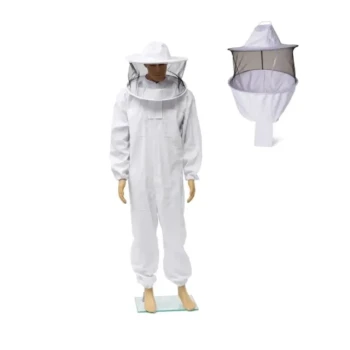
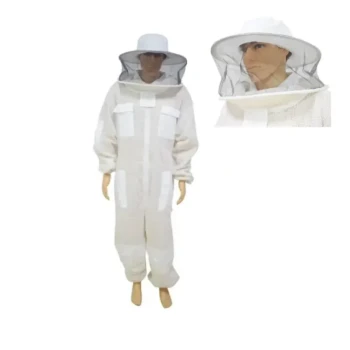
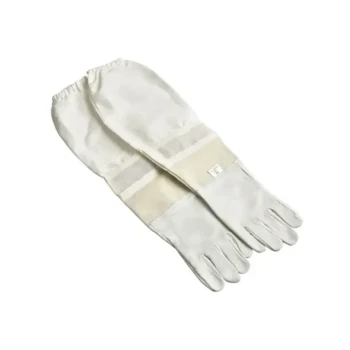
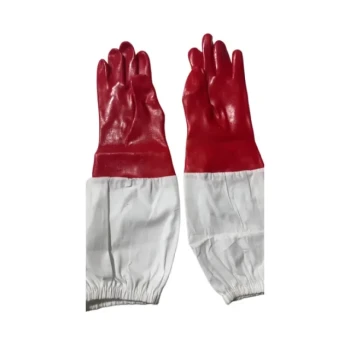
Even the most gentle honeybee colonies remain wild animals governed by instinct. While selective breeding can reduce aggression, professional protective clothing creates an essential physical barrier against stings triggered by environmental shifts, human error, or innate defensive reflexes.
Protective equipment is a tool for consistency, not just safety. It ensures that apiary operations continue uninterrupted, allowing for detailed assessments without the distraction or risk of injury caused by unpredictable colony behavior.
The Myth of Predictability in Docile Breeds
The Volatility of Environmental Factors
Even breeds known for their calmness can exhibit sudden aggression due to factors outside a beekeeper's control. Sudden changes in weather, such as barometric pressure shifts or approaching storms, can rapidly alter the mood of a hive. Relying on the breed's reputation ignores these external triggers.
The inevitability of Handling Errors
Beekeeping involves manipulating heavy frames and complex hive structures, often with sticky propolis. Accidental handling errors, such as dropping a frame or squeezing a bee, will trigger a defensive sting regardless of the breed's genetics. Protective clothing mitigates the consequences of these inevitable human mistakes.
Natural Defensive Instincts
"Docile" does not mean defenseless; it simply means a higher threshold for provocation. Every healthy colony possesses natural defensive instincts to protect resources and brood. Detailed inspections often require invasive actions that can cross this threshold, making a physical barrier necessary.
Ensuring Operational Continuity
Enabling Detailed Inspections
Effective apiary management requires rigorous health assessments, including checking for parasites and queen viability. Without the security of a veil and protective suit, a beekeeper may rush these tasks to avoid stings. Protective gear allows the operator to work slowly and thoroughly, ensuring no critical details are missed.
The Necessity of a Physical Barrier
The primary function of professional gear is to provide a high-strength physical barrier between the operator and the colony. This separation allows technicians to maintain focus on the task at hand rather than their personal safety. It transforms a potentially hazardous biological interaction into a controlled, routine procedure.
Understanding the Trade-offs
Complacency vs. Preparedness
A common pitfall among beekeepers managing docile breeds is developing a false sense of security. Skipping protective gear because a hive was calm yesterday increases the risk of a severe incident today. Over-confidence is a safety liability; the gear eliminates variables that you cannot predict.
Dexterity and Comfort
While high-strength materials provide safety, they can reduce tactile feedback. It is crucial to select gear that balances protection with dexterity, ensuring that the physical barrier does not cause the very clumsiness that leads to accidental stings.
Making the Right Choice for Your Safety
To maintain a professional standard of safety and care, assess your equipment needs based on your operational goals.
- If your primary focus is Operational Efficiency: Wear full protective gear to perform deep, uninterrupted inspections without the distraction of potential stings.
- If your primary focus is Risk Management: Utilize veils and protective clothing as a mandatory protocol to guard against weather-induced aggression or accidental handling errors.
Treat protective clothing as essential infrastructure that guarantees your ability to manage the apiary regardless of the colony's mood.
Summary Table:
| Factor | Risk with Docile Breeds | Role of Protective Clothing |
|---|---|---|
| Environment | Weather shifts & pressure changes trigger aggression | Provides a consistent safety barrier |
| Human Error | Accidental crushing or dropping of frames | Mitigates the impact of handling mistakes |
| Instincts | Natural defense of resources and brood | Allows for invasive, thorough inspections |
| Management | Rushed tasks due to fear of stings | Enables calm, detailed health assessments |
| Psychology | Over-confidence and complacency | Standardizes safety protocols regardless of mood |
Secure Your Apiary Operations with HONESTBEE
At HONESTBEE, we understand that professional-grade protection is the foundation of a successful commercial operation. We cater to commercial apiaries and distributors worldwide, providing a comprehensive wholesale selection of high-strength protective clothing, veils, and essential beekeeping tools. From durable safety gear to advanced honey-filling and hive-making machinery, our portfolio is designed to enhance your efficiency and safety.
Equip your team with the best industry consumables and hardware. Contact us today to discuss our wholesale offerings and discover how we can add value to your beekeeping business.
References
- Stephen Palmer. Beekeeping in the Falkland Islands. DOI: 10.1080/00218839.2008.11101481
This article is also based on technical information from HonestBee Knowledge Base .
Related Products
- White Cotton Beekeeping Jacket and Veil for Bee Keepers
- Beekeeping Jacket with Hood and Veil for Beekeepers
- Beekeeper Cowboy Hat and Veil for Beekeeping
- Premium Cotton Beekeeper Suit with Reinforced Fencing Veil
- Premium Cowboy Beekeeper Hat with Visibility Veil Outdoor Professional Beekeeping Protective Gear
People Also Ask
- What are the features of an economical beekeeping jacket? Essential Protection for Budget-Conscious Beekeepers
- What are the pros of using a beekeeping jacket? Unlock Superior Comfort and Mobility for Your Apiary
- What factors should a new beekeeper consider when choosing between a jacket and a full suit? Security vs. Comfort
- What are the advantages of a beekeeping jacket? Superior Mobility & Comfort for Routine Hive Inspections
- When is a beekeeping jacket considered a more suitable choice than a full suit? Optimize Your Apiary Mobility