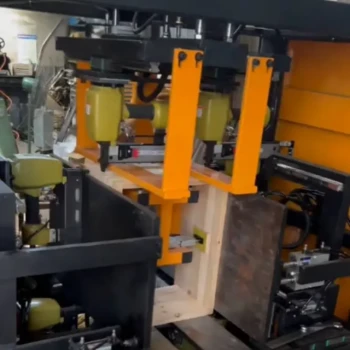
Standardized hive boxes and nest components are the bedrock of a sustainable Klanceng beekeeping operation because they directly mitigate the two highest risks in early-stage ventures: colony loss due to overcrowding and bee mortality during handling. By ensuring proper space allocation and facilitating safe colony division, these components transform a volatile activity into a stable, scalable business foundation.
Core Insight: The initial investment in standardization is not merely an equipment cost but a risk management strategy. It prevents colony absconding by effectively managing density and ensures that essential operations like splitting and inspection do not compromise the physical integrity of the hive.
Securing Colony Stability
The primary threat to a new beekeeping investment is the loss of the biological asset—the bees themselves.
Preventing Overcrowding
Klanceng (stingless bee) colonies are highly sensitive to space constraints. Standardized components ensure proper allocation of space within the colony.
Without this controlled volume, colonies often become overcrowded as they grow. This physical pressure is a primary trigger for absconding, where the entire colony abandons the hive, resulting in a total loss of the investment.
Creating a Controlled Habitat
Standardized boxes replace the unpredictability of wild habitats with a controlled microclimate.
This protection shields the colony from extreme environmental fluctuations. It provides the stability required for the colony to establish itself and grow, rather than expending energy solely on survival.
Reducing Operational Risk
Handling bees always carries a risk of injury to the colony. Standardized equipment minimizes this danger during critical maintenance tasks.
Safer Colony Splitting
To expand an operation, beekeepers must split colonies. Standardized designs allow beekeepers to separate and move colonies safely.
By using modular components, the physical trauma to the nest structure is minimized. This significantly reduces bee mortality during the splitting process, preserving the workforce required to rebuild and forage.
Non-Destructive Management
Traditional or non-standard methods often require breaking part of the nest to inspect it. Standardized hives—often featuring movable frames or modular sections—enable non-destructive inspection.
This facilitates easier disease control and health monitoring. You can assess the colony's status without destroying the hive structure, ensuring the bees remain productive rather than stressed.
Operational Scalability
While the primary reference emphasizes stability and safety, standardization also unlocks future growth potential.
Component Interchangeability
In a standardized system, parts from one hive fit another. This interchangeability reduces long-term infrastructure maintenance costs.
If a specific component fails, it can be swapped immediately without rebuilding the entire hive. This speed is essential for mechanized operations and large-scale management.
Facilitating Logistics
Uniform specifications enable large-scale transportation. Whether moving hives for agricultural pollination services or reorganizing the apiary, uniform boxes stack and transport efficiently.
Understanding the Trade-offs
While standardization is critical, it introduces specific challenges that investors must recognize to ensure realistic planning.
Higher Upfront Capital Expenditure (CapEx)
Standardized equipment requires a significantly higher initial financial outlay compared to traditional logs or makeshift boxes. This extends the break-even period for the operation, requiring a longer-term financial view.
Rigidity vs. Natural Behavior
Bees build nests organically and irregularly. Forcing them into rigid, standardized geometries requires precise management. If the standardized design does not perfectly match the local species' biology, it can hinder rather than help productivity.
Making the Right Choice for Your Goal
The decision to invest in standardized components should be guided by your specific operational objectives.
- If your primary focus is Colony Survival: Prioritize hive designs that offer precise volume control to prevent overcrowding and subsequent absconding.
- If your primary focus is Rapid Expansion: Select modular systems that emphasize easy separation to minimize mortality during frequent colony splitting.
- If your primary focus is Commercial Efficiency: Invest in fully interchangeable components that allow for mechanized handling and streamlined maintenance.
Ultimately, standardized components act as an insurance policy for your capital, protecting your livestock from physical damage and environmental stress while preparing your operation for scale.
Summary Table:
| Feature | Impact on Klanceng Beekeeping | Strategic Benefit |
|---|---|---|
| Space Allocation | Prevents overcrowding and colony absconding | Protects biological assets |
| Modular Design | Enables safer colony splitting with low mortality | Facilitates rapid expansion |
| Interchangeability | Parts fit across all hive units | Reduces long-term maintenance costs |
| Non-Destructive Access | Allows inspections without nest damage | Improves disease control & monitoring |
| Uniform Geometries | Simplifies stacking and large-scale transport | Enhances logistical efficiency |
Maximize Your Apiary’s Potential with HONESTBEE
Standardization is the foundation of a profitable beekeeping enterprise. At HONESTBEE, we empower commercial apiaries and distributors by providing high-quality, standardized beekeeping tools and machinery designed for scale.
From precision hive-making equipment to automated honey-filling machines and a complete range of industrial consumables, we supply the infrastructure you need to eliminate operational volatility. Whether you are looking to stabilize a new Klanceng venture or streamline a massive honey production facility, our wholesale solutions deliver the reliability your business demands.
Ready to scale your beekeeping operation? Contact us today to explore our comprehensive hardware portfolio.
References
- Mufid Arsyad, Nanang Apriyanto. Pemberdayaan Masyarakat melalui Pelatihan Budidaya Lebah Klanceng untuk Ketahanan Ekonomi dan Konservasi Lingkungan. DOI: 10.71365/ejpm.v3i2.90
This article is also based on technical information from HonestBee Knowledge Base .
Related Products
- 5 Frame Wooden Nuc Box for Beekeeping
- 4 Frame Plastic Nuc Boxes for Beekeeping Bee Nuc Box
- Langstroth Honey Bee Box Hive Boxes for Different Depths
- Portable Bee Mating Hive Boxes Mini Mating Nucs 8 Frames for Queen Rearing
- Australian Langstroth Beehive Boxes for Beekeeping Wholesales
People Also Ask
- What are the options for adding frames to a nuc after taking two frames from the parent colony?
- What frames should be moved into the queenless hive when requeening with a nuc? Ensure a Successful Queen Introduction
- What roles do five-frame nucleus boxes and ten-frame Langstroth hive boxes play in colony standardization?
- What is the primary function of five-frame nuclei boxes? Master Early Colony Establishment for Stronger Hives
- What is the typical composition of frames in a nuc? A 5-Frame Blueprint for a Thriving Hive