The adoption of transitional and modern frame hives is fundamentally a strategy for stabilizing the physical environment of the honeybee colony. These hive types feature scientific structural designs—such as the Kenya Top Bar hive—that provide superior shielding against rain, direct sunlight, and extreme temperatures, thereby drastically reducing the environmental stress that leads to colony absconding.
Core Takeaway Traditional beekeeping often leaves colonies vulnerable to the elements, leading to high rates of abandonment. Transitional and modern hives mitigate this risk by providing a stable hardware foundation that protects the bees from physical stress while enabling the precise, scientific management required for commercial scalability.
Reducing Environmental Volatility
Superior Physical Protection
The primary risk in traditional apiculture is the colony's exposure to harsh weather. Transitional and modern hives are engineered to act as a robust barrier against rain and direct sunlight.
Temperature Regulation
Extreme temperature fluctuations are a major stressor for bees. The structural design of these modern hives offers better insulation and ventilation control compared to traditional log or woven hives.
Prevention of Absconding
When a colony feels threatened by environmental stress, they often "abscond," or abandon the hive entirely. By maintaining a stable internal climate, these hives significantly lower absconding rates, securing the beekeeper's core asset.
Enhancing Management and Control
The Advantage of Mobility
Unlike fixed-comb traditional hives, modern frame hives utilize a standardized structure that allows for the mobility of honeycombs. This technical feature is critical for converting beekeeping from a passive activity into an active management science.
Precision Health Monitoring
The ability to move frames enables beekeepers to inspect the health of the brood and the queen. This allows for early detection of disease or issues, facilitating scientific management practices that are impossible with closed, traditional systems.
Safer Extraction Processes
Harvesting honey from traditional hives can be destructive and traumatic for the bees, leading to colony losses. Modern designs allow for extraction that preserves the colony structure, ensuring the bees survive the harvest to produce again.
Economic Risk Mitigation
Increasing Yield Potential
Risk management is also about securing revenue. By optimizing conditions, modern devices can increase average annual honey production from approximately 5 kg to 15–30 kg per hive.
Scalability and Quality
The standardized nature of these hives serves as the fundamental hardware for large-scale operations. They facilitate more efficient commercialized management and ensure higher honey quality, reducing the risk of product rejection in the market.
Understanding the Trade-offs
Higher Complexity
Moving from a passive traditional system to a managed modern system requires a shift in mindset. Beekeepers must possess greater technical knowledge to utilize moveable frames and conduct inspections effectively.
Evaluation of Input Costs
While the long-term stability is higher, the initial setup requires specific hardware. The "transitional" hive (like the Kenya Top Bar) often serves as a middle ground, offering structural benefits without the full cost or complexity of a fully modern frame system.
Making the Right Choice for Your Goal
To determine which system aligns with your risk profile, consider your specific operational objectives:
- If your primary focus is Colony Stability: Prioritize hives with superior insulation and weather protection to minimize environmental stress and prevent absconding.
- If your primary focus is Commercial Yield: Adopt modern moveable frame hives to maximize inspection capabilities and target the 15–30 kg production range.
- If your primary focus is Low-Cost Modernization: Utilize transitional hives like the Kenya Top Bar to gain structural protection benefits without the complexity of full frame systems.
Investing in the right hive architecture is the single most effective step toward transforming apiculture from a game of chance into a predictable science.
Summary Table:
| Hive Feature | Traditional Hives | Transitional Hives (KTB) | Modern Frame Hives |
|---|---|---|---|
| Protection | Low (Vulnerable to weather) | High (Shielded design) | High (Insulated/Ventilated) |
| Comb Type | Fixed (Destructive harvest) | Moveable Bars (Low tech) | Moveable Frames (High tech) |
| Yield (Annual) | ~5 kg | 10 - 15 kg | 15 - 30 kg |
| Absconding Risk | High | Low | Low |
| Management | Passive | Semi-active | Scientific / Commercial |
Secure Your Apiary's Future with HONESTBEE
Transitioning from traditional methods to scientific beekeeping is the key to minimizing risk and maximizing commercial success. At HONESTBEE, we support commercial apiaries and distributors by providing the robust hardware needed for this transformation.
From modern moveable frame hives that prevent colony absconding to high-efficiency honey-filling and hive-making machinery, our comprehensive wholesale offering ensures your operation is built on a foundation of quality and stability. We supply the full spectrum of beekeeping tools and essential industry consumables designed for scalability.
Ready to elevate your production from 5kg to 30kg per hive?
Contact HONESTBEE today to discover how our professional-grade equipment and specialized hardware can optimize your beekeeping business.
References
- Asrat Diriba, Dereje Andualem Gellaw. Causes of Honey Bee Colony Losses in South Ethiopia. DOI: 10.2139/ssrn.4329880
This article is also based on technical information from HonestBee Knowledge Base .
Related Products
- Wooden Bee Hive Frames for Beekeeping and Wholesale
- Plastic Bee Frame Beekeeping Hive Frames for Wholesale
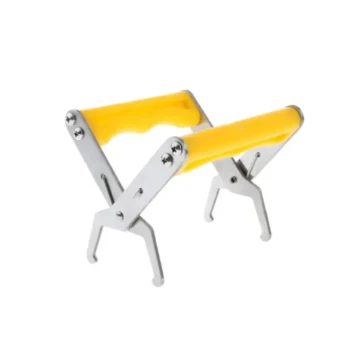
- Ergonomic High Visibility Plastic Frame Grip Handles
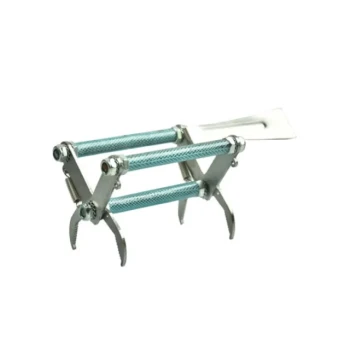
- Professional 3-Bar Frame Grip with Integrated Hive Tool
- Professional Galvanized Steel Frame Rest for Beehives
People Also Ask
- How do wooden and plastic hive frames compare in terms of durability? Wood vs. Plastic Longevity & Repairability
- How does balancing the number of frames impact hive productivity? Optimize Your Apiary's Biological Output
- What are the main considerations when choosing between wooden and plastic bee hive frames? Optimize Your Apiary's Efficiency
- How should beehive frames be maintained to prolong their lifespan? 5 Pro Tips for Durable Beekeeping Equipment
- Can I reuse old beehive frames? Save Money and Boost Hive Productivity