Vacuum drying is the standard for preparing propolis concentrates because it decouples solvent removal from high heat. By reducing the system pressure, manufacturers can boil off ethanol solvents at significantly lower temperatures. This process protects the heat-sensitive functional components of propolis from degradation, ensuring the final powder remains biologically active and chemically stable.
Core Takeaway Propolis is biologically complex and highly sensitive to both heat and oxygen. Vacuum drying allows for solvent evaporation without reaching destructive temperatures, thereby preserving the structural integrity of active ingredients like polyphenols and preventing the oxidation that occurs in standard atmospheric drying.
The Physics of Low-Temperature Preservation
Lowering the Boiling Point
The primary mechanism of vacuum drying is the manipulation of atmospheric pressure. By lowering the pressure within the drying vessel, the boiling point of solvents—typically ethanol in propolis extraction—is drastically reduced.
Avoiding Thermal Destruction
Standard drying methods require high temperatures to evaporate solvents, which can "cook" the extract. Vacuum equipment facilitates evaporation at temperatures cool enough to leave the delicate chemical structure of the propolis concentrate intact.
Protecting Bioactive Integrity
Safeguarding Polyphenols
The therapeutic value of propolis relies heavily on its polyphenol content. These compounds are heat-sensitive and can lose their efficacy if exposed to the temperatures required for standard atmospheric evaporation. Vacuum processing ensures these key markers remain potent in the final dry powder.
Preventing Oxidation
Beyond heat, exposure to air is a significant threat to propolis quality. Vacuum ovens operate in an oxygen-deprived environment, which shields oxygen-sensitive components like sesquiterpenes and diterpenoids. This prevents the extract from darkening in color or undergoing unwanted chemical transformations due to oxidation.
Operational Considerations and Trade-offs
Equipment Complexity and Cost
While vacuum drying yields a superior product, it requires specialized, sealed equipment capable of maintaining consistent pressure. This increases the initial capital investment and maintenance complexity compared to simple ambient air drying.
Processing Time for Viscous Resins
Propolis concentrates can become highly viscous as the solvent evaporates. Completely removing trace solvents from these sticky resins inside a vacuum oven can be a time-consuming process compared to high-heat flash drying methods, requiring careful monitoring to ensure total dryness.
Optimizing Your Propolis Processing Strategy
To ensure your production line yields the highest quality concentrate, align your processing parameters with your specific end goals.
- If your primary focus is biological potency: Maintain the lowest possible pressure to minimize the temperature required for evaporation, prioritizing the protection of heat-sensitive polyphenols.
- If your primary focus is visual quality and shelf-life: Ensure the system is strictly sealed to eliminate oxygen, preventing the darkening of the extract and the oxidation of sesquiterpenes.
By substituting pressure control for thermal intensity, you ensure the delivery of a scientifically robust and commercially viable propolis product.
Summary Table:
| Feature | Vacuum Drying | Standard Atmospheric Drying |
|---|---|---|
| Boiling Point | Reduced (Low temperature) | High (Heat intensive) |
| Oxygen Exposure | Minimal (Oxygen-deprived) | High (Risk of oxidation) |
| Active Compounds | Preserved (Polyphenols/Terpenoids) | Degraded/Denatured |
| Product Quality | High potency, stable color | Lower efficacy, darker color |
| Primary Benefit | Thermal preservation | Lower equipment cost |
Elevate Your Bee Product Processing with HONESTBEE
Maintaining the biological integrity of propolis requires more than just standard tools—it requires precision engineering. HONESTBEE empowers commercial apiaries and global distributors with a full spectrum of professional beekeeping machinery, from specialized extraction units to advanced honey-filling systems.
Whether you are scaling up production or seeking high-quality consumables for your beekeeping enterprise, our expertise ensures your products remain potent and commercially competitive. Contact HONESTBEE today to discover how our comprehensive wholesale solutions and specialized hardware can optimize your facility's efficiency and product quality.
References
- Ahmed Sabri Ayad, Wahida Loucif‐Ayad. Assessment of Efficacy of Algerian Propolis against the Parasitic Mite Varroa destructor and Safety for Honey Bees by Spray Treatment. DOI: 10.3390/insects15010075
This article is also based on technical information from HonestBee Knowledge Base .
Related Products
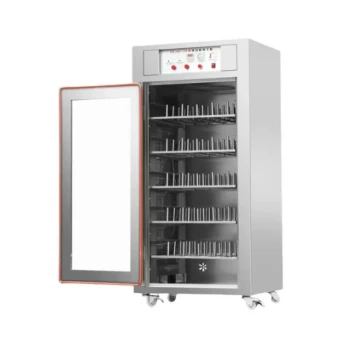
- 0.5T Capacity Honey Dehumidifier Dryer with Vacuum Heating and Thickening Filtering Machine
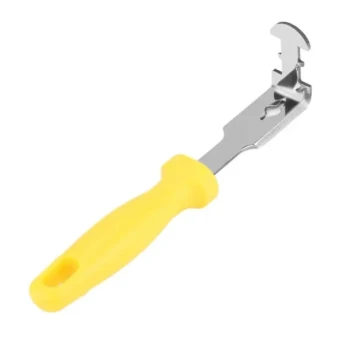
- Heavy Duty Stainless Steel Frame Cleaner with Plastic Handle
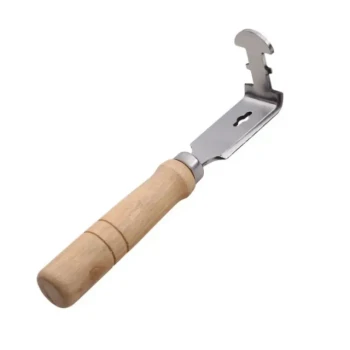
- Professional Stainless Steel Frame Cleaner with Ergonomic Wood Handle
- 8 Frame and 10 Frame Propolis Trap Collector Screen for Propolis Collection
- Honey Concentrating Vacuum Heating Thickening Machine Dehumidifier for Honey
People Also Ask
- What is the primary function of professional dehumidification equipment in honey processing? Stability & Quality
- How to dry up honey? The Safe Guide to Stabilizing Honey and Preventing Fermentation
- What is the process for using a dehumidifier to lower honey's moisture content? Expert Drying Techniques
- How to decrease moisture in honey? Prevent Fermentation and Ensure Long-Term Quality
- How to remove humidity from honey? Protect Your Harvest from Fermentation