Sealed plastic or stainless steel containers are mandatory for honey storage and transport because they strictly control the product's interaction with the environment, specifically regarding moisture absorption and chemical reactivity. These materials provide a chemically inert, airtight barrier that preserves the honey's stability, safety, and physicochemical properties.
The Core Insight Honey is a dynamic substance that is both hygroscopic (water-absorbing) and acidic. The use of sealed, non-reactive containers is the only effective method to prevent the dual threats of fermentation caused by atmospheric moisture and contamination caused by corrosion of the container walls.
The Critical Role of Moisture Control
Combating Hygroscopicity
Honey is naturally hygroscopic, meaning it actively attracts and holds water molecules from the surrounding environment. If left exposed, honey will rapidly absorb atmospheric moisture.
Preventing Spoilage and Fermentation
The primary danger of moisture absorption is biological instability. As water content rises, honey becomes susceptible to fermentation and spoilage. Sealed containers are essential to lock out ambient air and maintain the specific moisture balance required for long-term preservation.
The Necessity of a Hermetic Seal
Simple lids are often insufficient; screw-cap seals or hermetic closures are required to create a physical barrier against environmental humidity. This isolation is crucial not only for preventing spoilage but also for retaining volatile flavor compounds, ensuring the honey maintains its original taste and aroma.
Chemical Stability and Material Inertness
Managing Natural Acidity
Honey is a weakly acidic substance. This acidity creates a risk of chemical reaction if the honey comes into contact with reactive metals, such as iron or low-grade alloys.
Preventing Corrosion and Contamination
Stainless steel and food-grade plastic are chemically inert, meaning they do not react with acid. Using these materials prevents the container from corroding, which would otherwise leach heavy metals or other contaminants into the honey, altering its pH value and mineral content.
Avoiding Migration of Harmful Substances
Beyond metal corrosion, improper containers (like recycled plastics) can allow chemical residues to migrate into the food. Food-grade containers ensure that no foreign substances, odors, or plasticizers compromise the purity or safety of the honey.
Understanding the Trade-offs
Stainless Steel: Durability vs. Cost
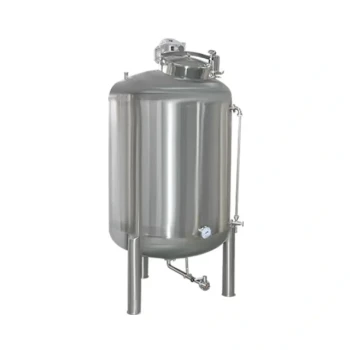
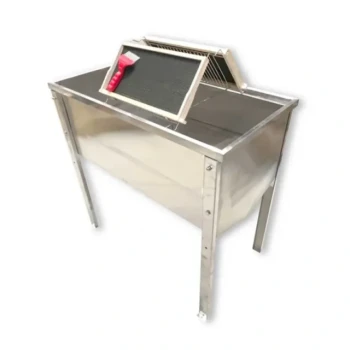
Stainless steel is the gold standard for processing and long-term bulk storage due to its superior corrosion resistance and ease of cleaning.
- Pro: It withstands rigorous sanitation protocols (essential for HACCP compliance) and is virtually indestructible.
- Con: It is significantly heavier and more expensive than plastic, making it less ideal for small-scale distribution or lightweight transport.
Plastic: Versatility vs. Quality Risk
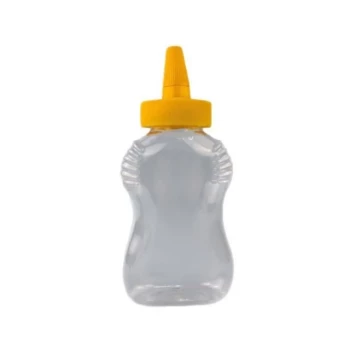
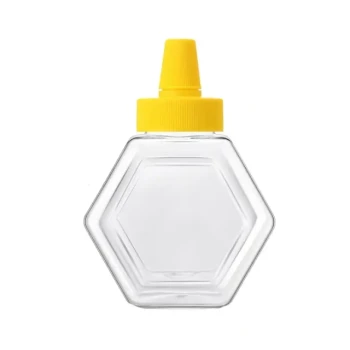
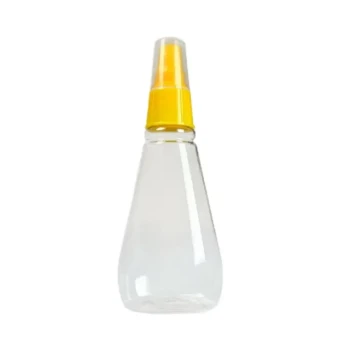
Plastic containers offer a lightweight, cost-effective solution with excellent sealing capabilities.
- Pro: ideal for transport, lab sampling, and preventing breakage.
- Con: You must strictly ensure the plastic is food-grade. Non-specialized plastics can introduce "off" odors or fail to provide the necessary moisture barrier over long periods.
Making the Right Choice for Your Goal
Selecting the correct vessel depends on whether your priority is industrial processing or sample preservation.
- If your primary focus is Industrial Processing and Hygiene: Prioritize stainless steel equipment, as its corrosion resistance and ease of disinfection meet strict international safety standards like HACCP.
- If your primary focus is Transport or Laboratory Analysis: Use sealed food-grade plastic containers, which provide a lightweight, hermetic barrier to protect sample integrity and prevent moisture changes during transit.
By aligning the container material with the chemical nature of honey, you ensure the product remains safe, stable, and compliant from the hive to the consumer.
Summary Table:
| Feature | Stainless Steel Containers | Food-Grade Plastic Containers |
|---|---|---|
| Primary Benefit | Maximum durability & hygiene | Lightweight & cost-effective |
| Chemical Profile | Completely inert & acid-resistant | Inert (if food-grade) |
| Best Use Case | Bulk storage & industrial processing | Transport & lab sampling |
| Moisture Barrier | Excellent (Hermetic) | High (Screw-cap/Sealed) |
| Cleaning | Easy to sanitize (HACCP compliant) | Reusable but requires careful inspection |
Elevate Your Beekeeping Operation with HONESTBEE
Preserving the quality of your honey starts with the right equipment. At HONESTBEE, we specialize in supporting commercial apiaries and distributors by providing professional-grade solutions that meet global safety standards.
Why partner with us?
- Comprehensive Range: From industrial honey-filling machines to specialized stainless steel processing hardware.
- Quality Assurance: We supply food-grade tools and essential consumables designed to prevent contamination and spoilage.
- Scalable Wholesale: Whether you are building a hive-making facility or expanding your honey distribution network, we offer the machinery and expertise to help you grow.
Ensure your honey remains stable, safe, and premium from hive to shelf. Contact HONESTBEE today to discuss our wholesale offerings and customized equipment solutions.
References
- Genet Gebremedhin, Ewonetu Kebede Senbeta. Physiochemical characteristics of honey obtained from traditional and modern hive production systems in Tigray region, northern Ethiopia. DOI: 10.4314/mejs.v5i1.85335
This article is also based on technical information from HonestBee Knowledge Base .
Related Products
- Stainless Steel Honey Storage Tank with Lid for Honey
- Stainless Steel Honey Storage and Settling Tank with Double Strainer
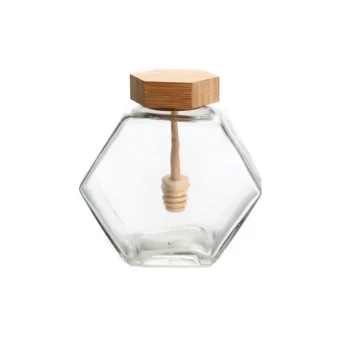
- Hexagonal Glass Honey Jar with Wooden Lid Integrated Dipper Elegant Functional Storage
- Professional Honey Storage Tank with Agitation System
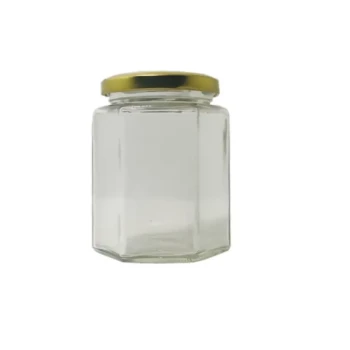
- Hexagonal Glass Honey Jars with Metal Lug Caps Elegant Versatile Packaging
People Also Ask
- What economic role do honey storage tanks play? Boost Your Revenue Through Strategic Inventory Management
- What roles do industrial honey storage tanks and filtration meshes play in processing? Ensure Purity & Consistency
- What is the purpose of a honey storage tank? Streamline Your Honey Processing for Quality & Efficiency
- What are honey storage tanks used for? Essential Features for Quality Preservation and Profit
- How do large honey storage tanks and gravity fall filling systems improve honey packaging efficiency and safety?