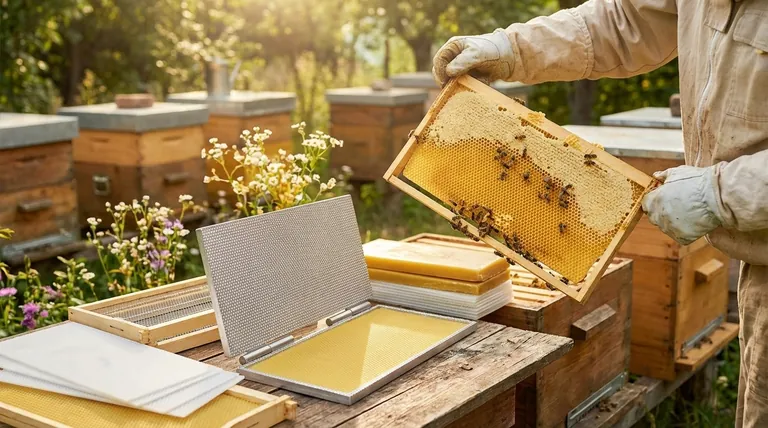
The foundation of a beehive isn’t just a structural component—it’s the blueprint for colony success. Whether you’re managing urban hives or producing organic honey, selecting the right foundation impacts comb stability, bee behavior, and long-term productivity. This guide breaks down material choices, installation timing, and real-world applications to align with your beekeeping goals.
The Role of Foundation in Modern Beekeeping
How Foundation Shapes Comb Construction
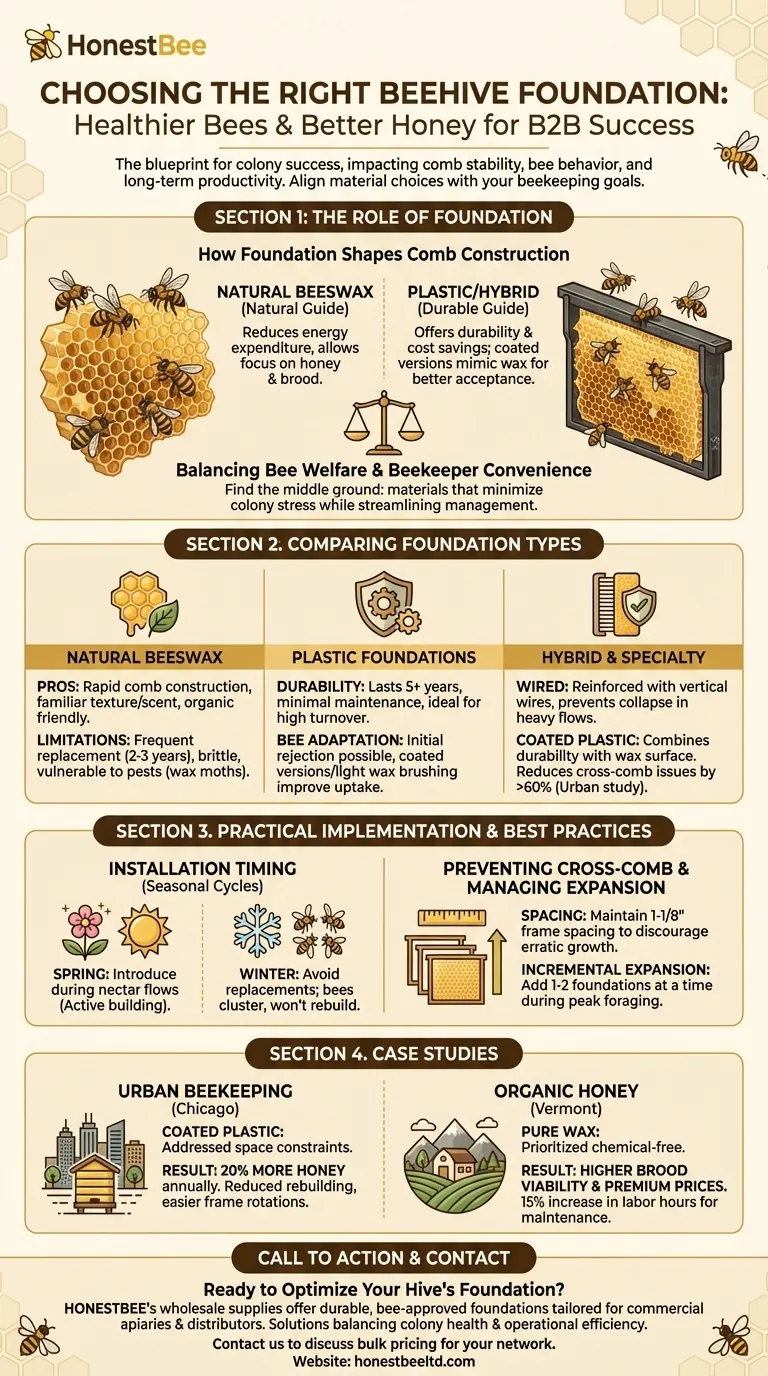
Bees naturally build comb from wax, but foundations guide this process. Research shows that pre-formed foundations reduce energy expenditure for worker bees, allowing them to focus on honey production and brood rearing. However, the material you choose—beeswax, plastic, or hybrid—affects how readily bees accept and build upon it.
Balancing Bee Welfare and Beekeeper Convenience
While bees prefer pure beeswax for its natural pheromones, plastic foundations offer durability and cost savings. The key is finding a middle ground: materials that minimize stress on the colony while streamlining hive management. For example, some commercial apiaries use coated plastic foundations to mimic wax’s texture, improving bee acceptance.
Comparing Foundation Types: Materials and Use Cases
Natural Beeswax Foundations: Pros and Limitations
-
Pros:
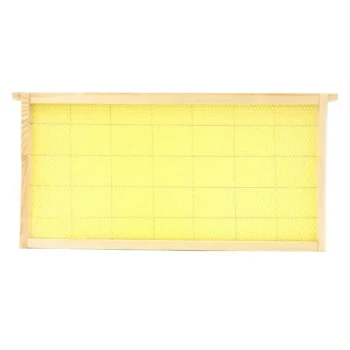
- Encourages rapid comb construction due to familiar texture and scent.
- Preferred by organic beekeepers for chemical-free honey production.
-
Limitations:
- Requires frequent replacement (every 2–3 years) as wax becomes brittle.
- Vulnerable to pests like wax moths if not properly maintained.
Plastic Foundations: Durability vs. Bee Acceptance
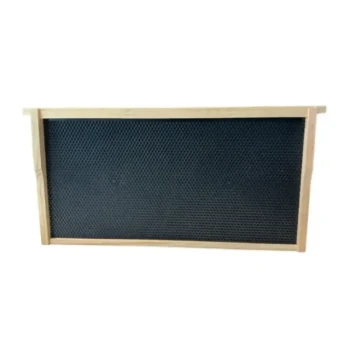
- Durability: Lasts 5+ years with minimal maintenance; ideal for high-turnover apiaries.
- Bee Adaptation: Colonies may initially reject plastic, but coated versions or light wax brushing can improve uptake. Studies note bees adapt within weeks when plastic mimics wax cell size.
Hybrid and Specialty Foundations (Wired, Coated)
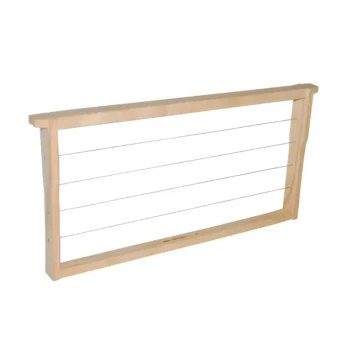
- Wired Foundations: Reinforced with vertical wires to prevent comb collapse in heavy honey flows.
- Coated Plastic: Combines durability with a wax-like surface. A study of urban apiaries found coated foundations reduced cross-comb issues by over 60% compared to bare plastic.
Practical Implementation and Best Practices
Installing Foundation: Alignment with Seasonal Cycles
- Spring: Introduce new foundations during nectar flows when bees are most active in comb building.
- Winter: Avoid replacements; bees cluster tightly and won’t rebuild efficiently.
Preventing Cross-Comb and Managing Hive Expansion
- Spacing: Maintain 1–1/8" frame spacing to discourage erratic comb growth.
- Incremental Expansion: Add 1–2 foundations at a time during peak foraging to prevent overwhelming the colony.
Case Studies: Foundation Choices in Real-World Apiaries
Urban Beekeeping: Maximizing Space with Plastic
A rooftop apiary in Chicago switched to coated plastic foundations to address space constraints. The result? Hives produced 20% more honey annually due to reduced comb rebuilding and easier frame rotations in tight quarters.
Organic Honey Production: Prioritizing Pure Wax
A Vermont beekeeper using beeswax foundations reported higher brood viability and premium honey prices. However, they noted a 15% increase in labor hours for wax maintenance—a trade-off for chemical-free certification.
Ready to Optimize Your Hive’s Foundation?
HONESTBEE’s wholesale beekeeping supplies offer durable, bee-approved foundations tailored for commercial apiaries and distributors. From coated plastic for urban hives to organic beeswax for premium honey, our solutions balance colony health and operational efficiency. [Contact us] to discuss bulk pricing for your beekeeping network.
Data-driven choices lead to thriving hives. What foundation challenges have you faced in your apiary?
Visual Guide
Related Products
- Beeswax Foundation Sheets Beehive Foundation for Wholesale
- HONESTBEE Wired and Assembled Wooden Bee Frames Foundation for a Thriving Hive
- Assembled Wooden Bee Frames with Plastic Foundation for Durability and Convenience by HONESTBEE
- Plastic Bee Frame Beekeeping Hive Frames for Wholesale
- Food Grade Plastic bee Foundation for Bee Frames
Related Articles
- How to Choose and Use Budget-Friendly Tools for Durable Beeswax Foundations
- How Beeswax Foundations Enhance Colony Health and Beekeeping Efficiency
- Stop Blaming Your Rollers: The Real Source of Flawed Beeswax Foundation
- From Liquid to Lattice: Mastering Thermal Control in Beeswax Foundation Stacking
- Why Your Beeswax Foundation Fails: A Guide to Preventing Costly Warping and Breakage