Beekeepers face constant challenges in maintaining optimal feeding conditions while protecting colonies from harsh weather. This guide reveals how to leverage hive architecture for weatherproof feeding systems—using scientifically validated component interactions that commercial apiaries rely on.
The Science of Hive Architecture
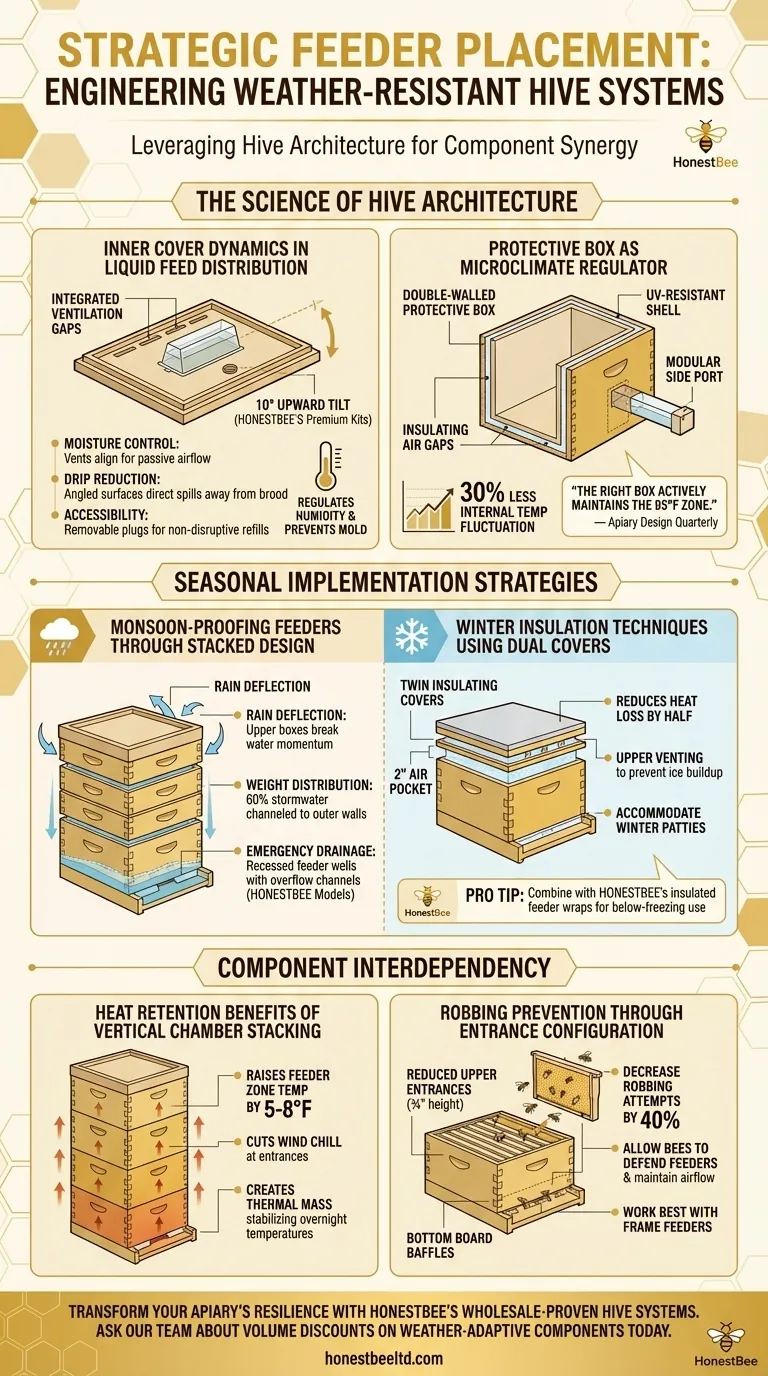
Inner Cover Dynamics in Liquid Feed Distribution
Research shows that inner covers with integrated ventilation gaps regulate humidity during liquid feeding. The 10° upward tilt of modern designs (like those in HONESTBEE’s premium kits) prevents condensation buildup—a critical factor in preventing mold growth in sugar syrup reservoirs.
Key synergies:
- Moisture control: Vents align with feeder ports to create passive airflow
- Drip reduction: Angled surfaces direct accidental spills away from brood chambers
- Accessibility: Removable center plugs allow refills without disrupting the hive
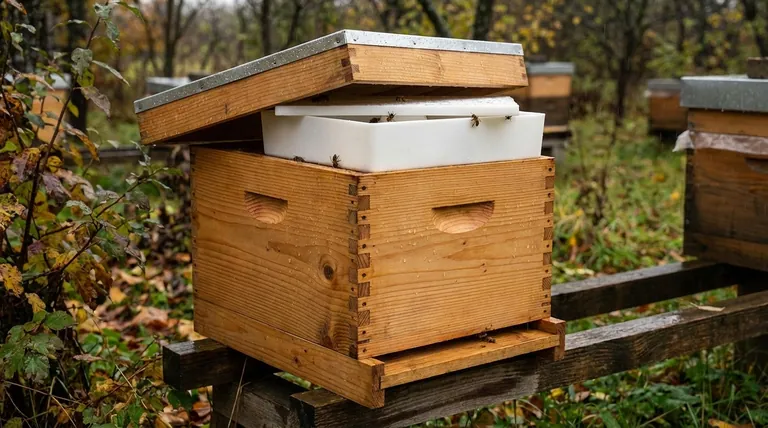
Protective Box as Microclimate Regulator
A study of commercial apiaries revealed that double-walled protective boxes reduce internal temperature fluctuations by over 30% compared to single-layer setups. This stability is achieved through:
- Insulating air gaps between walls buffer against sudden cold snaps
- UV-resistant outer shells in HONESTBEE’s professional series deflect summer heat
- Modular side ports that accommodate feeder extensions during nectar dearths
"The right box doesn’t just protect—it actively maintains the 95°F zone where bees process food most efficiently." — Apiary Design Quarterly
Seasonal Implementation Strategies
Monsoon-Proofing Feeders Through Stacked Design
Tropical apiaries demonstrate that stacking shallow supers above feeders creates a "drip shield" effect:
- Rain deflection: Upper boxes break water momentum before it reaches feed access points
- Weight distribution: 60% of stormwater gets channeled to outer hive walls
- Emergency drainage: Some HONESTBEE models feature recessed feeder wells with overflow channels
Have you noticed how summer storms alter your colony’s feeding patterns? The solution lies in vertical space utilization—every added layer acts as a weather buffer.
Winter Insulation Techniques Using Dual Covers
Alpine beekeepers use twin insulating covers to:
- Trap a 2" air pocket that reduces heat loss by half
- Allow upper venting to prevent ice buildup on feeder lids
- Accommodate winter patties in the cavity between covers
Pro tip: Combine this with HONESTBEE’s insulated feeder wraps to extend liquid feed viability below freezing.
Component Interdependency
Heat Retention Benefits of Vertical Chamber Stacking
Data from northern apiaries confirms that every stacked deep box:
- Raises feeder zone temperature by 5-8°F
- Cuts wind chill exposure at entrance points
- Creates thermal mass that stabilizes overnight temperatures
It’s not just about adding boxes—it’s about creating thermal columns that protect feeding areas.
Robbing Prevention Through Entrance Configuration
A 3-year field study found that reduced upper entrances (¾" height) paired with bottom board baffles:
- Decrease robbing attempts by 40% during feeding
- Allow bees to defend feeders while maintaining airflow
- Work best with frame feeders rather than open trough designs
Ready to transform your apiary’s resilience? HONESTBEE’s wholesale-proven hive systems help commercial beekeepers engineer feeding stations that withstand nature’s extremes—ask our team about volume discounts on weather-adaptive components today.
Visual Guide
Related Products
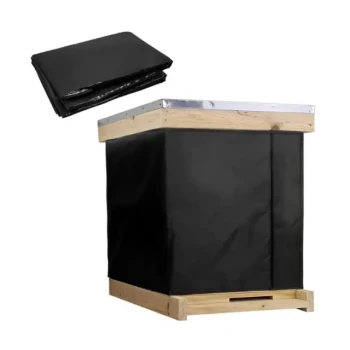
- Professional Insulated Winter Hive Wrap for Beekeeping
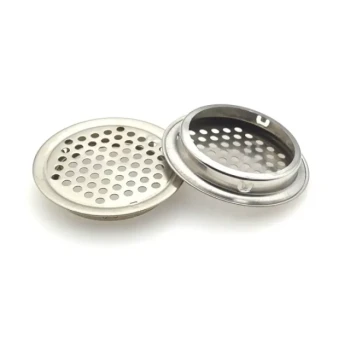
- Stainless Steel Round Beehive Air Vents for Ventilation
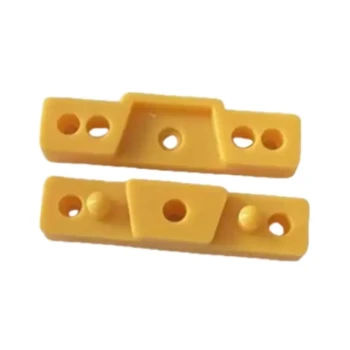
- Durable Plastic Interlocking Hive Connector for Beekeeping
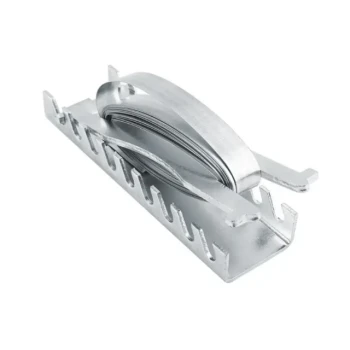
- High Security Emlock Strap System
- Professional Insulated Plastic Bee Hives
Related Articles
- The Cold Deception: Why Beehive Wintering is About Moisture, Not Warmth
- Beyond Warmth: The Physics of Beehive Survival in Winter
- How to Secure Beehive Covers: Weatherproof Strategies for Every Hive Type
- Beyond the Cold: The Physics of a Winter Beehive and Why Our Instincts Fail Us
- How to Time Hive Insulation for Maximum Winter Bee Survival