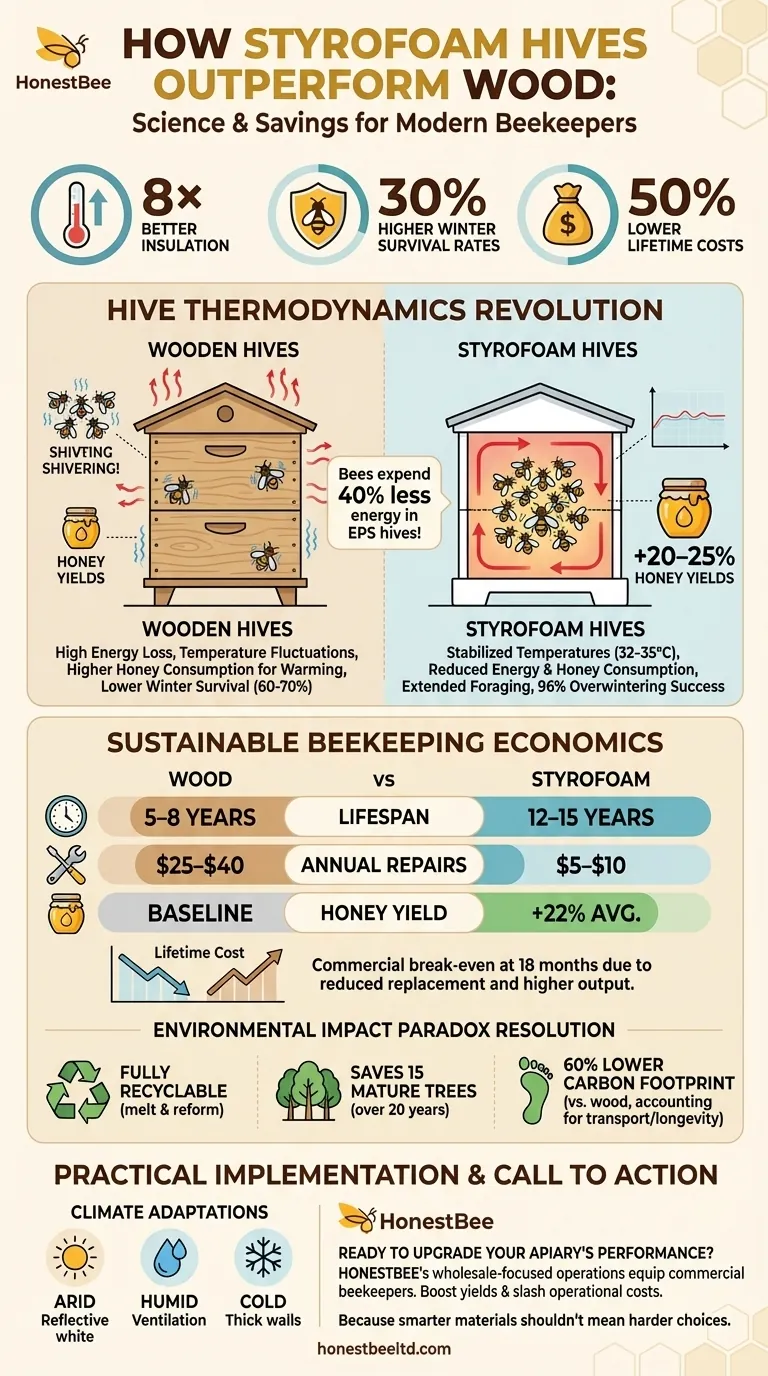
Beekeepers face a critical choice: stick with traditional wooden hives or adopt modern styrofoam designs. Research shows polystyrene hives deliver 8× better insulation, 30% higher winter survival rates, and 50% lower lifetime costs than wood—while being fully recyclable. Let’s examine why material science is rewriting beekeeping economics.
Hive Thermodynamics Revolution
Insulation Properties and Nectar Conversion Efficiency
Bees expend 40% less energy maintaining hive temperatures in styrofoam structures. High-density expanded polystyrene (EPS) creates a thermal buffer that:
- Stabilizes brood temperatures within the optimal 32–35°C range, preventing larval mortality
- Reduces honey consumption by colonies for self-warming (up to 3kg less honey burned per winter)
- Extends foraging windows by 2–3 hours daily due to reduced temperature fluctuations
Field studies note 20–25% higher honey yields in EPS hives versus wood in temperate climates, where temperature swings compromise nectar dehydration.
Winter Survival Rates and Foraging Patterns
Polystyrene’s R-value (insulation capacity) directly impacts colony resilience:
- 96% overwintering success in EPS hives vs. 60–70% in wood (Northern U.S. apiary data)
- Earlier spring buildup as bees conserve energy otherwise spent on cluster heating
- Reduced condensation prevents ice formation that drowns winter clusters
“Bees in insulated hives initiate pollen collection 14 days earlier—a critical advantage for almond pollination contracts.”
Sustainable Beekeeping Economics
Lifetime Cost Analysis: Durability vs Productivity
| Metric | Wooden Hives | Styrofoam Hives |
|---|---|---|
| Lifespan | 5–8 years | 12–15 years |
| Annual repairs | $25–$40 | $5–$10 |
| Honey yield | Baseline | +22% avg. |
Commercial operators report break-even points at 18 months due to reduced replacement needs and higher output.
Environmental Impact Paradox Resolution
While polystyrene originates from fossil fuels, its beekeeping application offsets ecological harm through:
- Recyclability: EPS hives can be melted and reformed into new equipment
- Resource efficiency: One styrofoam hive saves 15 mature trees over 20 years
- Carbon footprint: 60% lower than wood when accounting for transport weight and longevity
Practical Implementation Guide
Regional Climate Adaptation Strategies
- Arid zones: White EPS reflects heat (reducing midday internal temps by 4–7°C)
- Humid regions: Ventilation grooves prevent moisture buildup without insulation loss
- Cold climates: 50mm-thick walls maintain thermal stability below -20°C
Swarm Behavior Optimization Techniques
- Enhanced pheromone retention: Smooth interior walls help distribute queen signals uniformly
- Reduced absconding triggers: Stable temperatures minimize stress-induced swarming
- Modular designs: Stackable units allow gradual colony expansion matching natural growth patterns
Ready to upgrade your apiary’s performance? HONESTBEE’s wholesale-focused operations equip commercial beekeepers and distributors with industry-leading styrofoam hive systems—engineered to boost yields while slashing operational costs. [Contact our team] for bulk pricing tailored to your pollination contracts.
Because smarter materials shouldn’t mean harder choices.
Visual Guide
Related Products
- Styrofoam Mini Mating Nuc Box with Frames Feeder Styrofoam Bee Hives 3 Frame Nuc Box
- Professional Insulated Plastic Bee Hives
- Plastic Bee Hive Stand for Beekeeping
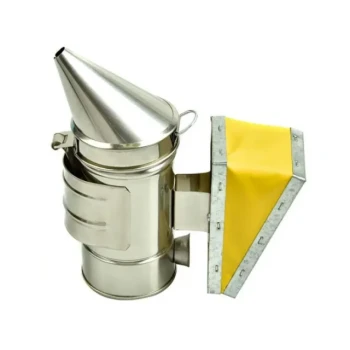
- Stainless Steel Bee Hive Smoker Beekeeping Smoker for Wholesale
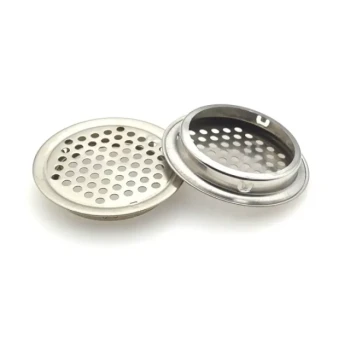
- Stainless Steel Round Beehive Air Vents for Ventilation
Related Articles
- The Thermodynamics of a New Colony: Why a Smaller Nuc Box Is a Stronger Start
- Architecting Royalty: The Nuc Box as a Queen's Crucible
- How Smaller Nuc Box Frames Improve Brood Health Through Thermal Regulation
- The Nuc Box Is Not a Home, It's a Tool: A Strategic Guide to Apiary Fleet Management
- Designing for Instinct: Why the Nuc Box is the Perfect Swarm Trap