Raw honey's market value hinges on its natural enzymes and unprocessed qualities—assets easily lost through improper handling. Modern filtration technology allows beekeepers to meet clarity standards without sacrificing what makes their product unique. Here's how science-backed filtration elevates both quality and profitability.
How Enzymes Define Raw Honey’s Value
The Role of Diastase and Invertase in Honey Authenticity
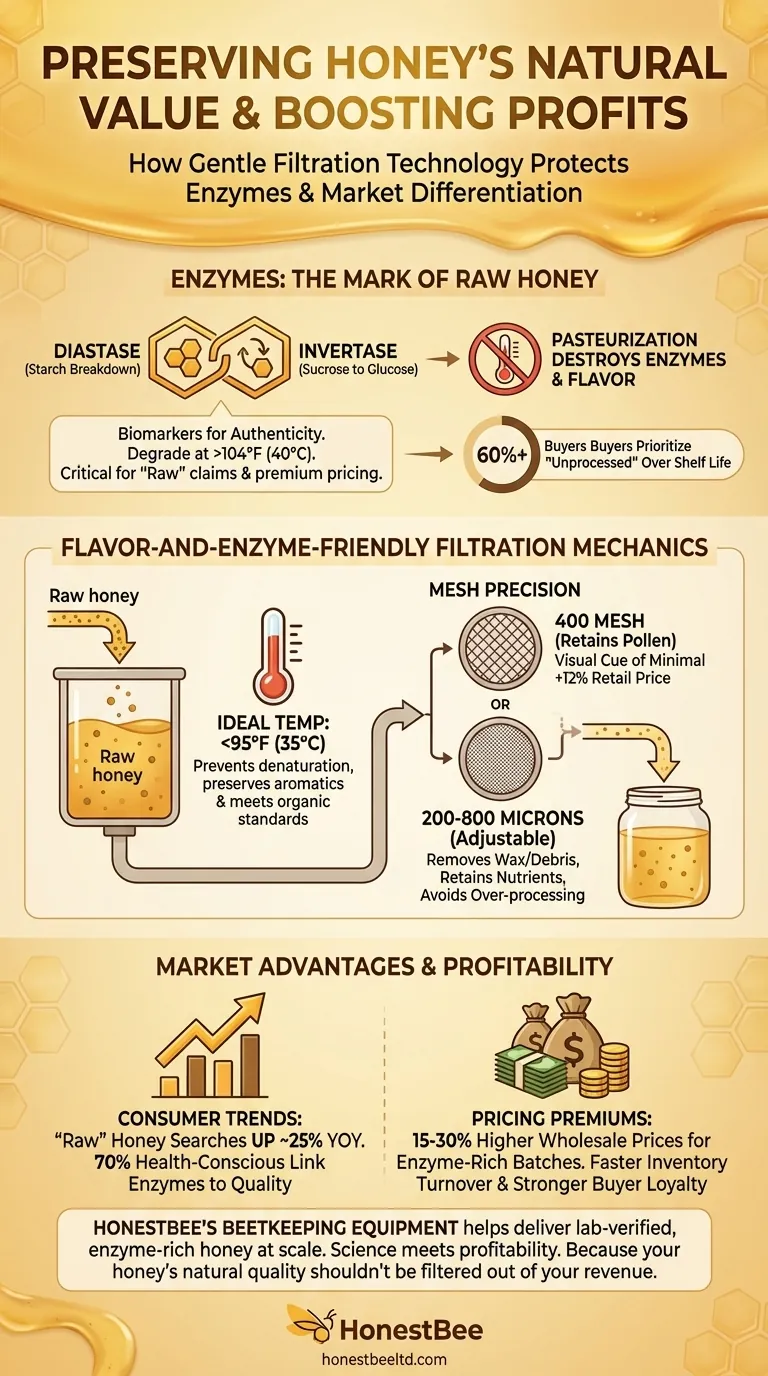
Diastase (which breaks down starch) and invertase (which converts sucrose to glucose) serve as biomarkers for raw honey. Research shows these enzymes degrade at temperatures exceeding 104°F (40°C), making gentle filtration critical.
Why this matters for beekeepers:
- Labs test enzyme levels to verify "raw" claims
- High enzyme retention supports premium pricing
- Heat-sensitive enzymes indicate minimal processing
Why Pasteurization Compromises Market Differentiation
While pasteurization extends shelf life, it destroys enzymes and nuances in flavor. Consumer preference data reveals over 60% of buyers prioritize "unprocessed" labels over shelf stability—a key advantage for beekeepers using enzyme-preserving methods.
Mechanics of Flavor-and-Enzyme-Friendly Filtration
Temperature Thresholds for Enzyme Stability
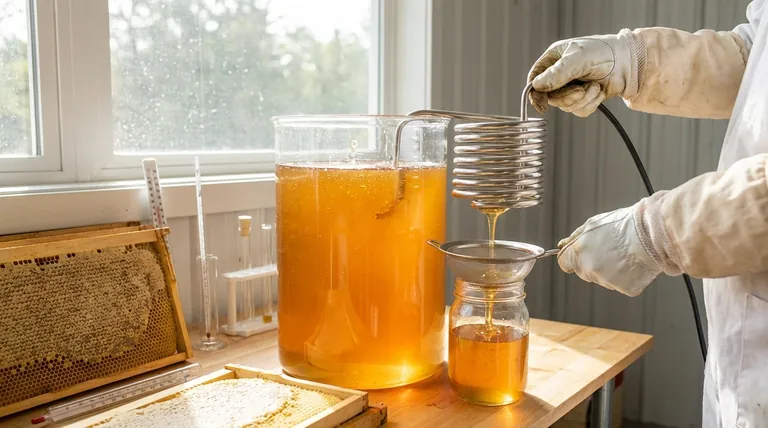
Quality filtration machines maintain honey below 95°F (35°C) during processing. This:
- Prevents enzyme denaturation
- Preserves volatile aromatic compounds
- Aligns with organic certification requirements
Pro Tip: Look for machines with built-in temperature monitoring to avoid accidental overheating during prolonged filtration.
Mesh Precision: Balancing Purity and Nutrient Retention
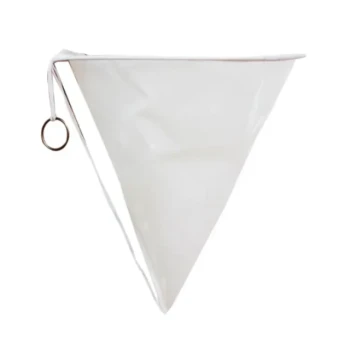
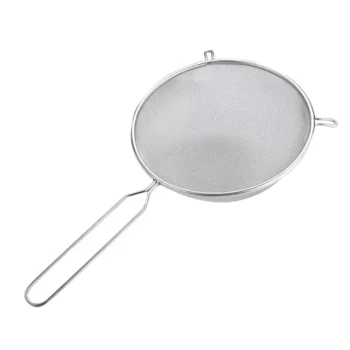
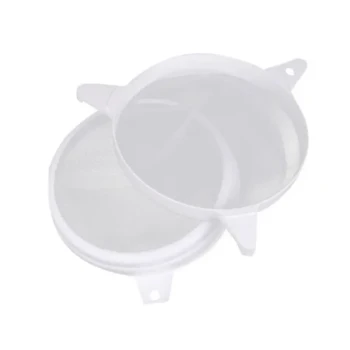
Beekeepers can choose mesh filters (typically 200–800 microns) to:
✔ Remove wax/debris while retaining pollen
✔ Cater to buyer preferences (e.g., cloudy vs. clear honey)
✔ Avoid over-processing that strips honey’s natural character
Case Example: A beekeeper using 400-mesh filters reported 12% higher retail prices for honey retaining visible pollen granules—a visual cue of minimal processing.
Market Advantages of Unpasteurized Honey
Consumer Trends Toward Minimally Processed Foods
Market analyses show:
- "Raw" honey searches grew ~25% year-over-year
- 70% of health-conscious buyers associate enzymes with higher quality
- Retailers increasingly demand lab certificates verifying enzyme levels
Pricing Premiums for Lab-Certified Raw Honey
Beekeepers using cold-filtration methods report:
💰 15–30% higher wholesale prices for enzyme-rich batches
📈 Faster inventory turnover in organic food stores
🛒 Stronger buyer loyalty for authentically raw products
Ready to Upgrade Your Honey’s Market Potential?
HONESTBEE’s beekeeping equipment helps commercial apiaries and distributors deliver lab-verified, enzyme-rich honey at scale. Explore our wholesale-focused filtration solutions—where science meets profitability.
Because your honey’s natural quality shouldn’t be filtered out of your revenue.
Visual Guide
Related Products
- Electric Double Wall Honey Filtering Machine Purifier Equipment for Honey Processing Plant
- Professional Stainless Steel Honey Filtering Machine with Water Bath Heating for Beekeeping
- Honey Concentrating and Filtering Dehumidifier Machine 2T Capacity for Honey
- Automatic Honey Filling and Filtering Machine for Beekeeping Bottle Filling
- 0.5T Capacity Honey Dehumidifier Dryer with Vacuum Heating and Thickening Filtering Machine
Related Articles
- From Chaos to Clarity: The Physics and Psychology of Honey Filtering
- How Professional Honey Filtration Preserves Quality While Meeting Food Safety Standards
- The Sticky Bottleneck: Why Your Honey Filtering Fails and How to Fix It for Good
- Why Your Honey Filtering is Slow and Inconsistent—And How to Fix It for Good
- Optimizing Honey Filtration: How Mesh Sizes Shape Quality and Market Appeal