Beekeepers constantly balance two critical needs: ensuring bees can freely access their hive while keeping pests and predators out. Oblong hole entrance reducers offer a scientifically optimized solution that outperforms traditional round-hole designs. This article explores the engineering principles behind oblong holes and provides actionable strategies for implementing them in your apiary.
The Science of Hive Entrance Design
Engineering Bee Traffic Flow
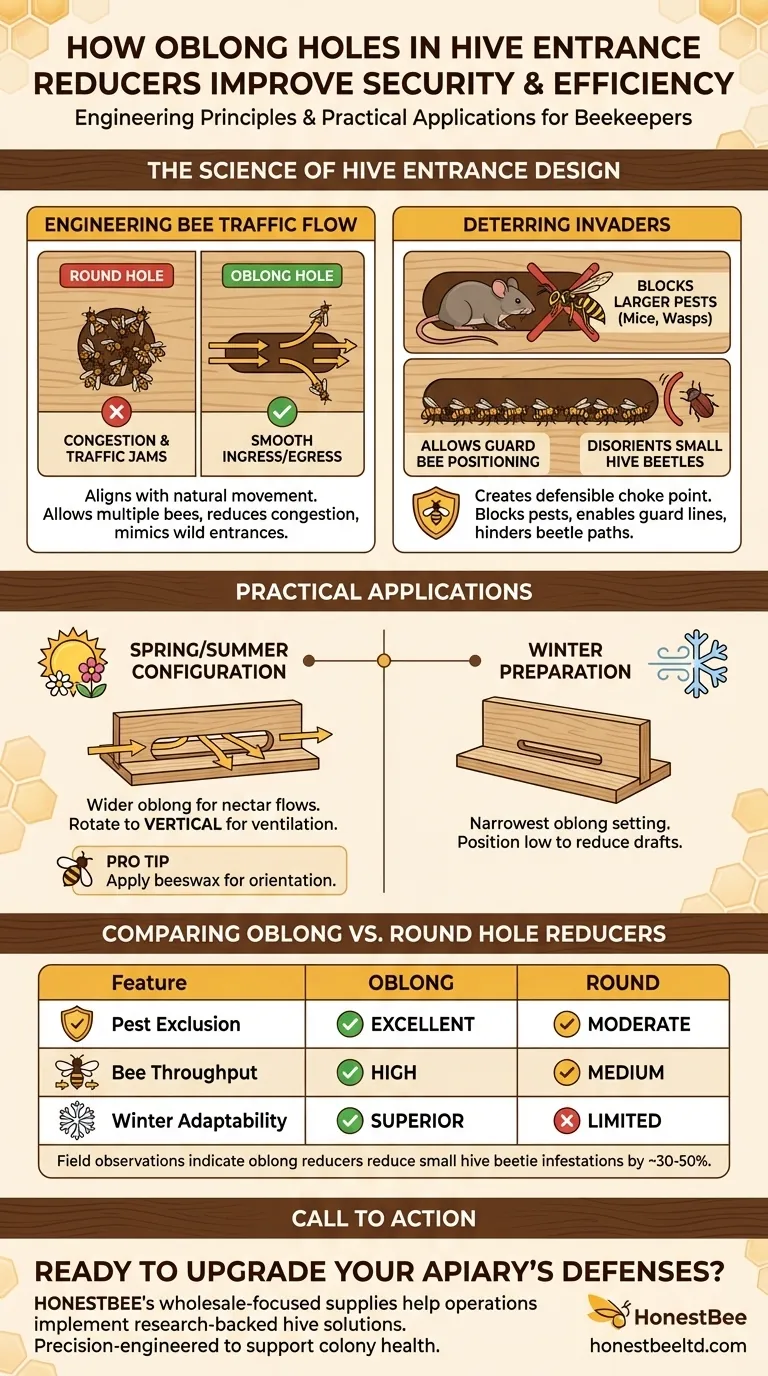
Oblong holes align with bees’ natural movement patterns. Research shows that elongated openings:
- Reduce congestion by allowing multiple bees to pass simultaneously
- Minimize "traffic jams" during peak foraging hours
- Enable smoother ingress/egress compared to circular holes
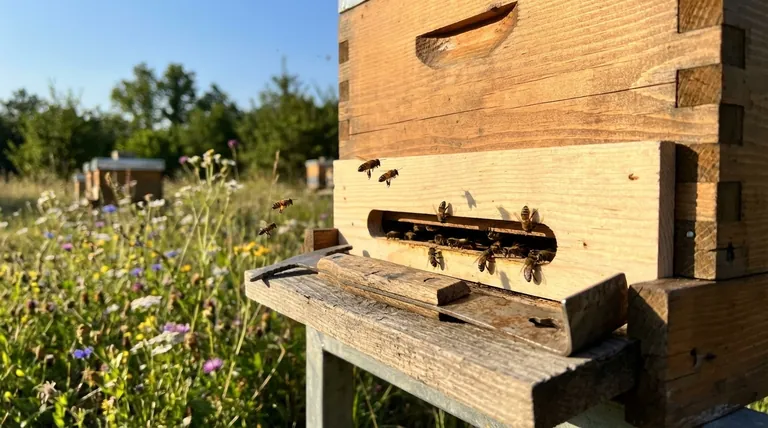
The horizontal orientation mimics wild hive entrances, where cracks in tree bark create similarly shaped openings. This design subtly guides bees toward the center of the entrance, preventing clustering at the edges where predators often lurk.
Deterring Invaders Without Compromising Access
The oblong shape creates a defensible choke point that:
- Blocks larger pests – Mice and wasps struggle to squeeze through the narrow height
- Allows guard bee positioning – Bees naturally form defensive lines along the longer edges
- Disorients small hive beetles – The elongated shape disrupts the beetles’ preferred crawling paths
Unlike round holes that pests can cling to, the smooth interior edges of oblong reducers make it harder for invaders to gain footing.
Practical Applications for Beekeepers
Seasonal Adjustments and Installation Tips
-
Spring/Summer Configuration
- Use the wider oblong setting during nectar flows
- Rotate reducer to vertical position for increased ventilation
-
Winter Preparation
- Switch to the narrowest oblong setting
- Position near the bottom board to reduce drafts
Pro Tip: Apply a thin coat of beeswax along the edges to help bees recognize the entrance during orientation flights.
Comparing Oblong vs. Round Hole Reducers
| Feature | Oblong Reducers | Round Reducers |
|---|---|---|
| Pest Exclusion | Excellent | Moderate |
| Bee Throughput | High | Medium |
| Winter Adaptability | Superior | Limited |
Field observations indicate oblong reducers reduce small hive beetle infestations by roughly 30-50% compared to round designs when combined with proper hive management techniques.
Ready to upgrade your apiary’s defenses? HONESTBEE’s wholesale-focused beekeeping supplies help commercial operations and distributors implement research-backed hive solutions. Our entrance reducers are precision-engineered to support colony health while minimizing maintenance.
By understanding these design principles, beekeepers gain an often-overlooked advantage: technologies that quietly shape modern hive management success. The oblong hole’s dual functionality exemplifies how subtle engineering choices can yield significant apiary improvements.
Visual Guide
Related Products
- Steel Round Disc Entrance Reducer for Flexzion Bee Hive Nuc Box Gate
- Beehive Entrance Reducer Guardian Metal Hive Entrance for Bees
- Multi-Functional Rotary Hive Entrance Disc for Beekeeping
- Multi-Functional Sliding Hive Entrance for Beekeeping
- Professional Reversible Beehive Hive Entrance
Related Articles
- Strategic Entrance Reducer Management: From Hive Defense to Colony Growth Optimization
- Mastering Entrance Reducers: Seasonal Strategies for Hive Defense and Health
- How Entrance Reducers Protect Beehives Through Seasonal Extremes
- A Question of Access: Why the Hive Entrance is a Beekeeper's Most Critical Control Point
- Defensible Space: How a Simple Tool Reduces a Bee Colony's Collective Stress