For commercial beekeepers, colony splitting (nuc creation) isn’t just about expansion—it’s a high-stakes balancing act between pheromone stability, resource allocation, and precise timing. Poor queen management can trigger swarming, reduce honey yields, or even collapse new nucs. Here’s how to align biological principles with field-tested protocols to optimize both parent and nuc colony health.
Hive Dynamics in Nuc Creation
Pheromone Hierarchy and Colony Stability
A honeybee colony operates as a single organism, with the queen’s pheromones suppressing worker ovary development and maintaining cohesion. When splitting a colony:
- Sudden queen removal disrupts this chemical equilibrium, triggering emergency queen-rearing instincts in workers.
- Gradual pheromone decay (achieved by moving the queen 3+ days before splitting) reduces chaos, allowing workers to accept introduced queens or reared virgins.
Research shows colonies with locally bred queens adapt faster to splits, as their pheromone profiles align with regional conditions.
Resource Allocation Between Parent and Nuc Colonies
Splitting drains resources from both colonies if mismanaged:
- Brood frames: Transfer 1–2 frames with eggs/larvae to the nuc to jumpstart workforce regeneration.
- Honey/pollen stores: Allocate 10–20% more than estimated needs—nucs with insufficient stores prioritize survival over foraging, delaying productivity.
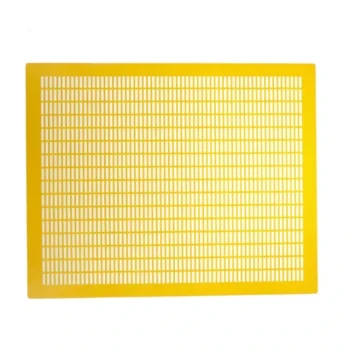
Pro Tip: Monitor the parent colony’s honey production post-split. Some colonies rebound within weeks, while others (especially those with wild-caught genetics) may overcompensate by expanding brood nests, requiring excluders to redirect energy to honey stores.
Operational Protocols
Safe Queen Retrieval Techniques
Crushing or injuring the queen during retrieval jeopardizes the entire operation.
- Smoke minimally: Excess smoke masks queen pheromones, confusing workers.
- Use marked queens: Bright paint dots (applied to the thorax) simplify identification.
- Isolate the queen: Temporarily cage her during frame transfers to prevent accidental damage.
Frame Inspection Criteria
Not all frames are equal for nuc creation. Prioritize frames with:
✅ Young brood (eggs/larvae) for emergency queen-rearing potential
✅ Capped worker cells (avoid drone-heavy frames)
✅ Attached bees to ensure adequate nurse bee coverage
Timing Considerations for Requeening
- Early-season splits (pre-honey flow) give nucs time to establish before foraging peaks.
- Late-season splits risk inadequate winter stores—only attempt if supplemental feeding is planned.
Did You Know? Colonies requeened in sync with natural nectar flows show 30–50% faster brood cycle recovery.
Risk Mitigation Strategies
Preventing Swarm Instincts
Splits can accidentally mimic swarming conditions. Reduce risks by:
- Maintaining staggered brood cycles in parent colonies to suppress swarm cell construction.
- Providing ventilation—congested nucs are more prone to swarming.
Disease Transfer Prevention
Shared equipment between colonies risks pathogen spread:
- Sterilize tools between uses (a 5% bleach solution is field-effective).
- Avoid splitting weak colonies—their higher parasite loads (e.g., varroa mites) doom nucs.
Emergency Queen Cultivation
When introduced queens are rejected, workers may rear inferior emergency queens. Backup options:
- Banked queens: Keep 2–3 mated queens in reserve (stored with attendants in mini-nucs).
- Grafting larvae: Commercial operations can graft day-old larvae into cell builders for rapid queen production.
Conclusion: Precision Over Guesswork
Successful colony splitting hinges on respecting honeybee biology while implementing surgical operational controls. Whether you’re a distributor equipping large-scale apiaries or a commercial beekeeper optimizing splits, the margin for error shrinks with every hive you manage.
Ready to streamline your beekeeping operations? HONESTBEE’s wholesale supplies—from durable excluders to queen-rearing kits—are designed for commercial-scale precision. Equip your apiary with tools that match your ambition.
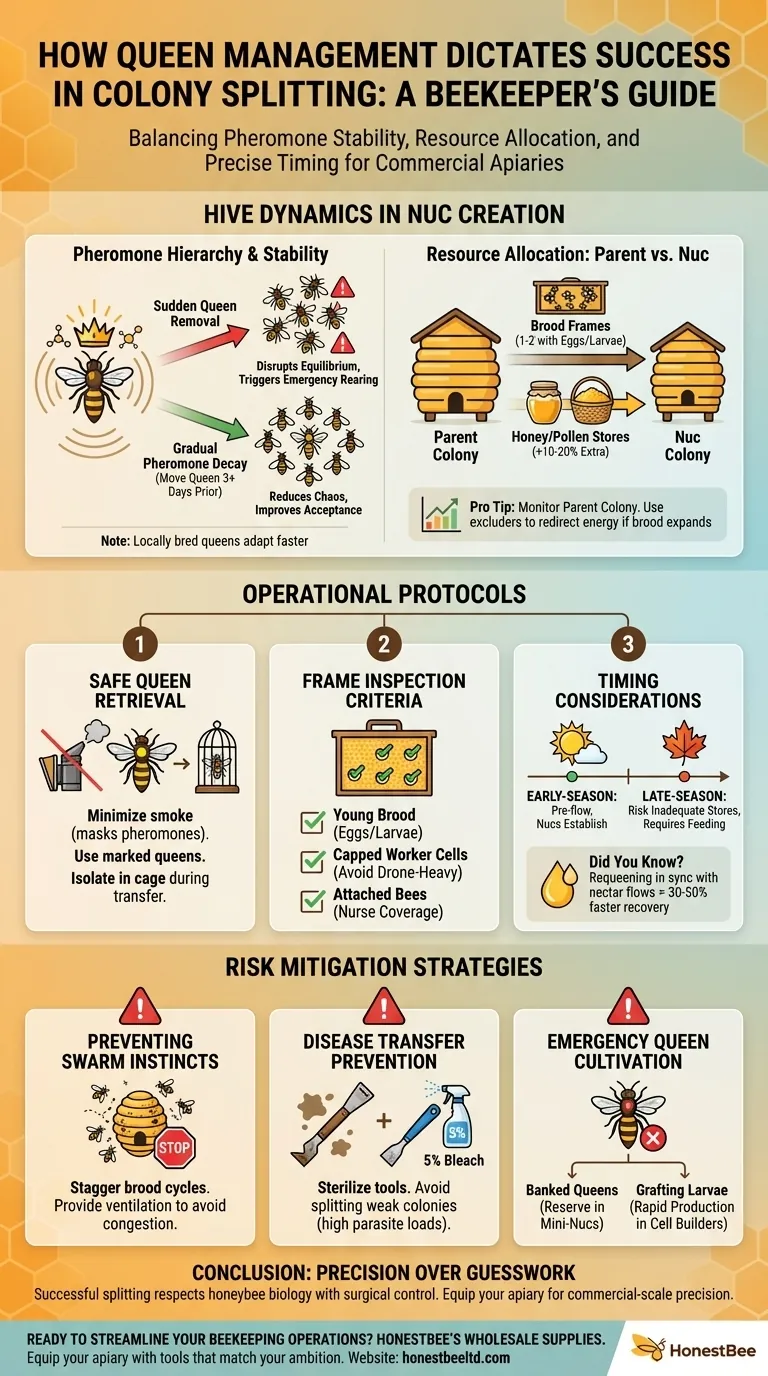
Visual Guide
Related Products
- JZBZ Langstroth Queen Rearing Frame for Beekeeping
- JZBZ Type Wide Base Plastic Queen Cell Cups for Base Mounting and Queen Rearing
- Metal Queen Bee Excluder for Beekeeping
- Brown Nicot Queen Cell Cups for Breeding Queen Bees Beekeeping
- No Grafting Queen Rearing Kit: System for Royal Jelly Production and Queen Rearing
Related Articles
- Assembled vs. Unassembled Frames: A Beekeeper’s Time-Value Analysis
- Are Your Beekeeping Frames Holding You Back? Unpacking the Hidden Trade-offs in Hive Management
- Tired of Sagging Comb? The Hidden Cost of "Cheap" Beekeeping Frames
- How Specialized Frames Revolutionize Queen Rearing Success
- How Beekeepers Can Maximize Queen-Rearing Success with the JZBZ System