Beeswax is a versatile natural material used in candles, cosmetics, and crafts—but improper melting techniques can turn it into a fire hazard. Research shows that beeswax reaches dangerous flammability thresholds at temperatures as low as 400°F (204°C). This guide delivers actionable, science-based protocols to help you melt beeswax safely, recognize overheating signs early, and respond effectively to emergencies.
Fundamental Risks of Melting Beeswax
Why Beeswax Poses Fire Hazards
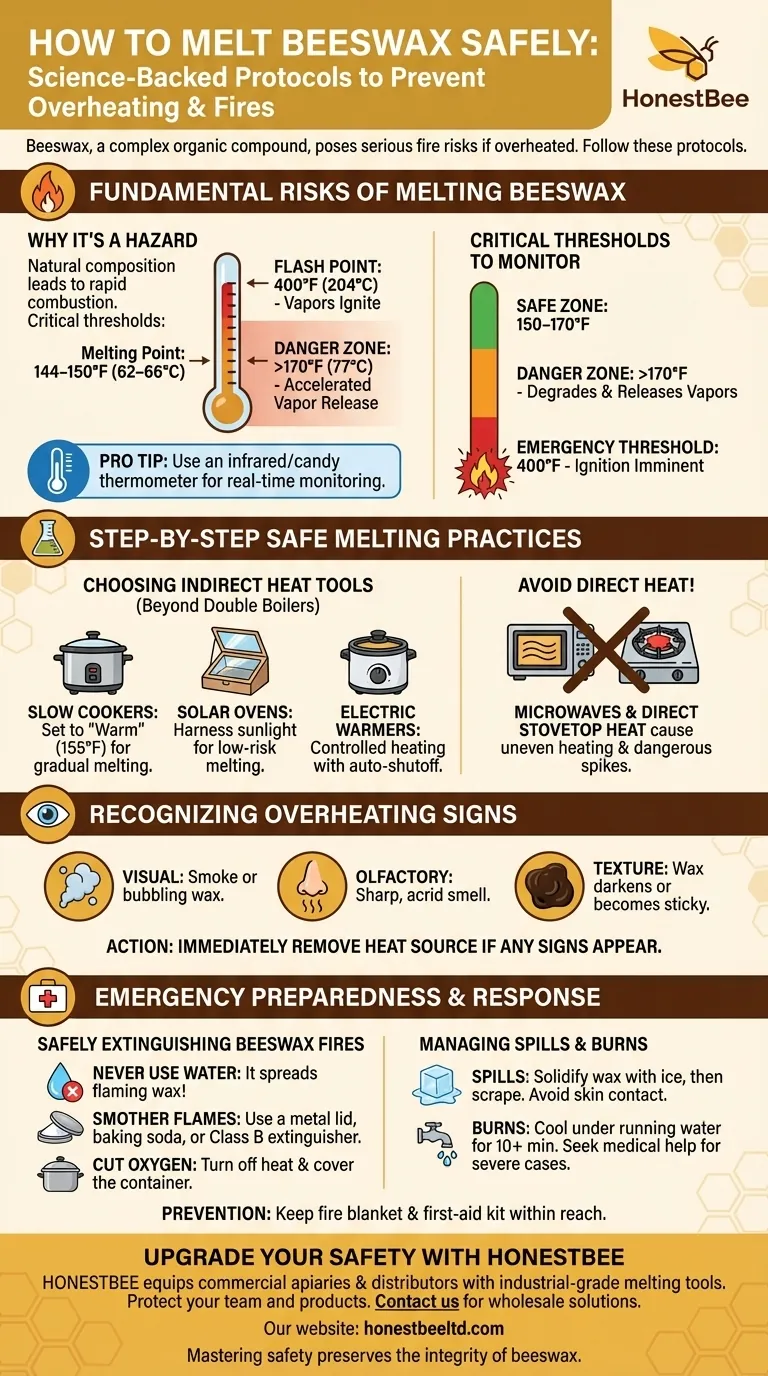
Beeswax isn’t just wax—it’s a complex organic compound with specific thermal limits. Unlike synthetic waxes, its natural composition makes it prone to rapid combustion when overheated. Studies indicate two critical thresholds:
- Melting point: 144–150°F (62–66°C)
- Flash point: 400°F (204°C), where vapors ignite
Exceeding 170°F (77°C) accelerates vapor release, increasing fire risks.
Critical Temperature Thresholds to Monitor
- Safe Zone: Keep wax between 150–170°F (66–77°C) for controlled melting.
- Danger Zone: Above 170°F, wax degrades and releases flammable vapors.
- Emergency Threshold: At 400°F, ignition becomes imminent.
Pro Tip: Use a candy or infrared thermometer to monitor temperatures in real time.
Step-by-Step Safe Melting Practices
Choosing Indirect Heat Tools (Beyond Double Boilers)
While double boilers are standard, these alternatives offer precision:
- Slow Cookers/Crockpots: Set to "warm" (155°F) for gradual, hands-off melting.
- Solar Ovens: Harness sunlight for low-risk melting (ideal for warm climates).
- Electric Wax Warmers: Designed for controlled heating with auto-shutoff features.
Avoid: Microwaves and direct stovetop heat—these often cause uneven heating and dangerous spikes.
Recognizing Early Signs of Overheating
- Visual Cues: Smoke or bubbling wax.
- Olfactory Cues: A sharp, acrid smell (indicating vapor release).
- Texture Changes: Wax darkens or becomes sticky.
Action: Immediately remove the heat source if any signs appear.
Emergency Preparedness and Response
Safely Extinguishing Beeswax Fires
- Never use water: It spreads flaming wax.
- Smother flames: Use a metal lid, baking soda, or a Class B fire extinguisher.
- Cut oxygen supply: Turn off heat and cover the container.
Managing Spills and Burns
- Spills: Solidify wax with ice before scraping; avoid hot wax contact with skin.
- Burns: Cool under running water for 10+ minutes; seek medical help for severe cases.
Prevention: Keep a fire blanket and first-aid kit within reach.
Ready to Upgrade Your Beekeeping Safety?
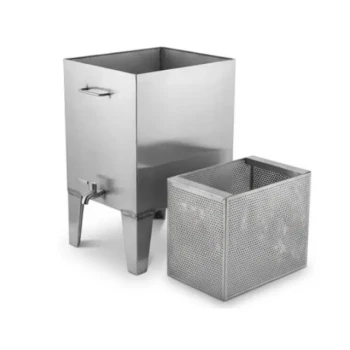
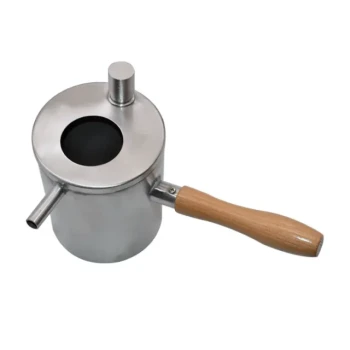
HONESTBEE equips commercial apiaries and distributors with industrial-grade melting tools, from temperature-controlled warmers to fire-resistant workstations. Protect your team and products—contact us for wholesale solutions tailored to high-volume operations.
Final Thought: Mastering beeswax safety isn’t just about avoiding fires—it’s about preserving the integrity of a material that beekeepers and artisans rely on daily.
Visual Guide
Related Products
- Beeswax Machine Press Embosser Wax Foundation Mold Printer Bee Hive Equipment Making Sheet
- Beeswax Foundation Sheets Beehive Foundation for Wholesale
- Colorful Silicone Beeswax Foundation Mold Mould for Beekeeping
- Economy Manual Beeswax Embossing Mill Wax Foundation Machine Roller
- Electric Beeswax Flat Sheet Machine with Operating Tray for Wax Processing
Related Articles
- Why Your In-House Beeswax Foundation is Failing Your Business—And How to Fix It
- Beyond the Embosser: The Systems Thinking Behind Perfect Beeswax Foundation
- How Beeswax Foundation Machines Transform Beekeeping Efficiency
- How Beeswax Foundation Machines and Smart Equipment Transform Beekeeping Efficiency
- Why Your Beeswax Foundation Fails: The Hidden Physics Behind Embossing