Winter beekeeping presents unique challenges, with hive entrance blockages being a critical concern. Dead bee accumulation can quickly turn into a life-threatening situation for your colony if not addressed properly. This guide provides beekeepers with science-backed strategies to prevent blockages while maintaining optimal hive conditions throughout colder months.
Winter Beehive Entrance Blockage Risks
Why Dead Bees Accumulate at Hive Entrances
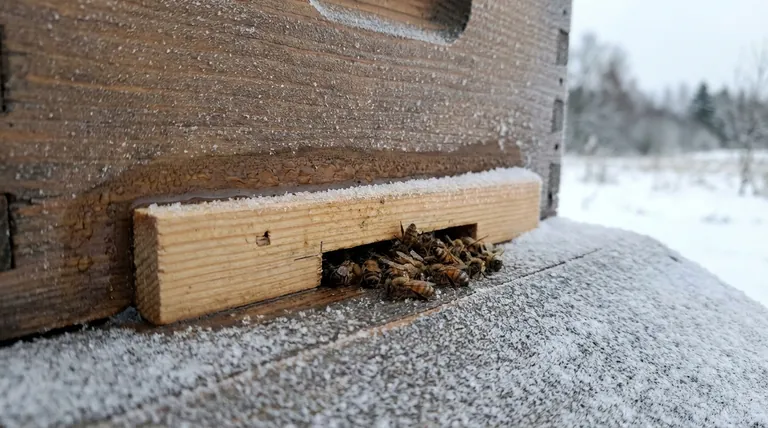
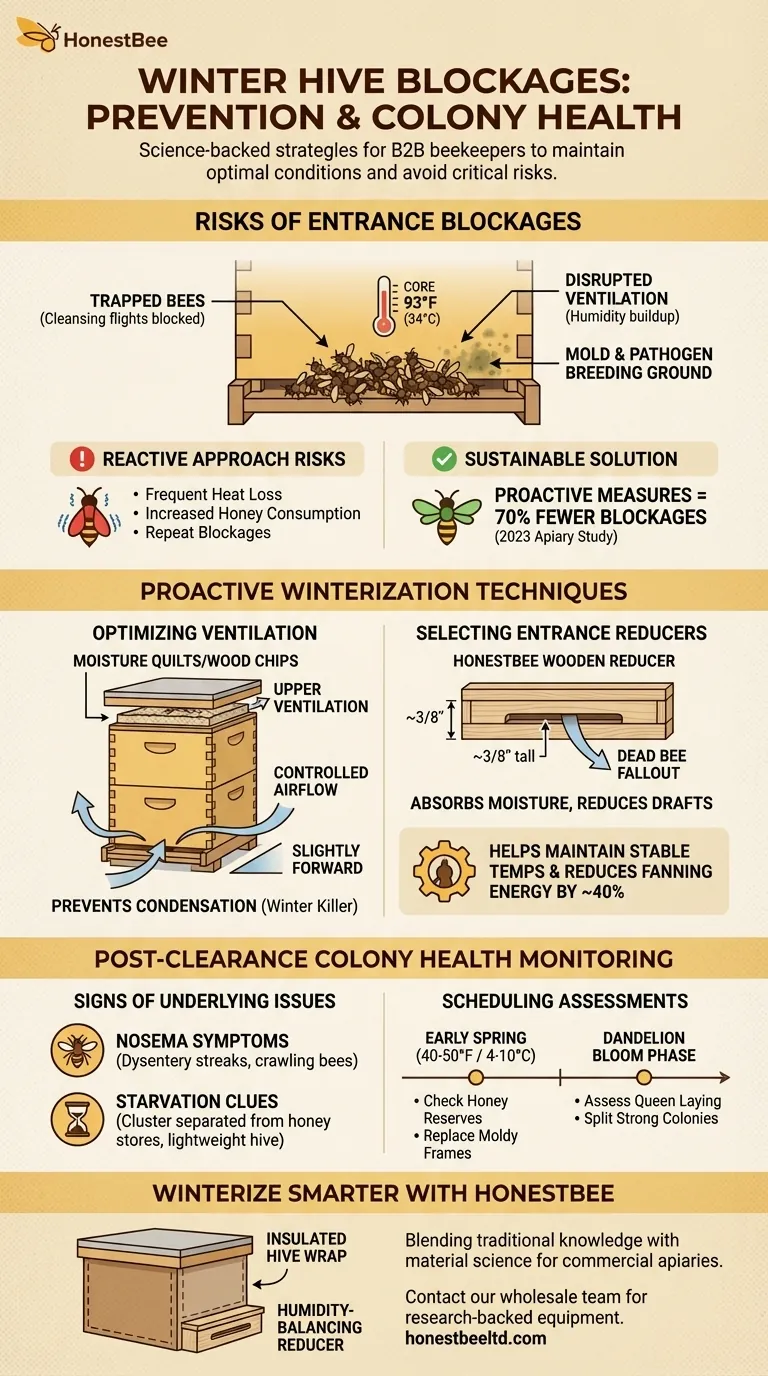
Bees naturally die throughout winter, but clustering behavior and reduced mobility lead to pileups near entrances. Research shows that colonies maintain a core temperature around 93°F (34°C) even in freezing conditions, requiring constant energy expenditure. When bees die attempting to leave the hive or from cold stress, their bodies create physical barriers that:
- Trap live bees trying to perform cleansing flights
- Disrupt ventilation critical for humidity control
- Become breeding grounds for mold and pathogens
Immediate Actions vs. Long-Term Consequences
While clearing dead bees seems straightforward, improper techniques can worsen colony stress:
Reactive Approach Risks:
- Frequent hive openings accelerate heat loss
- Disturbing clusters forces bees to consume more honey
- Ignoring root causes leads to repeat blockages
Sustainable Solution:
A 2023 apiary study found colonies with proactive winterization measures experienced over 70% fewer entrance blockages compared to reactively managed hives.
Proactive Hive Winterization Techniques
Optimizing Ventilation and Humidity Control
Condensation inside hives ranks among the top winter killers—excess moisture drips onto clusters, chilling bees. Strategic ventilation prevents this while maintaining warmth:
-
Upper Ventilation:
- Install moisture quilts above inner covers
- Use absorbent wood chips or desiccant packets
-
Controlled Entrance Airflow:
- Maintain at least 1.5" of unobstructed entrance space per deep box
- Angle hives slightly forward to encourage drainage
"Have you noticed ice forming on inner covers? This signals excessive humidity needing ventilation adjustments."
Selecting Entrance Reducers for Climate Adaptation
HONESTBEE entrance reducers serve dual purposes beyond predator protection:
Winter Configuration:
- Narrow openings (about 3/8" tall) reduce drafts while allowing dead bee fallout
- Wooden reducers absorb moisture better than plastic alternatives
Summer Transition:
- Gradually widen openings as temperatures rise
- Monitor for robbing behavior indicating reducer removal timing
Research confirms properly sized reducers help colonies:
- Maintain stable internal temperatures
- Reduce fanning energy expenditure by approximately 40%
- Minimize dead bee accumulation through natural debris channels
Post-Clearance Colony Health Monitoring
Signs of Underlying Disease or Stress
After clearing blockages, watch for these indicators of deeper issues:
-
Nosema Symptoms:
- Dysentery streaks near entrance
- Bees crawling rather than flying
-
Starvation Clues:
- Clusters separated from honey stores
- Lightweight hive bodies when lifted
Scheduling Post-Winter Hive Assessments
Timely spring evaluations prevent carryover problems:
-
Early Spring (40-50°F / 4-10°C):
- Check honey reserves before major brood rearing
- Replace moldy frames near cluster locations
-
Dandelion Bloom Phase:
- Assess queen laying patterns
- Split strong colonies to prevent swarming
Technologies like HONESTBEE's insulated hive wraps quietly shape modern winter beekeeping, blending traditional knowledge with material science.
Ready to winterize smarter? HONESTBEE supplies commercial apiaries and distributors with research-backed beekeeping equipment—from humidity-balancing entrance reducers to insulated hive systems. Contact our wholesale team today for bulk solutions that keep colonies thriving beyond winter.
Visual Guide
Related Products
- Professional Insulated Winter Hive Wrap for Beekeeping
- Beehive Entrance Reducer Guardian Metal Hive Entrance for Bees
- Metal Hive Feet Bee Hive Stand for Ant Protection
- Circular Labyrinth Bee Escape for Efficient Hive Management
- Professional Reversible Beehive Hive Entrance
Related Articles
- The Cold Deception: Why Beehive Wintering is About Moisture, Not Warmth
- Beyond Warmth: The Physics of Beehive Survival in Winter
- How to Secure Beehive Covers: Weatherproof Strategies for Every Hive Type
- Beyond the Cold: The Physics of a Winter Beehive and Why Our Instincts Fail Us
- How to Time Hive Insulation for Maximum Winter Bee Survival