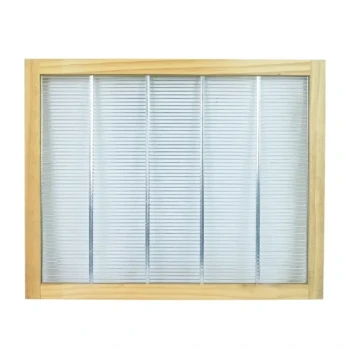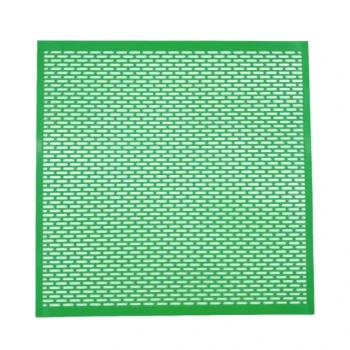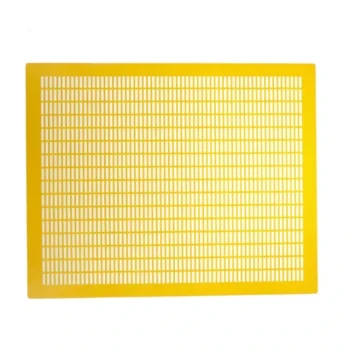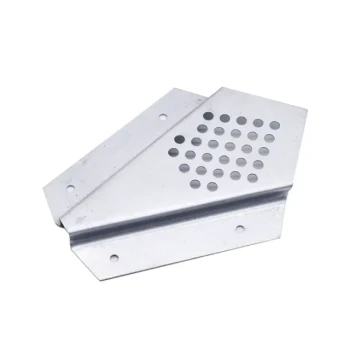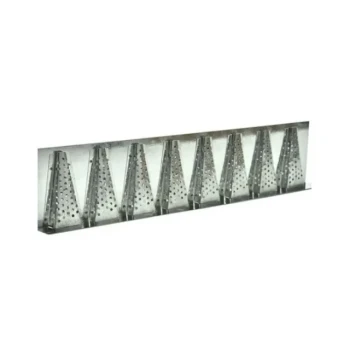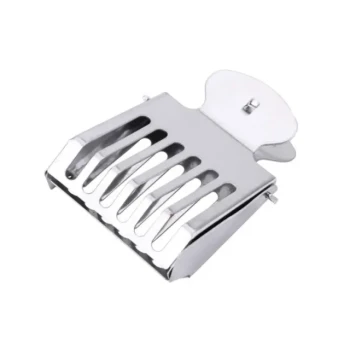
For commercial beekeepers and apiary equipment distributors, every component must balance durability, bee welfare, and operational efficiency. Metal queen excluders—particularly those made from stainless steel—offer unmatched longevity and hive health preservation compared to plastic or wood alternatives. This analysis explores why military-grade metal excluders reduce long-term costs while safeguarding colony productivity.
The Durability Advantage
Military-Grade Stainless Steel Construction
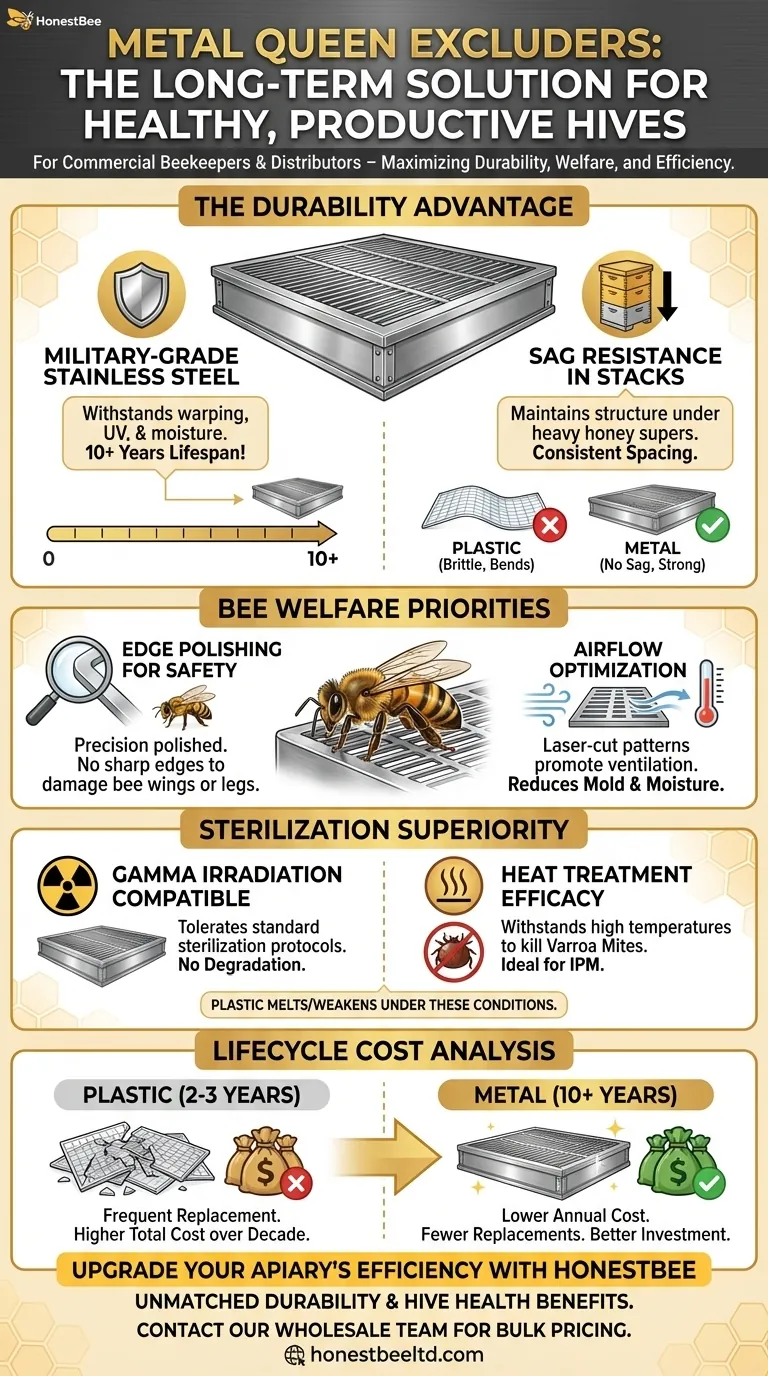
Stainless steel excluders withstand hive conditions that warp or degrade other materials. Unlike plastic, which becomes brittle under UV exposure, or wood, which absorbs moisture and propolis, stainless steel maintains structural integrity for over a decade. Beekeepers report minimal deformation even in stacked hive systems, where weight and humidity accelerate wear.
Sag Resistance in Hive Stacks
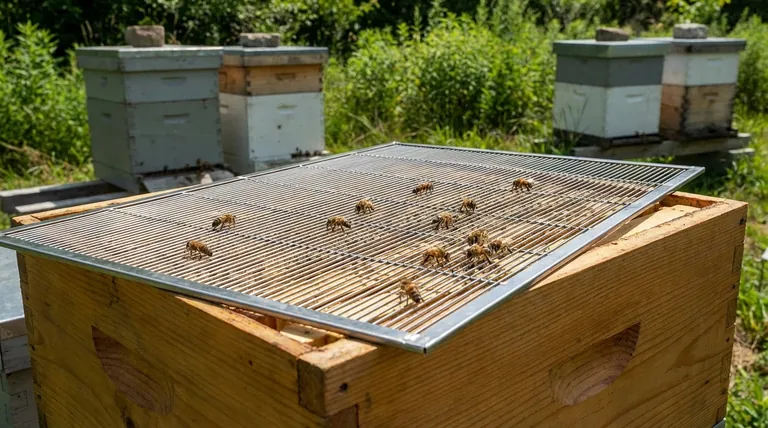
Commercial operations often stack hives vertically to save space. Metal excluders resist sagging under the weight of honey supers, ensuring consistent spacing that prevents bee injury or queen movement into restricted areas. Plastic excluders, by contrast, may bend over time, creating gaps that compromise hive management.
Bee Welfare Priorities
Edge Polishing for Brood Safety
Poorly finished excluder edges can damage bee wings or legs. High-quality metal excluders undergo precision polishing to eliminate sharp edges, reducing abrasion risks during daily hive activity. This attention to detail aligns with ethical beekeeping practices that prioritize colony health.
Airflow Optimization Patterns
Hive ventilation affects brood development and honey curing. Metal excluders incorporate laser-cut patterns that promote airflow without sacrificing durability—a critical feature in humid climates where moisture buildup encourages mold. Research shows proper ventilation can reduce winter colony losses by significant margins.
Sterilization Superiority
Gamma Irradiation Compatibility
Commercial apiaries sterilize equipment between uses to prevent disease spread. Stainless steel excluders tolerate gamma irradiation—a standard protocol for large-scale operations—without degrading. Plastic excluders may weaken under repeated sterilization, necessitating premature replacement.
Heat Treatment Efficacy Against Varroa Mites
Some beekeepers use heat treatments to control varroa mites. Metal excluders withstand temperatures that kill mites without warping, unlike plastic alternatives that melt or release harmful compounds. This makes them ideal for integrated pest management (IPM) systems.
Lifecycle Cost Analysis
Decade-Long Usage Case Studies
While plastic excluders typically last 2–3 years, stainless steel versions often exceed 10 years with proper maintenance. Beekeepers who switch report fewer replacements and lower annual equipment costs, offsetting the higher initial investment.
Replacement Cost Comparisons
A single metal excluder may cost slightly more upfront than plastic, but replacing plastic excluders multiple times over a decade can double or triple total expenses. Distributors note that bulk buyers increasingly prioritize metal for its total cost of ownership.
Upgrade Your Apiary’s Efficiency with HONESTBEE
For commercial beekeepers and distributors, HONESTBEE’s stainless steel queen excluders deliver unmatched durability and hive health benefits. Reduce long-term costs and support sustainable beekeeping with equipment built to last. Contact our wholesale team today to discuss bulk pricing.
Visual Guide
Related Products
- Metal Queen Bee Excluder for Beekeeping
- Premium Wood Framed Metal Wire Queen Bee Excluder
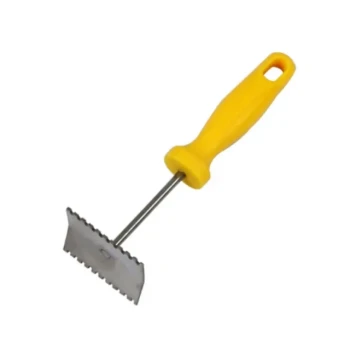
- Stainless Steel Scraper for Metal Queen Bee Excluders
- Professional Dual Action Queen Excluder Scraper for Beekeeping
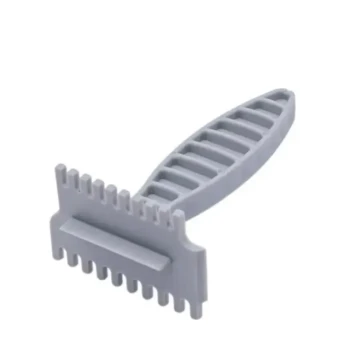
- Lightweight Durable Plastic Queen Excluder Scraper for Beekeeping
Related Articles
- The Fatal Logic of the Winter Cluster: Why a Queen Excluder Becomes a Hive's Single Point of Failure
- The Geometry of Order: Why the Queen Excluder is a Beekeeper's Most Strategic Tool
- The Calculated Boundary: Why the Queen Excluder is Beekeeping's Most Strategic Tool
- How to Choose Queen Excluders Based on Colony Behavior and Queen Traits
- How to Optimize Queen Excluders for Healthier Bees and Better Honey Harvests