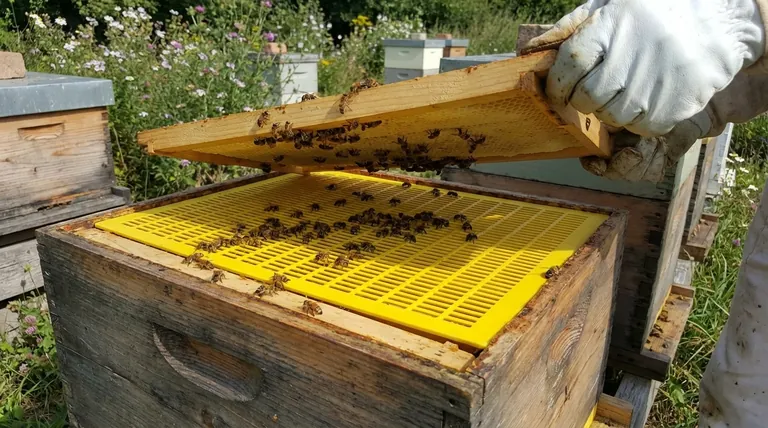
The Manager's Dilemma
A beehive is a self-regulating superorganism, a marvel of decentralized decision-making. As beekeepers, we are not its commanders, but its managers. Every tool we introduce is an intervention, and every intervention carries both intended consequences and hidden risks.
The queen excluder is a deceptively simple tool—a grate. But placing it in a hive is a profound decision. It represents a choice to impose a boundary, to trade a degree of natural flow for a specific, desirable outcome: a clean, brood-free honey harvest.
The real question isn't if the tool works. It's about the wisdom and timing of the intervention itself.
An Intentional Boundary: The Nursery vs. The Pantry
The core purpose of the queen excluder is to draw a line. It creates a permeable barrier that worker bees can easily cross, but the larger queen cannot.
This simple act divides the hive into two distinct zones:
- The Brood Nest (The Nursery): Where the queen lays eggs and the next generation of bees is raised.
- The Honey Supers (The Pantry): Where surplus nectar is stored and ripened into honey for harvest.
By keeping the queen in the nursery, you ensure the pantry contains only honey. This simplifies extraction and protects developing bees. It's an act of architectural design imposed on a living system.
The Three Signals for Intervention
A successful intervention is not dictated by the calendar. It's a response to clear signals from the hive and its environment. Adding an excluder too early can stifle a colony's growth; too late, and the queen has already made your honey supers her nursery.
Watch for these three critical signals to converge.
1. Internal Momentum (Colony Strength)
Before you can add a new floor to a building, the foundation must be solid. The same is true for a hive. A strong colony is bursting with activity and resources.
The rule of thumb is that the brood box(es) should be at least 80% full of bees, brood, and food stores. Placing an excluder and an empty super on a weak colony is like opening a massive new department for an understaffed team. The bees may be hesitant to cross the barrier and expand into the new, empty space.
2. External Stability (Weather)
An excluder introduces a potential point of failure. The most significant external risk is a late cold snap. Nighttime temperatures must be consistently and reliably above 50°F (10°C).
If temperatures plummet, the bee cluster will contract to generate warmth. If that cluster migrates upward to be near its food stores in the super, the excluder becomes a fatal trap, isolating the queen below and leaving her to freeze. Your intervention, meant to help, could kill the colony's heart.
3. Market Opportunity (Nectar Flow)
The final signal is the beginning of the main nectar flow. This is the moment of opportunity, when a flood of resources becomes available.
Adding the excluder and super just as this flow begins gives the now-crowded workforce an immediate and powerful incentive to cross the barrier and begin storing nectar. It aligns your intervention with the colony's own natural, explosive drive to expand.
The Mechanics of a Flawless Deployment
Once all three signals are positive, the installation is a straightforward procedure.
- Locate the Queen: First, perform a quick inspection. You must confirm the queen is in the bottom brood box. Trapping her above the excluder defeats the entire purpose.
- Set the Boundary: Place the queen excluder directly on top of the uppermost brood box. For commercial operations, a durable, precisely-spaced metal excluder is non-negotiable to prevent warping and ensure it functions correctly for years.
- Add the Expansion: Place the empty honey super directly on top of the excluder.
- Prime the System (Optional but Recommended): Bees can be reluctant to cross the new barrier. To encourage them, pull one or two frames of capped brood or nectar from the brood box and place them in the center of the new super. The "scent" of the colony in the new space acts as a powerful magnet, drawing worker bees upward to care for the brood and manage the stores.
Understanding the Second-Order Effects
No intervention is without its costs. A skilled manager understands the potential downsides and plans for them.
- The Bottleneck Effect: The excluder can slow traffic, creating a minor bottleneck for foragers. Some argue this can slightly reduce the overall honey yield. It's a trade-off between purity and maximum volume.
- The Risk of Miscalculation: If the bees are slow to move up during a heavy nectar flow, they may backfill the brood nest with nectar. This leaves the queen with no room to lay, restricting colony growth and potentially triggering a swarm.
- A Temporary Tool: The excluder's job is done when the honey is harvested. It must be removed before winter. Forgetting this is a common and fatal mistake for the reason mentioned earlier: it can separate the queen from her winter cluster.
| Key Factor | Prerequisite for Placement | Why It Matters |
|---|---|---|
| Colony Strength | Brood box is 80% full | A strong colony has the momentum to expand past the barrier. |
| Weather Stability | Nights consistently above 50°F (10°C) | Prevents the queen from being trapped below a migrating cluster. |
| Nectar Flow | At the start of the main flow | Provides a powerful incentive for bees to move into the super. |
Ultimately, using an excluder is a management choice based on a clear goal. For commercial apiaries focused on predictable, high-quality yields, it's an indispensable tool. It transforms honey harvesting from a messy, variable process into a streamlined, efficient one. This level of system control requires equipment that is just as reliable and precise.
For professional-grade beekeeping supplies designed for durability and performance, HONESTBEE provides the tools you need to manage your apiary with confidence.
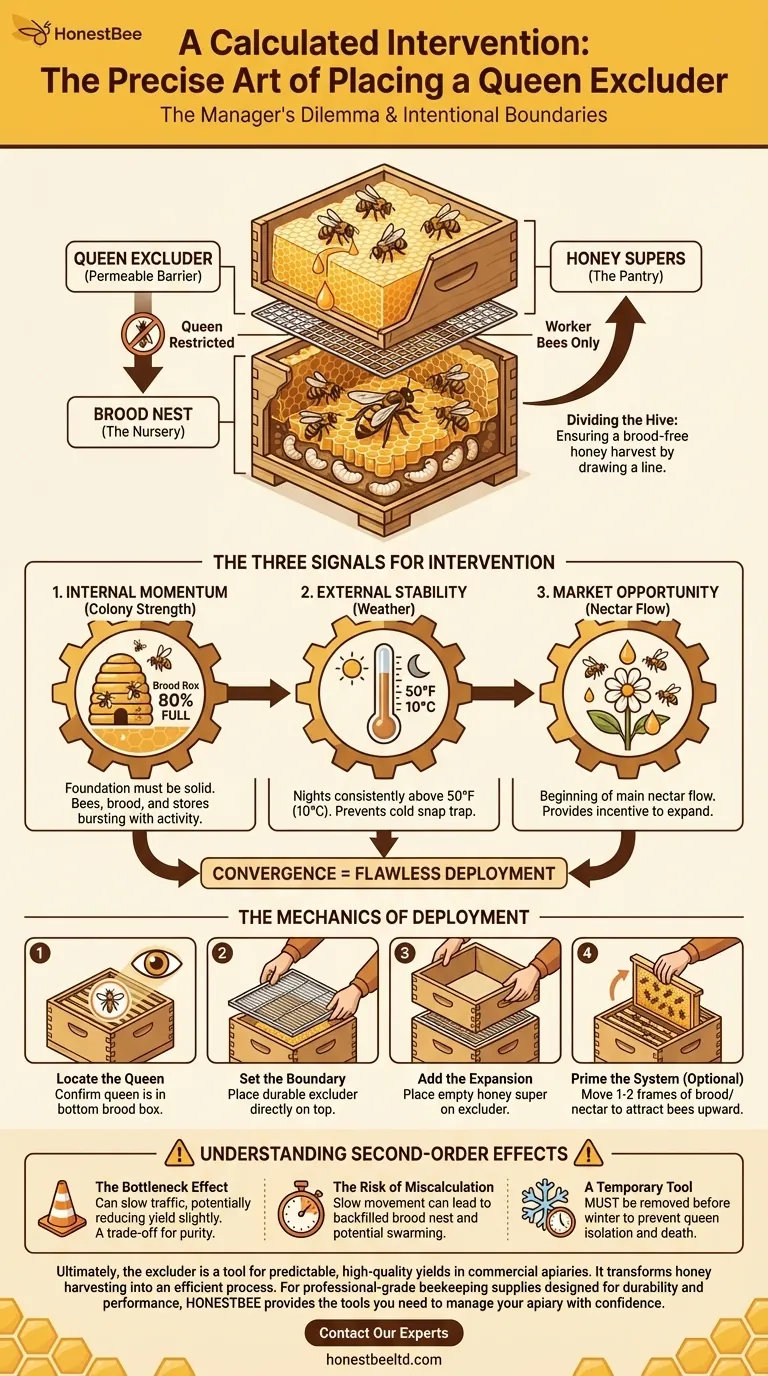
Visual Guide
Related Products
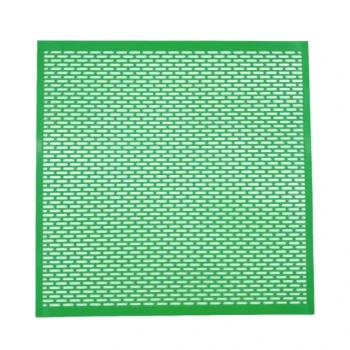
- High Performance Plastic Queen Excluder for Beekeeping and Apiary Management
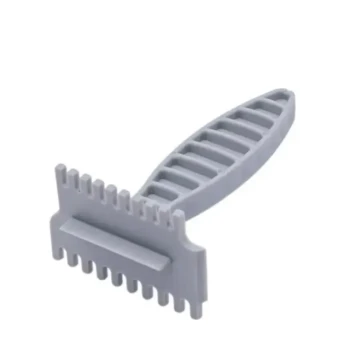
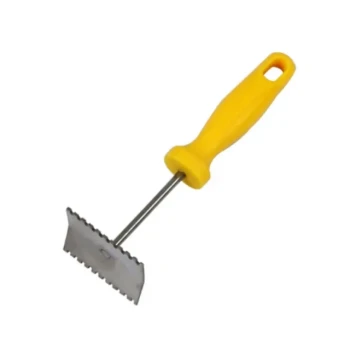
- Lightweight Durable Plastic Queen Excluder Scraper for Beekeeping
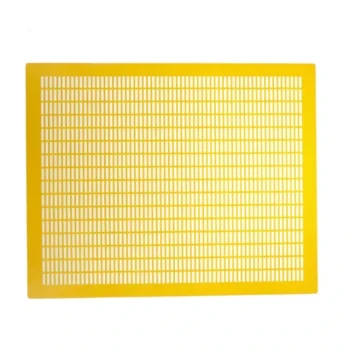
- Professional Plastic Queen Excluder for Modern Beekeeping
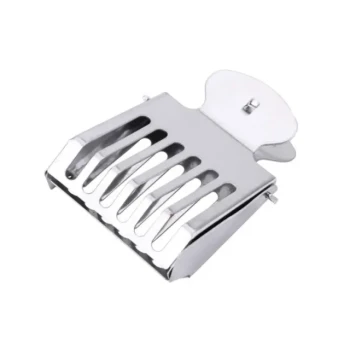
- Metal Queen Bee Excluder for Beekeeping
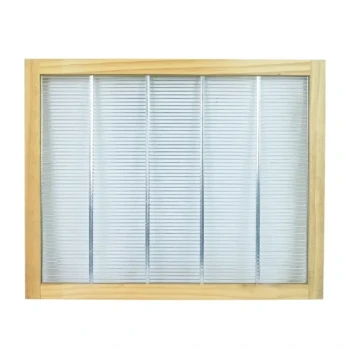
- Premium Wood Framed Metal Wire Queen Bee Excluder
Related Articles
- How Plastic Queen Excluders Improve Hive Longevity and Colony Health
- Plastic Queen Excluders vs. Alternatives: A Beekeeper’s Guide to Smarter Hive Management
- Why Plastic Queen Excluders Outperform Metal and Wood: Science, Savings, and Hive Protection
- How to Choose Queen Excluders Based on Colony Behavior and Queen Traits
- The Geometry of Order: Why the Queen Excluder is a Beekeeper's Most Strategic Tool