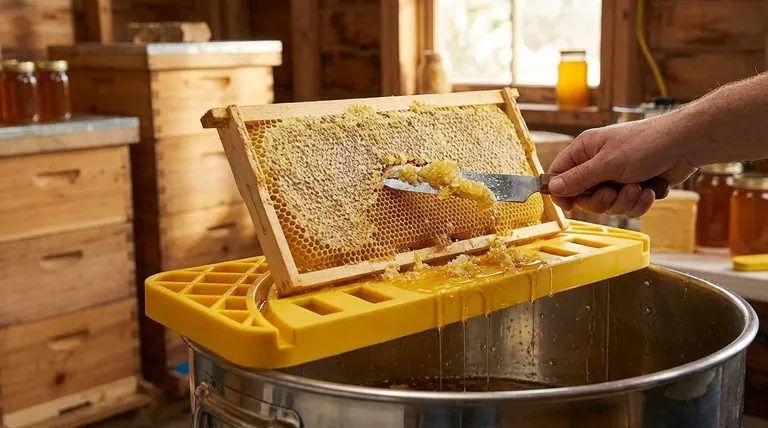
The Harvest Day Standoff
Picture the scene. It's the peak of the honey flow, and the air in the extraction room is thick with the scent of beeswax and fresh honey. Frames, heavy and dripping with liquid gold, are ready. Your extractor is humming. Everything is set for a day of smooth, productive work.
But then, the system grinds to a halt.
The bottleneck isn't the extractor or the number of hands on deck. It's a small, overflowing tank where uncapped frames are supposed to wait. Cappings pile up, honey drips onto the floor, and the entire workflow backs up. What should be a satisfying process becomes a sticky, frustrating battle against your own equipment.
This moment of friction isn't just an inconvenience. It's a critical system failure. The choice of an uncapping tank, often seen as a simple container, is actually one of the most consequential decisions for the efficiency and scalability of any beekeeping operation.
The Psychology of a Flawed System
We tend to underestimate the hidden costs of a bad workflow. The financial cost of a too-small tank is obvious—less honey recovered from cappings, more waste. But the psychological cost is far greater.
A system that constantly requires intervention and cleanup creates immense cognitive load. It pulls your focus from the important tasks—managing frame rotation, monitoring the extractor, ensuring quality—and forces you to manage a mess.
This is the difference between a process that energizes you and one that drains you. The right equipment doesn't just hold cappings; it creates a state of flow, turning a complex operation into a predictable, rhythmic, and profitable procedure.
Matching a System to Your Scale of Operation
The core principle is simple: the tool must fit the job. An uncapping system that is perfect for a hobbyist will cripple a commercial operation. The key is to honestly assess your scale and invest in a system that removes friction, rather than creating it.
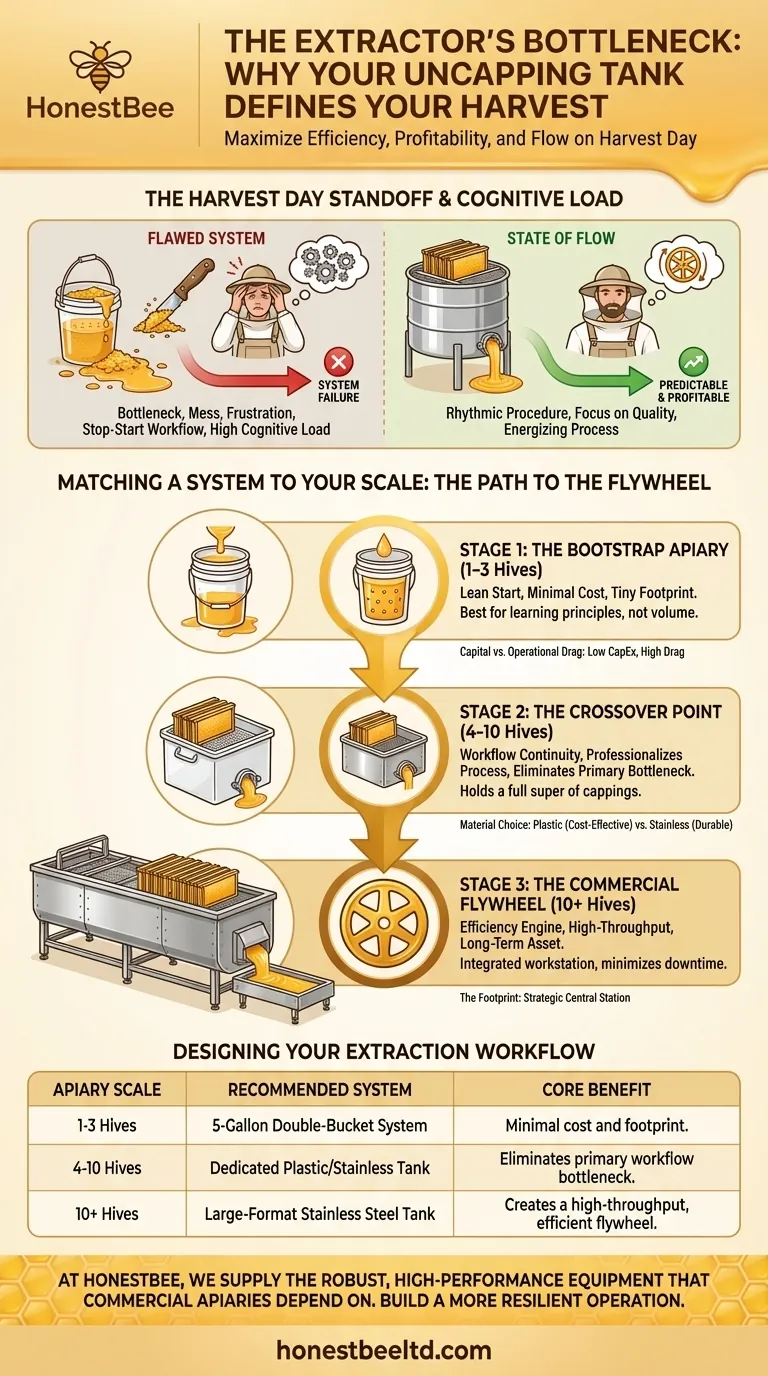
Stage 1: The Bootstrap Apiary (1-3 Hives)
For a new operation, capital is precious and simplicity is king. A dedicated, large-format tank is overkill. The elegant solution here is a two-bucket system.
- Setup: One food-grade bucket with holes drilled in the bottom is nested inside a second, solid bucket.
- Function: Cappings fall into the top bucket, and the honey slowly drains into the bottom one.
- Analysis: This is the definition of a lean start. It's low-cost, has a tiny storage footprint, and is perfectly adequate for the volume produced by a few hives. It teaches the principles of honey recovery without a major upfront investment.
Stage 2: The Crossover Point (4-10 Hives)
This is the most critical stage of growth and the most common point of failure. The bucket system, once a symbol of efficiency, now becomes the primary bottleneck. The volume of cappings from a single super can overwhelm it, forcing you to stop and empty it constantly.
This is the time to invest in a dedicated uncapping tank.
- Setup: A purpose-built plastic or stainless steel tank with a sieve or grid for cappings and a honey gate for drainage.
- Function: It can hold all the cappings from at least one full super, allowing you to uncap a full batch of frames before needing to pause.
- Analysis: This is an investment in workflow continuity. It professionalizes your process, dramatically reduces mess, and saves hours of frustration on harvest day. It's the first major step toward building a truly scalable extraction line.
Stage 3: The Commercial Flywheel (10+ Hives)
At a commercial or serious sideliner scale, efficiency is not a luxury; it's the engine of profitability. Every minute saved during the harvest multiplies across dozens or hundreds of hives.
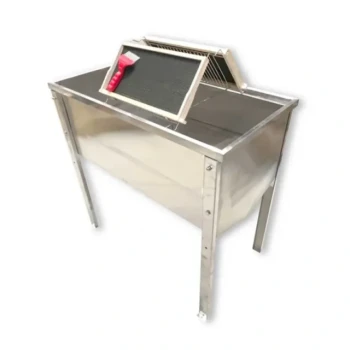
The required tool is a large, long-format stainless steel uncapping tank.
- Setup: A heavy-duty tank that serves as the central workstation. It includes built-in frame rests and has the capacity to hold cappings from many supers.
- Function: It’s not just a container; it’s an integrated part of a processing line. You uncap directly over the tank, rest frames on its integrated holders, and the salvaged honey is drained directly for processing.
- Analysis: This is the flywheel. Its large capacity and durable construction create momentum in your workflow. It minimizes downtime, maximizes honey recovery, and provides decades of reliable service. For commercial apiaries and distributors supplying them, this is the professional standard.
The Physics and Economics of Your Choice
Choosing your tank involves a few critical trade-offs that go beyond the initial purchase price.
The Equation: Capital vs. Operational Drag
A cheap bucket system has low capital expenditure but introduces high operational drag (wasted time, mess, frustration) at scale. A premium stainless steel tank is a significant investment, but it eliminates that drag, paying for itself in recovered time and increased throughput.
Material Science: Food-Grade Polymers vs. Stainless Steel
- Plastic: An excellent, cost-effective choice for growing operations. It's lightweight, easy to move, and perfectly functional.
- Stainless Steel: The definitive choice for commercial use. It is virtually indestructible, will never be damaged by a heated uncapping knife, and offers superior hygiene, being far easier to clean and sterilize. It's not an expense; it's a long-term asset.
The Footprint: Integrating into Your Workspace
A larger tank demands dedicated space. This isn’t a drawback; it’s a strategic decision. Designing your honey house around an efficient, central uncapping station is a hallmark of a professional operation.
Designing Your Extraction Workflow
Let your operational scale and future ambitions guide your decision. The goal is to build a system that makes your harvest day smoother, more profitable, and more enjoyable.
| Apiary Scale | Recommended System | Core Benefit |
|---|---|---|
| 1-3 Hives | 5-Gallon Double-Bucket System | Minimal cost and footprint. |
| 4-10 Hives | Dedicated Plastic/Stainless Tank | Eliminates the primary workflow bottleneck. |
| 10+ Hives | Large-Format Stainless Steel Tank | Creates a high-throughput, efficient flywheel. |
At HONESTBEE, we focus on supplying the robust, high-performance equipment that commercial apiaries and distributors depend on. We understand that the right uncapping tank is the heart of an efficient harvest. To build a more resilient and profitable operation with equipment designed for your scale, Contact Our Experts.
Visual Guide
Related Products
- Stainless Steel Uncapping Tank with Stand and Strainer
- Plastic Honey Uncapping Tub Tank for Beekeeping
- Portable Uncapping Tank Holder Uncapping Bench for Beekeeping
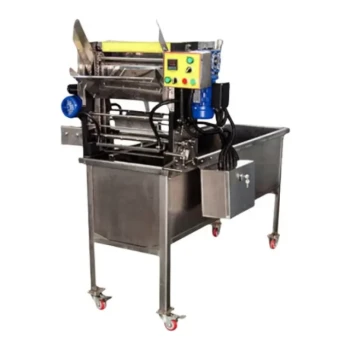
- Automatic Honey Frame Uncapper Machine for Beekeeping
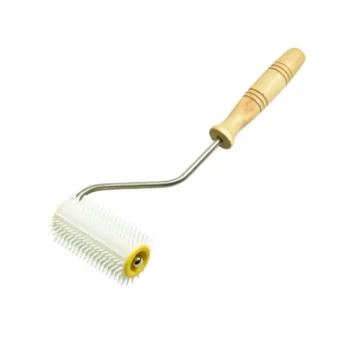
- Lightweight Plastic Uncapping Roller with Tines
Related Articles
- Is Your Honey Tank a Hidden Hazard? Why Poor Sanitation Can Spoil Your Harvest
- Comprehensive Guide to Uncapping Honey Frames for Beekeepers
- Why Your Honey Tanks Could Be Ruining Your Product—And Why 304 Stainless Is the Only Fix
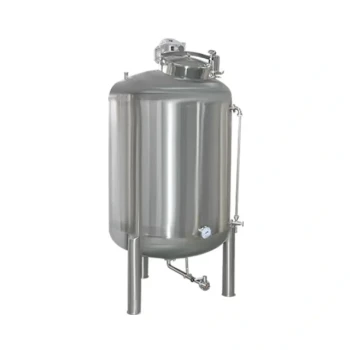
- How Honey Heating Tanks Preserve Quality and Efficiency in Modern Beekeeping
- How to Choose Honey Storage Containers That Prevent Spoilage and Extend Shelf Life