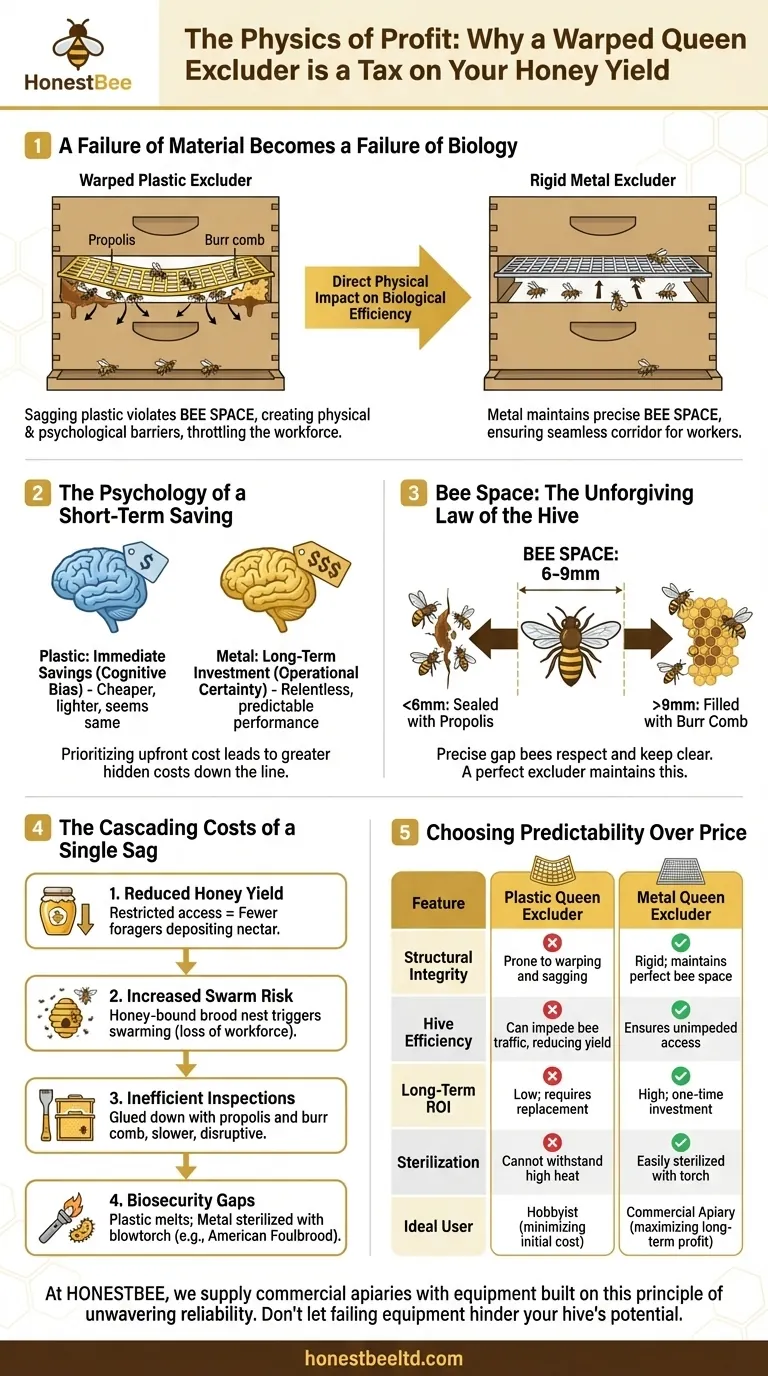
A Failure of Material Becomes a Failure of Biology
A beekeeper lifts the lid on a hive in mid-July. The nectar flow is strong, the weather is perfect, but the honey supers are disconcertingly light. The colony below is booming, a vibrant city of tens of thousands of bees, yet the workforce seems reluctant to move upstairs and store honey.
The problem isn't disease or a weak queen. The problem is a few millimeters of sagging plastic.
This scenario is a quiet, systemic failure that plays out in apiaries everywhere. It illustrates a critical principle: in beekeeping, the integrity of your equipment has a direct, physical impact on the biological efficiency of your colony. The choice between a plastic and a metal queen excluder is not merely about cost; it's a decision that affects bee behavior, hive productivity, and ultimately, your bottom line.
The Psychology of a Short-Term Saving
The plastic excluder presents a classic psychological trap: the appeal of immediate, tangible savings. It's cheaper, lighter, and seems to do the same job. This thinking prioritizes upfront cost over long-term performance—a cognitive bias that often leads to greater, hidden costs down the line.
The metal excluder, in contrast, requires a larger initial investment. Its value isn't fully realized on the day of purchase, but over years of relentless, predictable performance. It's an investment in operational certainty.
Bee Space: The Unforgiving Law of the Hive
To understand why this matters, we must appreciate the engineering principle that governs the hive: bee space.
First identified by L.L. Langstroth in the 19th century, bee space is the precise gap (typically 6-9mm or 1/4"-3/8") that bees will respect and keep clear.
- Any space smaller, they will seal with propolis.
- Any space larger, they will fill with burr comb.
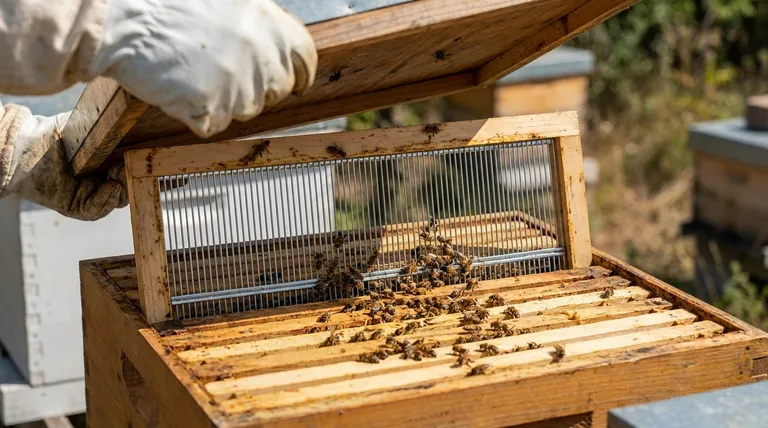
A perfect queen excluder maintains this precise bee space between the brood frames below and the honey supers above. It acts as a seamless corridor for worker bees.
This is where the material choice becomes critical.
The Metal Advantage: Structural Integrity
A metal excluder is rigid. It lies perfectly flat and does not warp or sag under the intense heat and weight of a productive hive. It guarantees the bee space is maintained, ensuring workers have unimpeded access to the honey supers. The system functions as designed.
The Plastic Flaw: Gradual Obstruction
A plastic excluder, subjected to summer heat and the weight of bees, inevitably begins to sag. That slight droop is enough to violate the bee space. The gap between the excluder and the top bars of the frames below shrinks.
For the worker bees, this sagging plastic becomes a physical and psychological barrier. Passage becomes difficult, slowing traffic and discouraging them from moving up into the supers. The hive's engine—its foraging workforce—is throttled by a failing piece of equipment.
The Cascading Costs of a Single Sag
The consequences extend beyond just reduced honey storage.
- Reduced Honey Yield: This is the most direct cost. Restricted access means fewer foragers depositing nectar in the supers.
- Increased Swarm Risk: If workers can't move honey up, they backfill the brood nest with nectar. This "honey-bound" condition restricts the queen's laying space and is a primary trigger for swarming—the loss of half your workforce.
- Inefficient Inspections: A sagging excluder is often glued down with propolis and burr comb, making hive inspections slower and more disruptive.
- Biosecurity Gaps: Metal excluders can be sterilized with a blowtorch, effectively eliminating pathogens like American Foulbrood spores. This is impossible with plastic, which can melt, making it a liability in any serious disease management protocol.
Choosing Predictability Over Price
The decision isn't just about durability; it's about controlling variables. Commercial beekeeping is a battle against countless environmental and biological uncertainties. The last thing an operator needs is self-inflicted uncertainty from failing equipment.
The table below starkly outlines the trade-offs:
| Feature | Plastic Queen Excluder | Metal Queen Excluder |
|---|---|---|
| Structural Integrity | Prone to warping and sagging | Rigid; maintains perfect bee space |
| Hive Efficiency | Can impede bee traffic, reducing yield | Ensures unimpeded access to honey supers |
| Long-Term ROI | Low; requires replacement | High; a one-time investment in productivity |
| Sterilization | Cannot withstand high heat | Easily sterilized with a torch for biosecurity |
| Ideal User | Hobbyist minimizing initial cost | Commercial apiary maximizing long-term profit |
While a plastic excluder might be a functional entry point for a hobbyist, for any operation focused on efficiency, reliability, and long-term value, the choice is clear.
The metal queen excluder is an elegant piece of engineering. Its value lies not in what it does, but in what it doesn't do: it doesn't warp, it doesn't sag, and it doesn't interfere with the fundamental biology of a healthy, productive honeybee colony. At HONESTBEE, we supply commercial apiaries with equipment built on this principle of unwavering reliability.
To ensure your equipment supports, rather than hinders, your hive's potential, you need tools designed for the unforgiving physics of the hive. Contact Our Experts
Visual Guide
Related Products
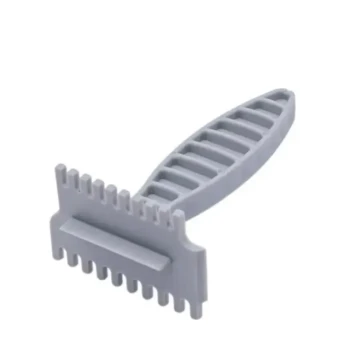
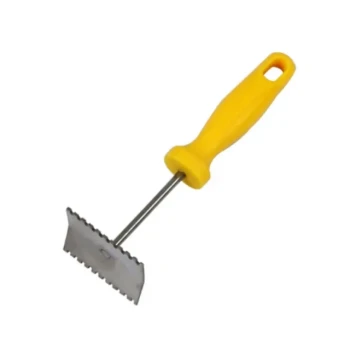
- Lightweight Durable Plastic Queen Excluder Scraper for Beekeeping
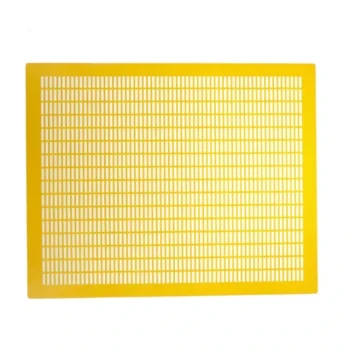
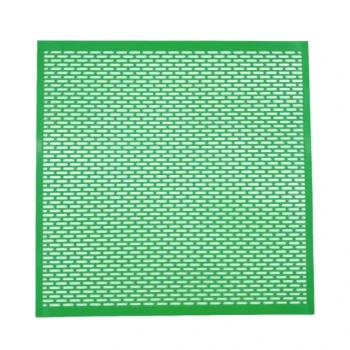
- Professional Plastic Queen Excluder for Modern Beekeeping
- High Performance Plastic Queen Excluder for Beekeeping and Apiary Management
- Metal Queen Bee Excluder for Beekeeping
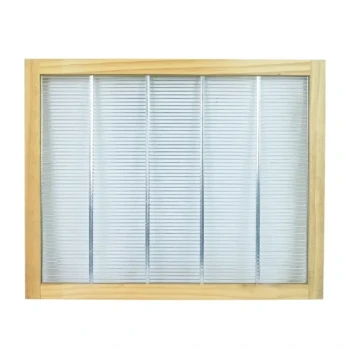
- Premium Wood Framed Metal Wire Queen Bee Excluder
Related Articles
- Plastic Queen Excluders vs. Alternatives: A Beekeeper’s Guide to Smarter Hive Management
- Why Plastic Queen Excluders Outperform Metal and Wood: Science, Savings, and Hive Protection
- How Plastic Queen Excluders Improve Hive Longevity and Colony Health
- How to Use Queen Excluders Without Sacrificing Honey Yield: A Beekeeper’s Guide
- The Unseen Gear: Why a Queen Excluder's Winter Placement Defines Beekeeper Efficiency