Queen excluders are essential tools for hive management, but their misuse can inadvertently reduce honey production. This guide explores practical strategies to balance brood control with optimal honey storage, drawing from commercial beekeeping insights and behavioral research.
Understanding the Honey Excluder Dilemma
How Queen Excluders Influence Worker Bee Behavior
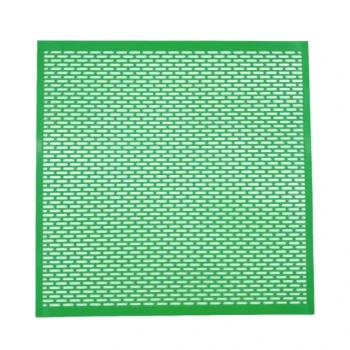
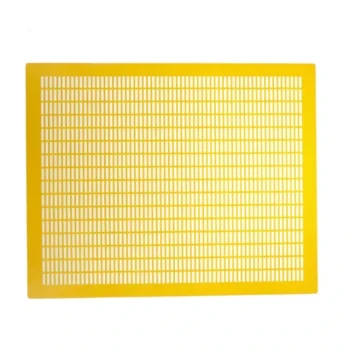
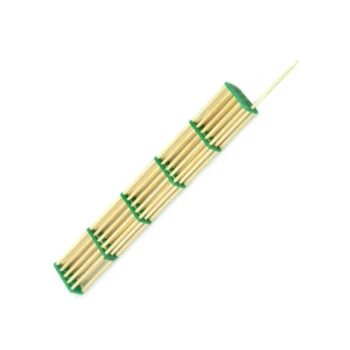
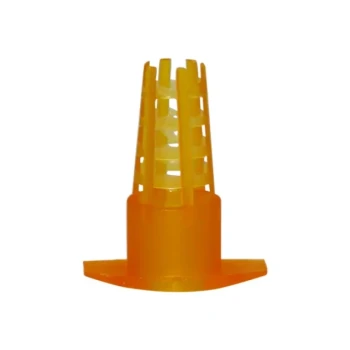
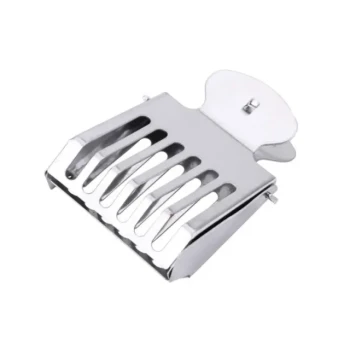
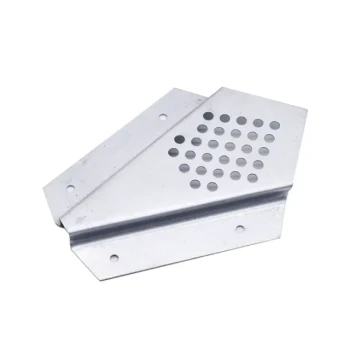
Queen excluders physically separate the brood chamber from honey supers, ensuring comb space isn’t occupied by eggs. However, studies show colonies react differently:
- Locally bred queens often maintain compact brood nests, making excluders less critical.
- Wild-caught bees may overproduce brood, benefiting from excluder use to redirect energy to honey storage.
Observations suggest worker bees occasionally resist crossing excluders, especially if the brood chamber feels overcrowded.
Key Factors That Determine Honey Storage Reluctance
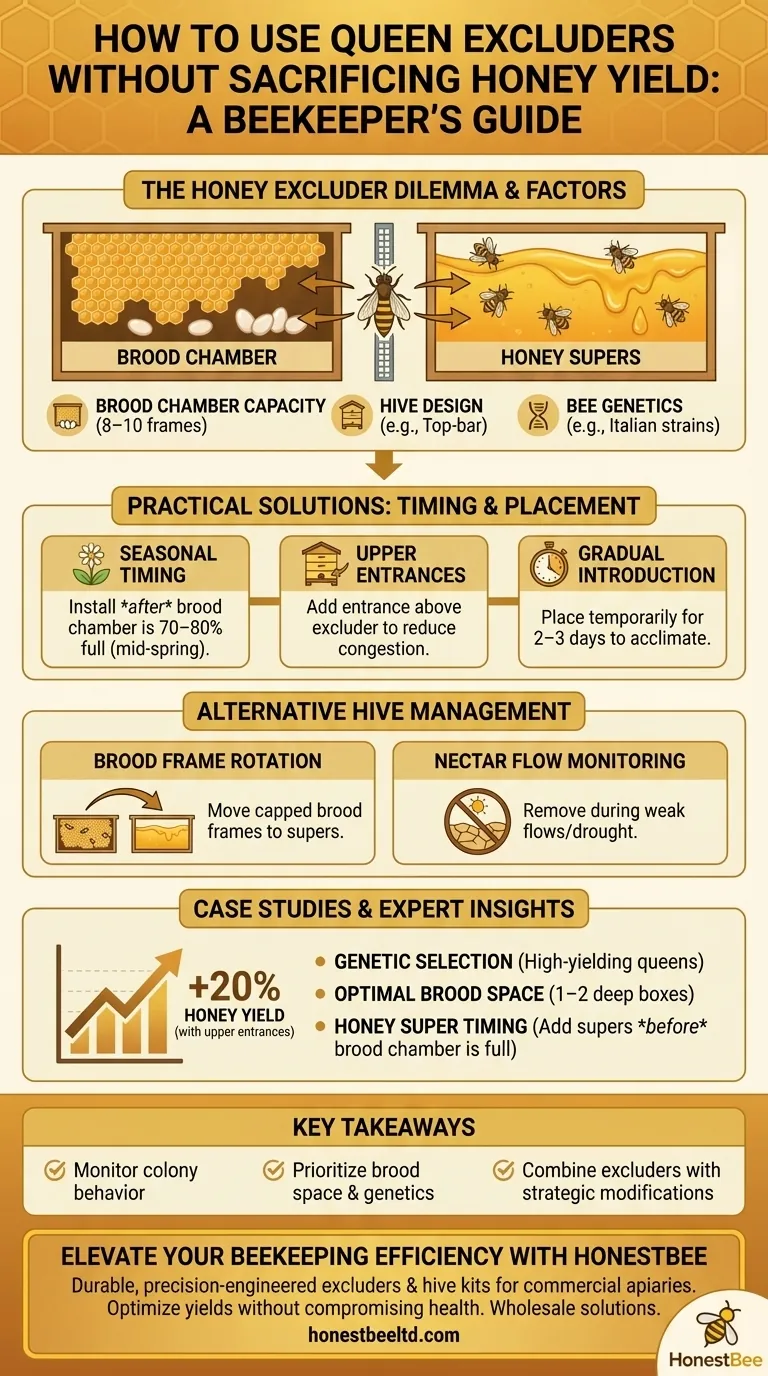
- Brood Chamber Capacity: Colonies with ample brood space (e.g., 8–10 frames) are more likely to utilize honey supers above excluders.
- Hive Design: Top-bar hives naturally segregate brood and honey, reducing reliance on excluders.
- Bee Genetics: Some strains, like Italian honey bees, adapt more readily to excluders than others.
Practical Solutions for Maximizing Production
Timing and Placement Best Practices
- Seasonal Timing: Install excluders after the brood chamber is 70–80% full, typically in mid-spring. Early placement can disrupt foraging momentum.
- Upper Entrances: Adding a small entrance above the excluder reduces congestion, encouraging bees to pass through.
- Gradual Introduction: Place the excluder temporarily for 2–3 days before permanent installation to acclimate the colony.
Alternative Hive Management Techniques
- Brood Frame Rotation: Periodically move frames with capped brood to honey supers to stimulate storage activity.
- Nectar Flow Monitoring: Remove excluders during weak flows (e.g., drought conditions) to prevent honey production stalls.
Case Studies and Expert Insights
Success Stories from Commercial Beekeepers
- A Minnesota apiary reported a 20% increase in honey yield after switching to excluders with upper entrances, citing reduced bee resistance.
- Australian beekeepers found that genetic selection (e.g., using queens from high-yielding colonies) minimized excluder-related bottlenecks.
Research-Backed Thresholds for Brood Chamber Capacity
- Optimal Brood Space: 1–2 deep boxes (or equivalent in frames) prevent honey supers from being ignored.
- Honey Super Timing: Adding supers before the brood chamber is full encourages bees to expand storage naturally.
Elevate Your Beekeeping Efficiency with HONESTBEE
Struggling to balance hive productivity and honey quality? HONESTBEE’s durable, precision-engineered excluders and hive kits help commercial apiaries and distributors optimize yields without compromising colony health. Explore our wholesale-focused solutions today—because smarter beekeeping starts with the right tools.
Key Takeaways:
- Monitor colony behavior to determine if/when excluders are needed.
- Prioritize brood chamber space and genetics to minimize worker bee resistance.
- Combine excluders with strategic hive modifications (e.g., upper entrances) for best results.
Products You Might Be Looking For:
Explore durable queen excluders for beekeeping
Visual Guide
Related Products
- High Performance Plastic Queen Excluder for Beekeeping and Apiary Management
- Professional Plastic Queen Excluder for Modern Beekeeping
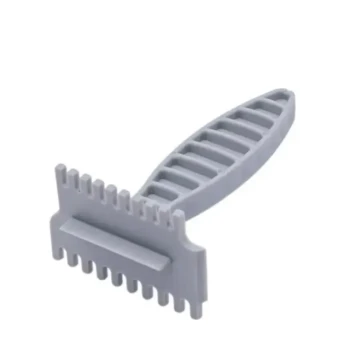
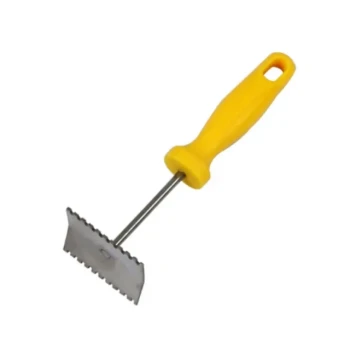
- Lightweight Durable Plastic Queen Excluder Scraper for Beekeeping
- Metal Queen Bee Excluder for Beekeeping
- Premium Wood Framed Metal Wire Queen Bee Excluder
Related Articles
- How Plastic Queen Excluders Improve Hive Longevity and Colony Health
- Plastic Queen Excluders vs. Alternatives: A Beekeeper’s Guide to Smarter Hive Management
- Why Plastic Queen Excluders Outperform Metal and Wood: Science, Savings, and Hive Protection
- How to Choose Queen Excluders Based on Colony Behavior and Queen Traits
- The Geometry of Order: Why the Queen Excluder is a Beekeeper's Most Strategic Tool