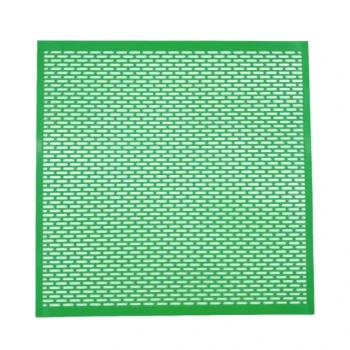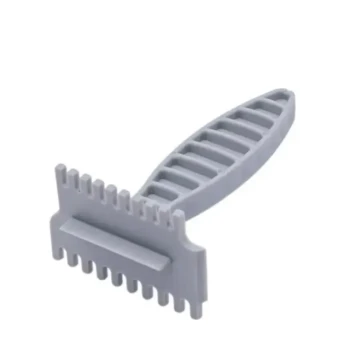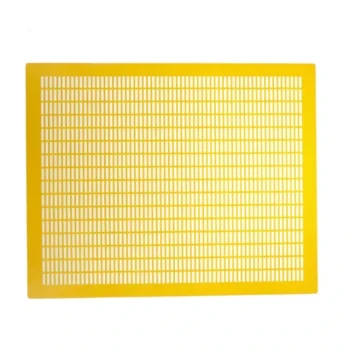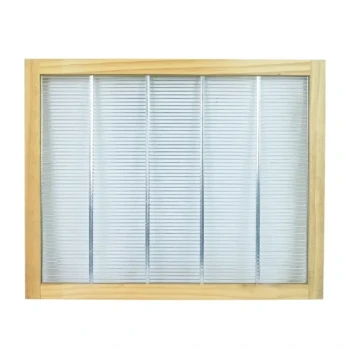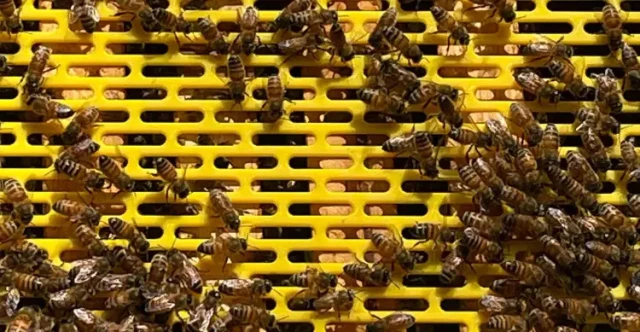
Modern beekeeping demands equipment that balances durability, pest resistance, and brood health support. Plastic queen excluders have emerged as a superior alternative to traditional metal and wood options, addressing critical pain points for commercial apiaries. Here’s why forward-thinking beekeepers are making the switch.
Advantages of Plastic Queen Excluders
Material Science: How Plastic Enhances Hive Longevity
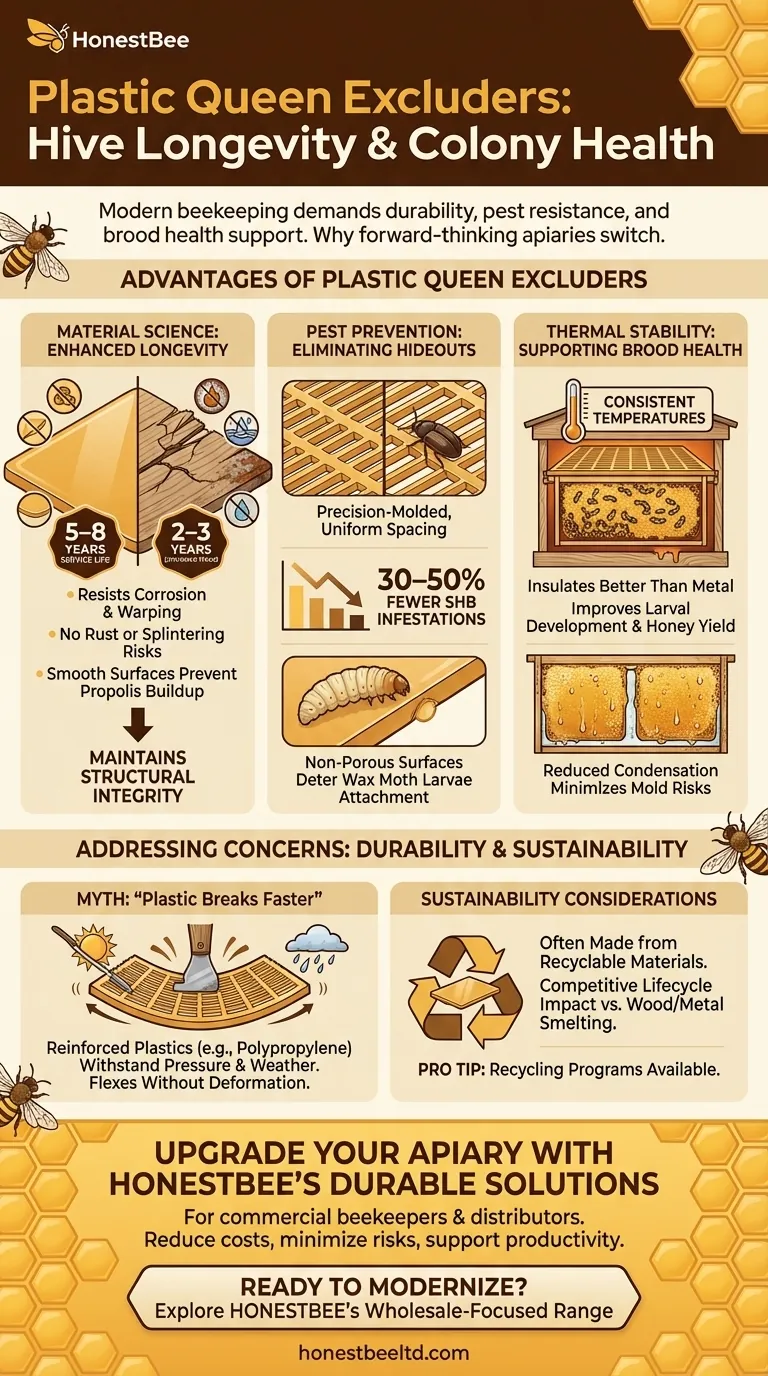
Plastic excluders resist corrosion and warping—two common failures of metal and wood. Unlike metal, which degrades when exposed to propolis and hive moisture, high-density plastics maintain structural integrity for years. Wood, while natural, absorbs moisture and requires frequent replacement.
Key benefits:
- 5–8 years of service life vs. 2–3 years for untreated wood
- No rust or splintering risks that harm worker bees
- Smooth surfaces prevent propolis buildup, reducing maintenance
Pest Prevention: Eliminating Hive Beetle Hideouts
Small hive beetles (SHB) exploit tiny gaps in metal excluders or cracks in wood. Plastic excluders are precision-molded with uniform spacing, leaving no room for pests to hide or lay eggs.
Research shows:
- Apiaries using plastic excluders report 30–50% fewer SHB infestations
- Non-porous surfaces deter wax moth larvae attachment
Thermal Stability: Supporting Brood Health and Honey Production
Plastic excluders insulate better than metal, which conducts heat away from the brood chamber. Consistent temperatures improve larval development and honey yield.
Observational data suggests:
- Colonies under plastic excluders show more uniform brood patterns
- Reduced condensation minimizes mold risks in stored honey supers
Addressing Concerns: Durability and Sustainability of Plastic
Myth: "Plastic Breaks Faster Than Metal"
Reinforced plastics (e.g., polypropylene) withstand hive tool pressure and extreme weather. Unlike brittle metals, they flex without permanent deformation.
Sustainability Considerations
Modern plastic excluders are often made from recyclable materials. When weighed against the carbon footprint of frequent wood replacements or metal smelting, their lifecycle impact is competitive.
Pro tip: Some manufacturers offer recycling programs for old excluders.
Upgrade Your Apiary with HONESTBEE’s Durable Beekeeping Solutions
For commercial beekeepers and distributors prioritizing hive health and operational efficiency, HONESTBEE’s plastic queen excluders deliver long-term value. Reduce replacement costs, minimize pest risks, and support colony productivity—all with equipment built to last.
Ready to modernize your beekeeping operation? Explore HONESTBEE’s wholesale-focused range today.
Visual Guide
Related Products
- High Performance Plastic Queen Excluder for Beekeeping and Apiary Management
- Lightweight Durable Plastic Queen Excluder Scraper for Beekeeping
- Professional Plastic Queen Excluder for Modern Beekeeping
- Plastic Queen Bee Excluder for Bee Hive Wholesale
- Professional Dual Action Queen Excluder Scraper for Beekeeping
Related Articles
- Plastic Queen Excluders vs. Alternatives: A Beekeeper’s Guide to Smarter Hive Management
- Why Plastic Queen Excluders Outperform Metal and Wood: Science, Savings, and Hive Protection
- How to Choose Queen Excluders Based on Colony Behavior and Queen Traits
- The Geometry of Order: Why the Queen Excluder is a Beekeeper's Most Strategic Tool
- How to Optimize Queen Excluders for Healthier Bees and Better Honey Harvests