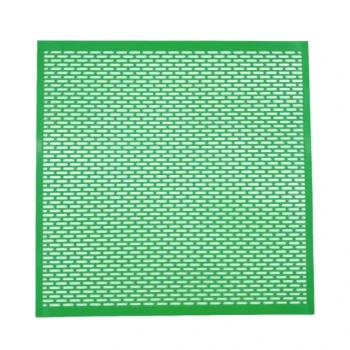
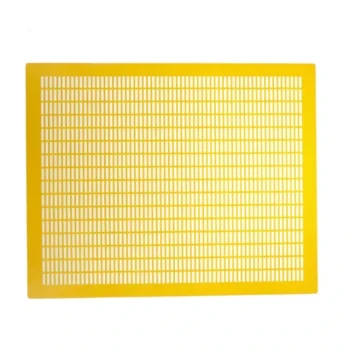
Beekeepers use queen excluders primarily to control the queen's movement, restricting her to the brood chamber and preventing her from entering the honey supers. This separation is critical for ensuring that honey frames remain free of eggs and larvae, which simplifies the extraction process and maintains the purity of the harvest.
Core Insight: The queen excluder is fundamentally a tool for segregation and efficiency. By keeping the brood nest separate from food stores, beekeepers can harvest honey faster, produce higher-quality wax, and locate the queen with significantly less effort.
Streamlining Honey Production
Preventing Brood in Honey Supers
The most common reason for using an excluder is to prevent the queen from laying eggs in the boxes designated for honey collection.
Without an excluder, the queen may move upward and lay eggs in the honey supers. This forces the beekeeper to sort through frames during harvest to ensure no brood is present, slowing down the operation.
Enhancing Wax and Honey Quality
Keeping the brood separate results in cleaner, higher-value hive products.
Wax comb produced in supers protected by an excluder is typically lighter in color, which can fetch a higher market price. Furthermore, because bees store pollen near the brood, excluding the queen keeps the honey supers relatively free of pollen and other impurities.
Increasing Harvest Speed
For commercial operations, time is money.
When an excluder is used, beekeepers can remove honey boxes quickly without inspecting individual frames for brood. This efficiency is vital for large-scale honey production where minimizing labor time per hive is essential.
Simplifying Colony Management
Locating the Queen
Confining the queen to a specific area makes finding her significantly easier.
Instead of searching through the entire hive, the beekeeper only needs to inspect the brood chamber. This is particularly useful for tasks such as re-queening, checking for disease, or general monitoring.
The Isolation Method
Beekeepers can use excluders as a diagnostic tool to locate a hard-to-find queen.
By placing an excluder between two hive bodies and waiting three days, a beekeeper can identify which box contains the queen by looking for fresh eggs. The queen is guaranteed to be in the box where new egg-laying has occurred.
Advanced Breeding Techniques
Queen Rearing Applications
Excluders are utilized in specialized breeding methods to raise new queens within an active hive.
They allow queen cells to be built in a colony that already possesses a queen, or permit the housing of multiple queens in a single hive structure. This advanced management allows for population growth or genetic propagation without splitting the colony entirely.
Understanding the Trade-offs
Operational Needs vs. Expense
The decision to use an excluder is relative to the beekeeper's specific goals.
While valuable for honey production, excluders represent an additional expense and management step. Commercial beekeepers focused on pollination rather than honey harvesting may find the cost and hassle outweigh the benefits.
Making the Right Choice for Your Goal
Whether an excluder adds value depends entirely on what you are trying to achieve with your apiary.
- If your primary focus is honey production: Use an excluder to ensure brood-free supers, cleaner wax, and faster harvesting.
- If your primary focus is backyard management: Use an excluder to make hive inspections less intimidating by ensuring the queen is easy to locate.
- If your primary focus is commercial pollination: You may choose to skip the excluder to reduce equipment costs and labor, as pure honey separation is less critical.
Use the excluder as a strategic tool to support your specific operational targets, not just as a default addition to the hive.
Summary Table:
| Feature | Primary Benefit | Why It Matters |
|---|---|---|
| Brood Control | Restricts laying to brood chamber | Keeps honey supers clean and larvae-free |
| Product Quality | Prevents pollen/brood contamination | Produces lighter, high-value wax and pure honey |
| Harvest Speed | Eliminates frame-by-frame inspection | Saves labor time for commercial-scale operations |
| Queen Management | Limits search area | Makes re-queening and health checks faster |
| Breeding Support | Enables queen rearing | Allows for genetic propagation within active colonies |
Scale Your Apiary with HONESTBEE Professional Solutions
Optimizing your honey yield and operational speed requires the right tools. At HONESTBEE, we specialize in supporting commercial apiaries and distributors with a comprehensive range of high-quality beekeeping equipment. From precision queen excluders to advanced honey-filling machines and hive-making hardware, we provide the wholesale supplies you need to grow your business.
Ready to enhance your production efficiency? Contact HONESTBEE today to discuss our bulk equipment solutions and see how our expertise can benefit your beekeeping operations.
Related Products
- High Performance Plastic Queen Excluder for Beekeeping and Apiary Management
- Professional Plastic Queen Excluder for Modern Beekeeping
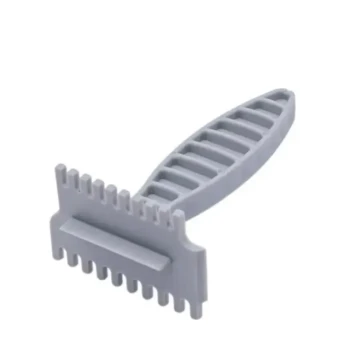
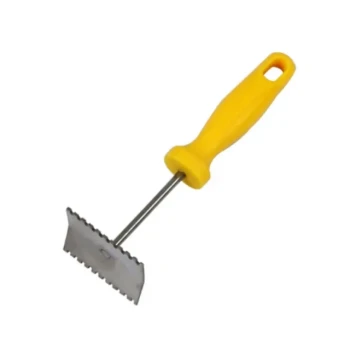
- Lightweight Durable Plastic Queen Excluder Scraper for Beekeeping
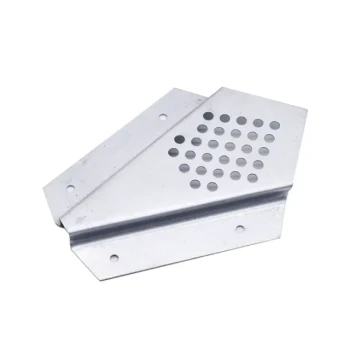
- Metal Queen Bee Excluder for Beekeeping
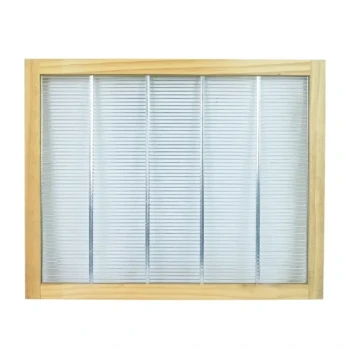
- Premium Wood Framed Metal Wire Queen Bee Excluder
People Also Ask
- What are the characteristics of a plastic queen excluder? Key Benefits for Cost-Effective Beekeeping
- What are the operational and cost advantages of using plastic queen excluders over metal or wire excluders in commercial hive management? Discover how they reduce labor, prevent wing damage, and lower total costs.
- What types of queen excluders are available for beekeepers? Choose the Right Tool for Your Hive
- Why are standardized hive frames and queen excluders essential for maintaining honey purity and quality? Scale Your Purity
- Do plastic queen excluders work? A Cost-Effective Solution for Modern Apiaries