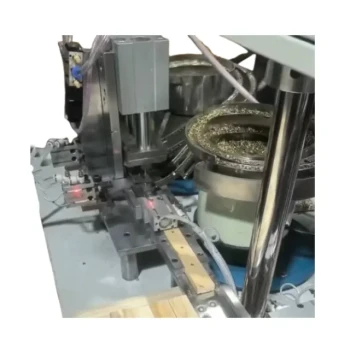
The application of intricate designs is achieved through the use of specialized embossing tools integrated directly into the machine's mechanical structure. These machines utilize customized rolls, plates, or stamps to physically press specific textures—most notably hexagonal honeycomb patterns—onto the surface of a prepared beeswax sheet. This process relies on mechanical pressure to displace the wax, transforming a flat surface into a raised, three-dimensional relief.
The core function of the machine is not merely surface decoration, but the structural transformation of the sheet. By applying precise pressure through embossing tools, the machine converts flat, refined beeswax into functional foundation sheets that significantly accelerate comb construction within the colony.
The Mechanics of Embossing
Customized Tooling
The primary mechanism for applying designs involves precision-engineered tools. Depending on the machine type, these may take the form of rotating rolls, flat plates, or heavy stamps.
Creating the Impression
These tools are customized with specific patterns, textures, or cell imprints. As the tool contacts the wax, it transfers the negative of these patterns onto the sheet.
The Role of Pressure
The machine applies significant force to press the tool onto the flat wax surface. This results in the immediate formation of raised patterns, creating the walls and bases of the honeycomb cells.
From Raw Wax to Patterned Sheet
Initial Flattening
Before a design can be applied, the wax must be prepared as a consistent "canvas." The machine first flattens the beeswax using rollers or a press mechanism.
Ensuring Uniformity
This pre-embossing step ensures the creation of a smooth and uniform beeswax sheet. Without this uniform thickness, the subsequent embossing would be uneven, rendering the foundation less effective.
The Final Imprint
Once flat, the wax is subjected to the embossing tools. This final step transforms the refined beeswax into a foundation sheet, embossed with the hexagonal patterns of honeycomb cell bases necessary for apiary use.
Critical Factors for Success
Temperature and Consistency
While the machine handles the physical embossing, the state of the wax is paramount. The wax must be cooled enough to hold a shape (often solidified in molds beforehand) but pliable enough to accept the stamp without cracking.
Pressure Calibration
The machine relies on the correct application of force. If the pressure is too light, the cell imprints will be shallow and undefined; if too heavy, the sheet may tear or become too thin to support the colony's work.
Material Purity
The supplementary context highlights that wax must be filtered to a desired purity before processing. Impurities in the wax can damage the precision embossing rolls or plates, leading to defects in the final pattern.
Making the Right Choice for Your Goal
Whether you are automating a commercial operation or processing wax for a small apiary, understanding the tooling is essential.
- If your primary focus is high-volume efficiency: Prioritize machines that utilize rollers, as they can continuously flatten and emboss sheets in a single, fluid motion.
- If your primary focus is precise, deep extraction: Ensure your process includes a strict flattening phase before embossing to guarantee the uniformity required for consistent cell depth.
By controlling the pressure and ensuring the quality of your embossing tools, you turn raw beeswax into a high-value resource that directly supports the health and speed of your colony.
Summary Table:
| Stage | Process | Key Component | Purpose |
|---|---|---|---|
| Preparation | Initial Flattening | Rollers / Press | Creates a smooth, uniform canvas of consistent thickness. |
| Transformation | Embossing | Precision Tooling | Transfers hexagonal patterns/cell imprints onto the wax. |
| Calibration | Pressure Control | Mechanical Force | Ensures deep, defined cell walls without tearing the sheet. |
| Conditioning | Thermal Management | Temperature Control | Keeps wax pliable enough for stamping but firm enough to hold shape. |
Elevate Your Apiary Production with HONESTBEE
Are you looking to scale your beeswax foundation production? HONESTBEE specializes in serving commercial apiaries and distributors with premium wholesale solutions. From high-precision hive-making machinery to advanced honey-filling systems, we provide the full spectrum of beekeeping tools and industry consumables.
Our expert-engineered embossing technology ensures your foundation sheets meet the highest standards of structural integrity and uniformity. Partner with a supplier that understands the complexities of the beekeeping industry—from specialized hardware to honey-themed cultural merchandise.
Ready to optimize your workflow? Contact HONESTBEE Today to discuss our comprehensive equipment solutions and wholesale offerings!
Related Products
- Beeswax Machine Press Embosser Wax Foundation Mold Printer Bee Hive Equipment Making Sheet
- Fully Automatic Beeswax Embossing Machine Foundation Mill
- Electric Flatting and Embossing Machine with Tray for Beekeeping
- Economy Manual Beeswax Embossing Mill Wax Foundation Machine Roller
- Manual Beeswax Comb Foundation Machine Wax Foundation Mill Embossing Machine
People Also Ask
- What equipment is needed to make beeswax foundation? A Guide to DIY Wax Sheet Production
- What miscellaneous equipment is needed for making foundation? A Guide to the Essential Tools
- What miscellaneous equipment is useful when making beeswax foundation? Essential Support Tools for Beekeepers
- What specific equipment is required for making beeswax foundation? Essential Tools for High-Quality Production
- What is the recommended temperature for melting beeswax to make foundation sheets? Master the 70°C-80°C Ideal Range