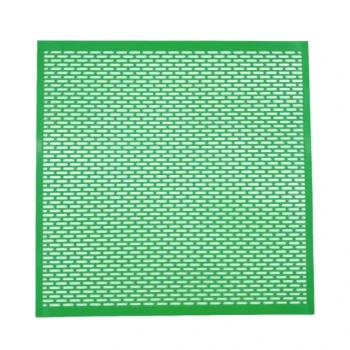
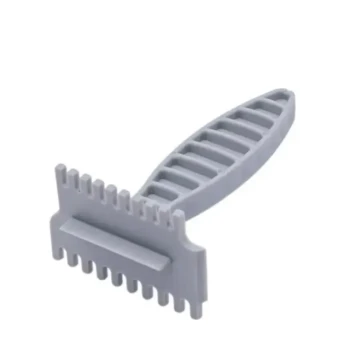
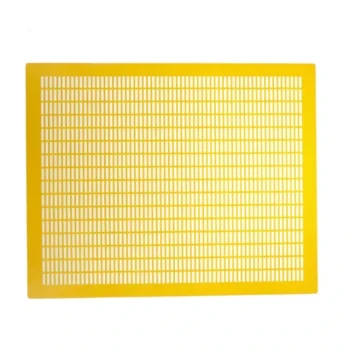
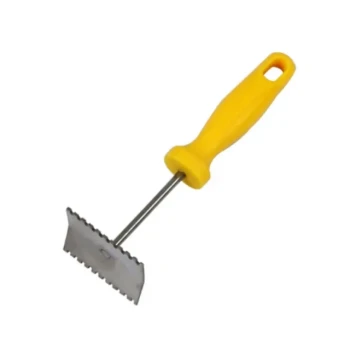
In queen breeding, the queen excluder functions as a biological separator rather than just a honey barrier. It is primarily used to isolate specific zones within the hive, allowing beekeepers to raise new queen cells in a colony that already has a laying queen, or to house multiple queens safely within a single vertical stack.
The queen excluder transforms a hive from a single-unit organism into a multi-zone management system. By physically segregating the laying queen, breeders can manipulate the colony's instincts to rear new queens or double brood production without disrupting the hive's overall cohesion.
Strategies for Propagation and Population
The use of excluders in breeding goes beyond simple containment. It allows for the manipulation of hive demographics and queen behavior.
Raising Cells in Queen-Right Colonies
The primary reference highlights that excluders allow queen cells to be built in a hive containing an existing queen.
Normally, a queen will destroy rival queen cells. By placing a queen excluder between the brood nest (where the queen is) and a dedicated rearing box, beekeepers can simulate a state of queenlessness in the upper box.
This allows the nurse bees above the excluder to feed and build queen cells, while the laying queen below continues to maintain the colony's population.
The Multi-Queen System
Excluders are the foundational tool for running "two-queen" systems.
In this configuration, an excluder is placed between two brood nests. This allows two queens to lay eggs in the same stack without coming into contact and fighting.
This method effectively doubles the brood production, resulting in massive populations that can be advantageous for splitting hives later or maximizing workforce for specific flows.
Operational Advantages in Breeding Management
While often associated with honey production, the benefits of confinement cited in the supplementary references translate directly to breeding efficiency.
Rapid Queen Location
Breeding requires frequent access to the queen to assess her laying pattern or to graft larvae.
Confining the queen to a specific box (or below the excluder) eliminates the need to search the entire hive. This significantly reduces the time the hive is open, lowering stress on the colony during delicate breeding operations.
Disease and Quality Control
By restricting the queen's movement, you ensure that specific frames remain brood-free.
This is critical for organization. It ensures that when you pull frames for resources or honey, you are not accidentally removing the queen or damaging developing brood. It also assists in easier inspection for diseases, as the brood is concentrated in a known location.
Understanding the Trade-offs
While useful, introducing an excluder creates an artificial barrier that must be managed.
The "Honey Barrier" Effect
Some colonies are reluctant to cross the excluder. As noted in the supplementary texts, bees may be less inclined to move through the grid to store honey or tend to combs.
In a breeding context, if nurse bees do not move freely across the excluder to the queen cells, the developing queens may be underfed or neglected.
Maintenance and Monitoring
Using an excluder does not mean you can ignore the rest of the hive.
Because the queen is confined, the brood nest can become congested quickly. This requires vigilant management to ensure the queen has enough space to lay; otherwise, the colony may prepare to swarm.
Making the Right Choice for Your Goal
The excluder is a tool of precision. Your specific breeding objective should dictate how you deploy it.
- If your primary focus is Queen Rearing: Use the excluder to separate the laying queen from the graft frame, allowing you to raise cells without making the hive hopelessly queenless.
- If your primary focus is Population Growth: Use the excluder to separate two brood chambers, enabling a multi-queen system that rapidly increases the colony workforce.
Success in queen breeding relies on using the excluder not just to restrict the queen, but to strategically direct the colony's resources.
Summary Table:
| Application | Purpose in Queen Breeding | Primary Benefit |
|---|---|---|
| Queen-Right Rearing | Separates the queen from graft frames | Allows cell building without removing the existing queen |
| Multi-Queen Systems | Isolates two queens in a single vertical stack | Doubles brood production and colony population |
| Stock Management | Confines the queen to a specific brood box | Rapid queen location and easier hive inspections |
| Organization | Ensures specific frames remain brood-free | Protects developing queen cells and simplifies resource harvesting |
Elevate Your Breeding Operation with HONESTBEE
Maximize your apiary's productivity with high-quality equipment designed for precision. HONESTBEE serves commercial apiaries and distributors with a comprehensive wholesale range, from durable queen excluders and specialized beekeeping tools to advanced honey-filling and hive-making machinery. Whether you are scaling your queen breeding program or stocking essential industry consumables, our portfolio provides the reliability your business demands.
Contact HONESTBEE today to discuss wholesale solutions and custom equipment orders.
Related Products
- High Performance Plastic Queen Excluder for Beekeeping and Apiary Management
- Lightweight Durable Plastic Queen Excluder Scraper for Beekeeping
- Premium Wood Framed Metal Wire Queen Bee Excluder
- Professional Plastic Queen Excluder for Modern Beekeeping
- Metal Queen Bee Excluder for Beekeeping
People Also Ask
- What are the characteristics of a plastic queen excluder? Key Benefits for Cost-Effective Beekeeping
- What are the operational and cost advantages of using plastic queen excluders over metal or wire excluders in commercial hive management? Discover how they reduce labor, prevent wing damage, and lower total costs.
- What types of queen excluders are available for beekeepers? Choose the Right Tool for Your Hive
- Why are standardized hive frames and queen excluders essential for maintaining honey purity and quality? Scale Your Purity
- Do plastic queen excluders work? A Cost-Effective Solution for Modern Apiaries