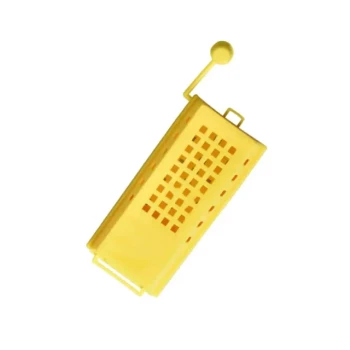
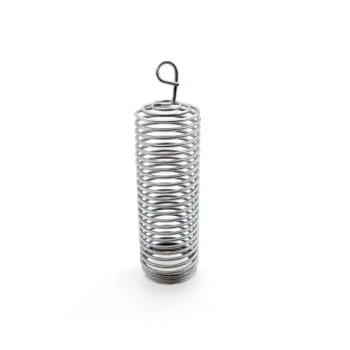
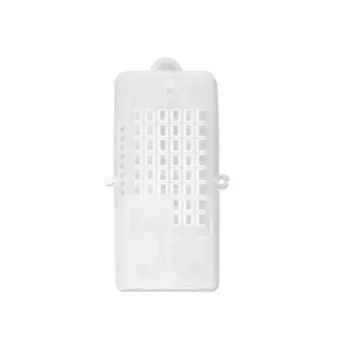
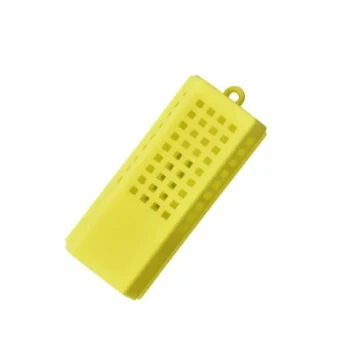
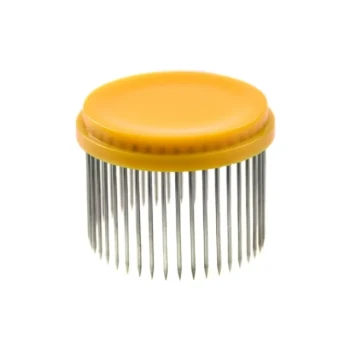
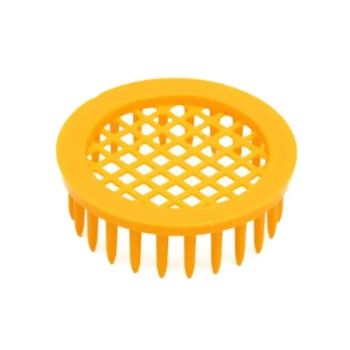
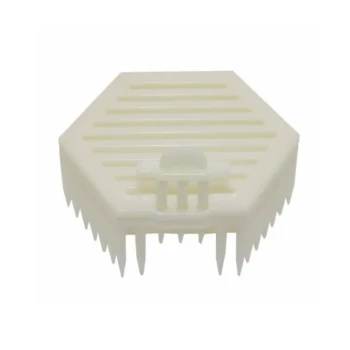
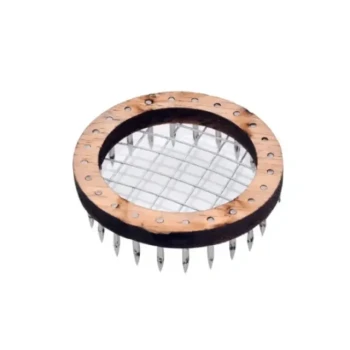
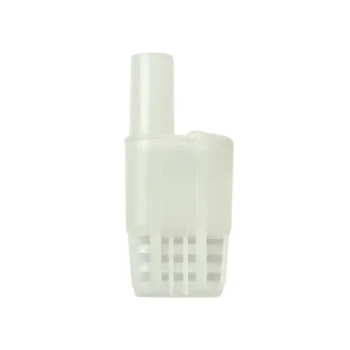
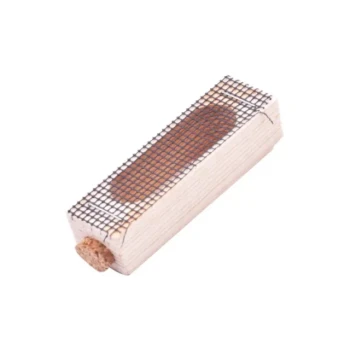
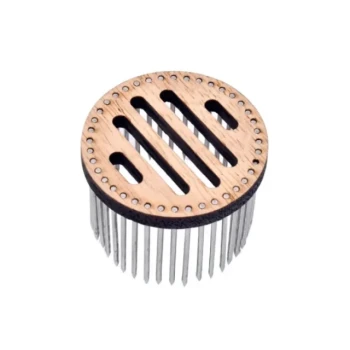
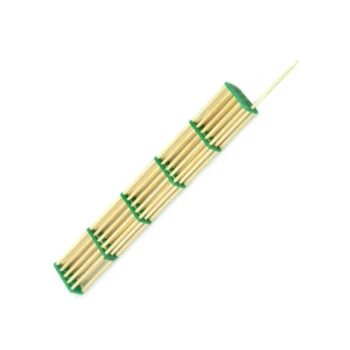
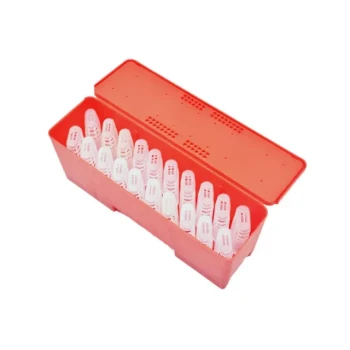
The Scalvini Queen Cage is primarily used as a protective acclimation tool during the introduction of a queen bee. To use it, you place the queen inside the cage and insert the entire unit directly into the hive. This creates a secure environment where worker bees can gradually adjust to the new queen's pheromones without having physical access to harm her.
Core Takeaway: The success of introducing a new queen relies on patience and pheromone integration, not speed. The Scalvini Queen Cage functions as a critical buffer, allowing the colony to accept the queen's scent as their own before the physical barrier is removed.
The Mechanics of Safe Introduction
The primary goal of using a Scalvini cage is to manage the interaction between the new queen and an established colony.
Creating a Pheromone Buffer
The cage is designed to allow air and scent to pass through while restricting contact. Upon insertion, the cage acts as an odor buffer, enabling the worker bees to sense the queen's presence immediately. This exposure allows the workers to gradually become accustomed to her specific pheromones, which is the key factor in colony acceptance.
The Physical Barrier
Rejection is a significant risk when introducing a foreign queen, often resulting in the workers balling (attacking) and killing her. The Scalvini cage serves as a robust physical protective barrier. It prevents aggressive workers from reaching the queen while she is vulnerable, particularly if she carries the scent of new marking paint or simply smells "foreign" to the hive.
Interaction Through the Mesh
While the queen is isolated, the mesh design permits safe, initial contact. Worker bees can approach the cage to investigate the queen. This strictly controlled interaction allows the colony to transition from hostility or curiosity to acceptance.
The Release Process
Once the cage is inserted, the process shifts to the timing of the release.
Passive Release via Candy Plugs
Many introduction cages, including those used in this context, utilize a candy plug as a timing mechanism. The worker bees must eat through this candy barrier to free the queen. This process typically takes 1 to 2 days, creating a mandatory delay that ensures pheromones have diffused sufficiently before the queen exits.
Manual Release Timing
If a candy plug is not used, beekeepers may opt for a manual release by removing a cork or opening the cage. It is critical to wait until the bees show signs of acceptance before doing this. A recommended observation period allows the bees to settle; usually, you should allow at least an hour of pheromone acclimation, though longer periods (days) are generally safer for survival.
Common Pitfalls to Avoid
Even with a high-quality cage like the Scalvini, the introduction process involves variables that must be managed.
Rushing the Release
The most common error is releasing the queen before the colony has fully accepted her scent. If the workers have not had sufficient time—typically 1 to 2 days—to consume a candy plug or acclimatize, they will likely reject the queen. Patience is the single most important factor in survival rates.
Disturbing the Interface
When checking the cage or preparing for manual release, you must be extremely careful not to disturb the mesh screen. Agitating the bees during this delicate phase can trigger a defensive response. Sudden movements or jarring the cage can cause the workers to associate the new queen with a threat.
Making the Right Choice for Your Goal
When planning your queen introduction, consider your specific constraints and resources.
- If your primary focus is Maximum Safety: Utilize a candy plug mechanism to force a 1-2 day delay, ensuring the colony is thoroughly thoroughly saturated with the queen's pheromones before physical contact occurs.
- If your primary focus is Observation: Ensure you leave the cage in place long enough for the workers to stop biting the mesh and start feeding the queen, confirming their aggression has subsided.
By prioritizing pheromone integration over immediate release, you secure the genetic future of your hive.
Summary Table:
| Feature | Purpose in Queen Introduction | Key Benefit |
|---|---|---|
| Pheromone Buffer | Allows scent diffusion through mesh | Facilitates colony acclimation to the new queen |
| Physical Barrier | Prevents direct contact between workers and queen | Protects the queen from aggressive 'balling' or attacks |
| Candy Plug | Mandatory delay mechanism (1-2 days) | Ensures natural, timed release for higher success rates |
| Interaction Mesh | Allows safe investigate contact | Lets beekeepers observe worker behavior before release |
Elevate Your Beekeeping Success with HONESTBEE
At HONESTBEE, we understand that a successful queen introduction is the heartbeat of a productive hive. As a premier provider for commercial apiaries and distributors, we offer a comprehensive wholesale range of high-quality beekeeping tools, machinery, and essential consumables.
Whether you need specialized Scalvini cages, advanced honey-filling machines, or durable hive-making equipment, we provide the industrial-grade solutions required to scale your operations. Partner with us to access professional-tier hardware and expert support tailored to the needs of large-scale beekeeping.
Ready to optimize your apiary’s efficiency? Contact HONESTBEE Today for Wholesale Inquiries
Related Products
- Professional Queen Cage with Sliding Gate and Feeder Plug
- Professional Queen Bee Introduction and Transport Cage
- Durable Galvanized Steel Spring Queen Bee Cage
- Professional Multi-Functional Queen Bee Cage
- Professional Multi-Compartment Queen Cage with Sliding Lid
People Also Ask
- Why are specialized queen bee cages used for the banking of mated queen bees? Maximize Commercial Apiary Storage Efficiency
- What is the mechanism of action for using temporary queen bee cages? Master Successful Queen Introduction
- How is a queen bee released from a queen cage? Ensure Safe Colony Integration & Hive Success
- What is the step-by-step process for installing a queen bee's cage onto a frame? Ensure Hive Acceptance Safely
- What technical precaution must be taken regarding the mesh or grill side of a queen bee cage? Ensure Queen Survival