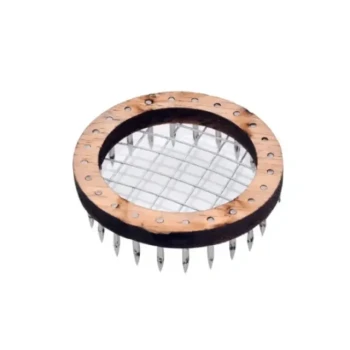
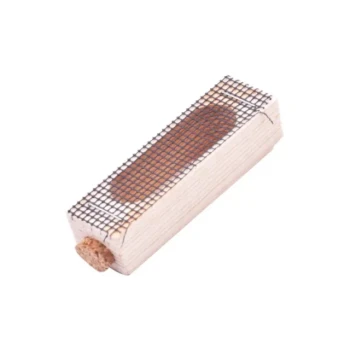
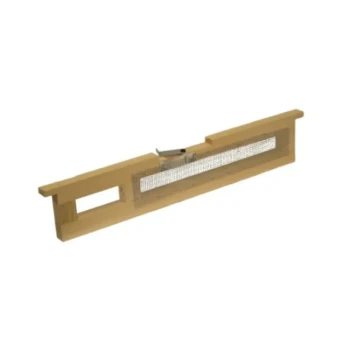
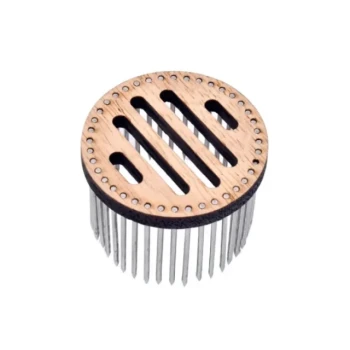
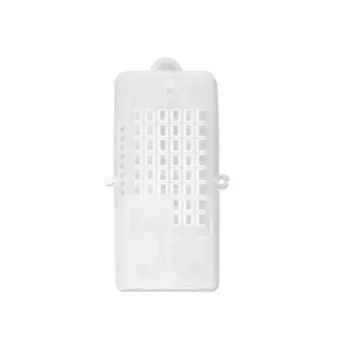
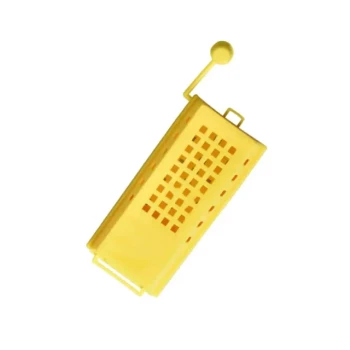
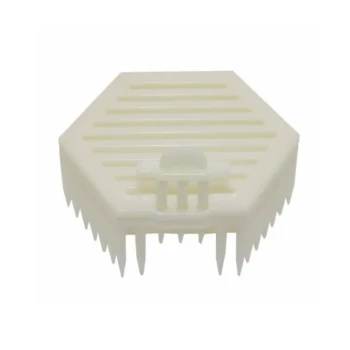
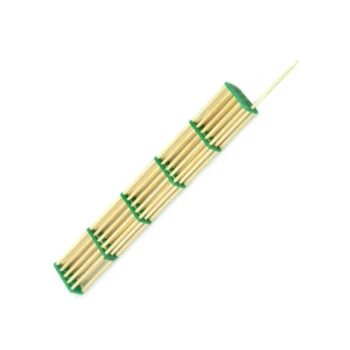
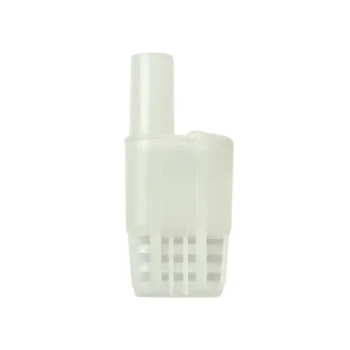
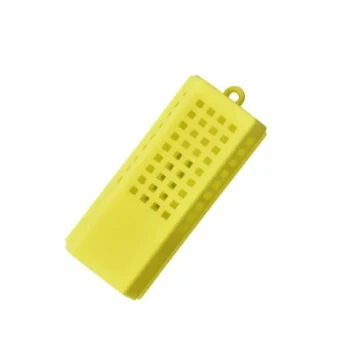
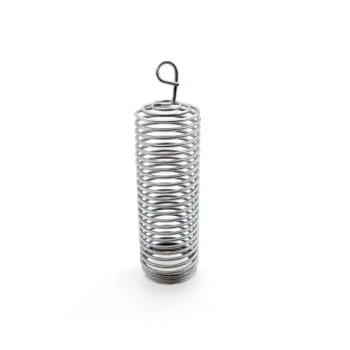
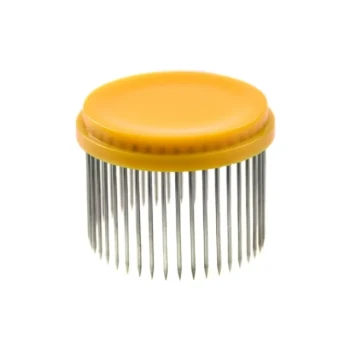
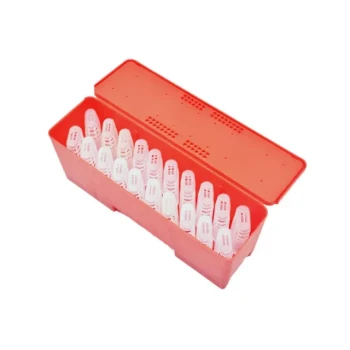
During the emergence stage of honeybee queen rearing, small wooden queen cages serve as essential isolation units used to secure newly hatched virgins. These devices are primarily utilized to physically separate queens to prevent lethal combat, while simultaneously protecting them from aggressive worker bees and facilitating health assessments before final distribution.
The Core Objective In a multi-queen rearing environment, the natural instinct of a newly emerged queen is to eliminate all rivals. Wooden cages suppress this instinct by providing physical barriers that preserve the lives of the queens, allowing the beekeeper to evaluate, weigh, and manage them safely.
Ensuring Queen Survival
Preventing Fratricide
The most immediate function of the wooden cage is to prevent lethal combat. When multiple queens emerge simultaneously in a rearing colony, they will naturally seek out and kill one another until only one remains.
Protection from Worker Aggression
Newly emerged queens are vulnerable not just to rivals, but to the colony itself. The cage protects the virgin queen from being "balled" (suffocated or stung) by worker bees who may not yet accept her presence or pheromone profile.
Evaluation and Quality Control
Assessing Vitality
Confinement in the cage allows the beekeeper to perform visual inspections of the queen. You can easily observe her movement and physical condition to ensure she is healthy and vigorous before investing further resources in her.
Measuring Body Weight
The cage transforms the queen into a manageable unit for data collection. It facilitates the measurement of body weight, a critical metric often used to gauge the potential reproductive quality of the queen.
Operational Logistics
Facilitating Requeening
The wooden cage acts as a transition tool. Because the queen is already secured, introducing her into a queenless hive for requeening becomes a streamlined process that minimizes direct handling and the risk of injury.
Commercial Shipping
For large-scale operations, these cages often serve a dual purpose. Once vitality is confirmed, the same wooden cage is frequently utilized for commercial shipping, protecting the queen during transport to a new apiary.
Understanding the Trade-offs
Restricted Movement
While isolation is necessary for survival, the cage restricts the natural movement of the queen. This is a temporary measure intended strictly for the emergence and holding phase, as the queen cannot mate or perform colony functions while confined.
Resource Dependence
The queen inside the cage is entirely dependent on external care. While the cage protects her, it also isolates her from direct access to resources, meaning the mesh or openings must allow worker bees to feed her or she must have provisions (candy) included.
How to Apply This to Your Project
To maximize the utility of wooden queen cages, match their use to your specific operational goals:
- If your primary focus is Genetic Preservation: Use the cages immediately upon emergence to ensure zero losses due to fighting between high-value virgin queens.
- If your primary focus is Quality Assurance: Utilize the confinement period to weigh every queen, culling those that do not meet your specific weight benchmarks before mating.
Proper use of these cages turns a chaotic emergence period into a controlled, measurable process.
Summary Table:
| Feature | Function in Emergence Stage | Benefit for Beekeepers |
|---|---|---|
| Physical Isolation | Prevents lethal combat between rival virgins | Ensures survival of all emerged queens |
| Screened Barrier | Protects the queen from worker bee aggression ("balling") | Reduces mortality rates during introduction |
| Manageable Unit | Facilitates visual inspection and weight measurement | Enables precise quality control and culling |
| Containment | Acts as a transition tool for shipping or requeening | Simplifies logistics and minimizes handling injury |
Elevate Your Queen Rearing Operation with HONESTBEE
To achieve professional-grade success in queen rearing, having the right tools for isolation and evaluation is critical. HONESTBEE is dedicated to supporting commercial apiaries and distributors by providing a comprehensive wholesale selection of beekeeping equipment.
From durable wooden queen cages and specialized hive-making machinery to advanced honey-filling systems and industry consumables, we deliver the hardware and expertise needed to scale your business. Partner with us to enhance your production efficiency and ensure the highest quality for your customers.
Ready to upgrade your apiary’s equipment? Contact us today to discuss your wholesale needs!
References
- Rabeea F. Omar, H Salam. Effect of thermal insulation and feeding treatments on early spring honey bee queen rearing. DOI: 10.21608/assjm.2016.104126
This article is also based on technical information from HonestBee Knowledge Base .
Related Products
- Wood and Mesh Push-In Queen Cage
- Classic Wooden and Mesh California Queen Cage
- Professional Wooden Requeening Frame for Beekeeping
- Premium Wood and Steel Push In Queen Cage
- Professional Multi-Functional Queen Bee Cage
People Also Ask
- When is a queen introduced with a push-in cage ready for full release? Key Signs for Maximum Colony Acceptance
- How are queen cages used to protect newly hatched queens? Secure Your Virgin Queens During Development
- Why are queen cages or grid cages used in bee studies? Achieve Precise Biological Data for Research
- What advantages do push-in queen cages offer? Boost Acceptance Rates for Artificially Inseminated Queens
- What is a push-in queen cage and how does it differ from a standard queen cage? Boosting Your Queen Acceptance Rates