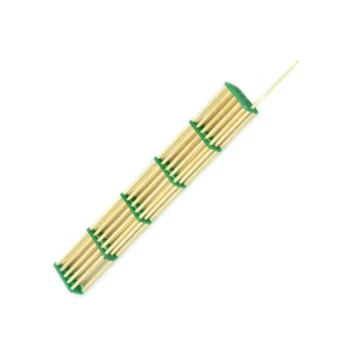
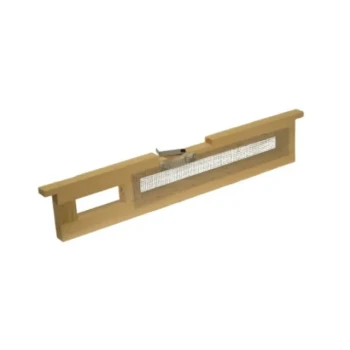
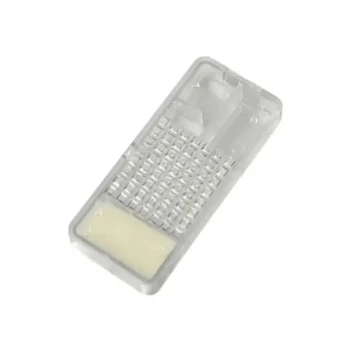
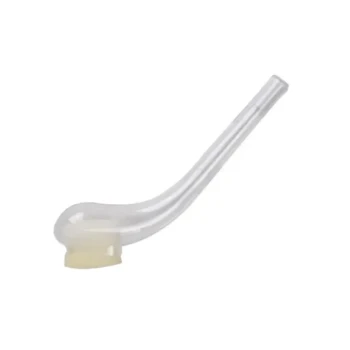
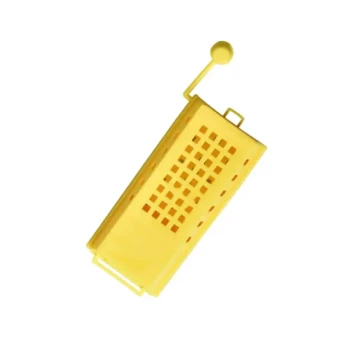
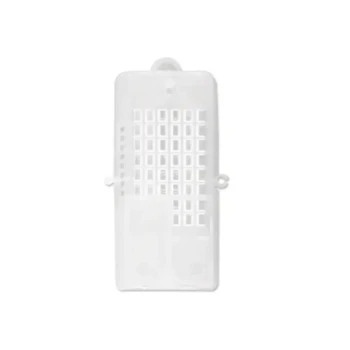
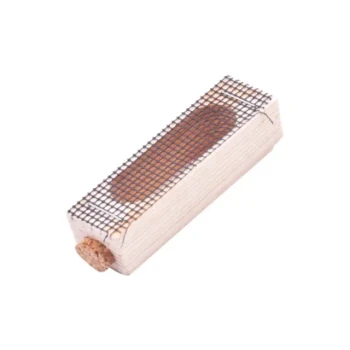
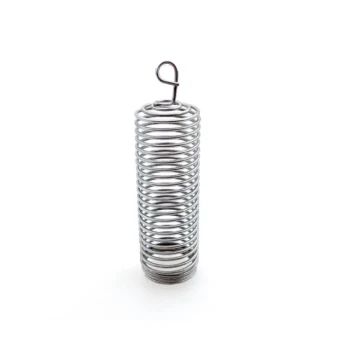
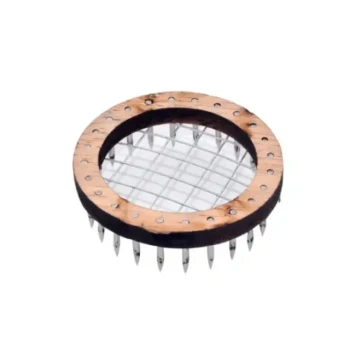
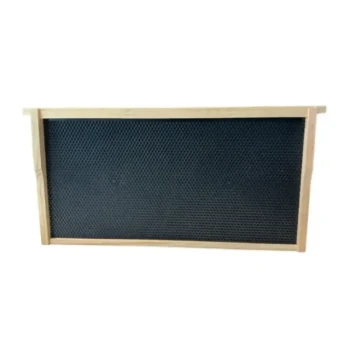
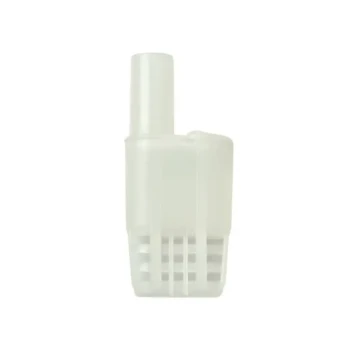
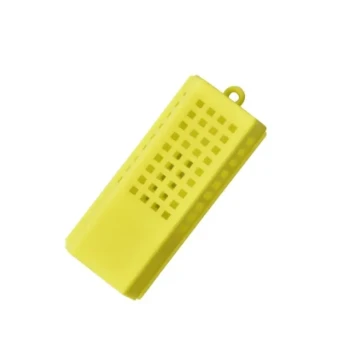
Standard brood frames and queen isolation cages are used to create a defined egg-laying window. Researchers place a clean, empty frame of drawn comb in the brood nest, confine the queen to a restricted section for a controlled period, and then release her. Because the eggs are laid within that interval, the resulting brood has a known and relatively narrow age range for laboratory studies.
Age synchronization depends on controlling both where and when the queen lays. Reliable frames, confinement equipment, and careful hive management make it possible to collect eggs at a predictable embryonic stage and improve the reproducibility of tissue-culture, bee-health, and pathogen research.
How the Collection Method Works
Preparing the Brood Frame
An empty frame of drawn comb is placed in the center of the brood box, where worker bees can clean and prepare it. This location provides access to the active brood area and supports normal colony conditions during oviposition.
The frame should be structurally sound, compatible with the hive system, and free from debris that could interfere with egg laying or later sample handling.
Restricting the Queen’s Laying Area
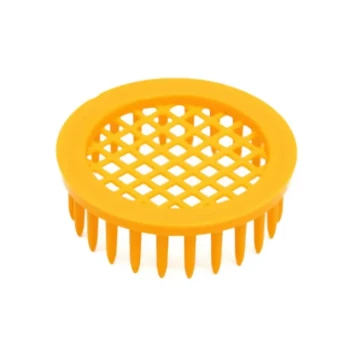
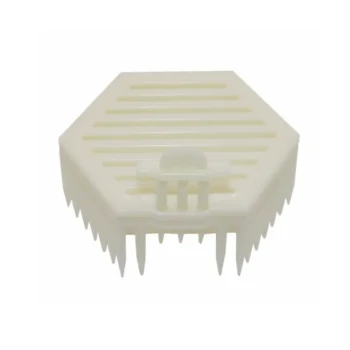
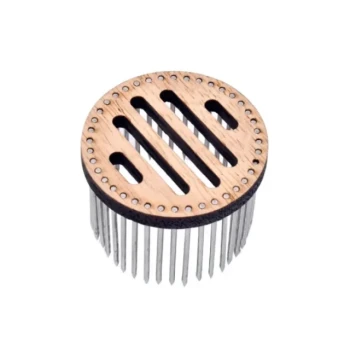
The queen is confined to one side or a defined section of the frame using a queen isolation cage, restricted egg-laying frame, or suitable hardware cloth. This prevents her from distributing eggs across the entire brood nest.
The confinement period determines the width of the age range. A 24-hour window is described in the primary method, while shorter periods, such as six hours, can be used when especially narrow synchronization is required.
Releasing the Queen
After the designated laying period, the queen is released back into the colony. The frame remains in the hive so the eggs can continue developing under stable colony conditions.
Researchers record the time of confinement and release. These timestamps provide the reference point for estimating embryonic age when the frame is later removed.
Incubating the Eggs in the Colony
The frame remains in the brood box for an additional 24 to 48 hours before laboratory collection, depending on the developmental stage required by the study. Keeping the frame in the colony allows the eggs to receive normal temperature, humidity, and worker care.
The precise removal time should be standardized across experimental groups. Even small differences in incubation duration can affect developmental stage and introduce unwanted variation.
Why Synchronization Matters in Research
Supporting Reproducible Tissue Cultures
Age-synchronized eggs provide more consistent starting material for tissue-culture experiments. When samples begin at comparable developmental stages, differences in culture performance are less likely to result from age variation.
This is particularly important in bee-health and pathogen studies, where developmental differences can affect susceptibility, tissue behavior, and experimental outcomes.
Reducing Biological Confounding
Honey bees change rapidly during embryonic and larval development. Hormone activity, gene expression, physiology, and gut microbial development can all vary with age.
Collecting brood from a defined laying window helps researchers attribute observed differences to the tested treatment or biological trait rather than inconsistent sample age.
Extending the Method to Larvae and Pupae
The same frame-based approach can support collection of synchronized larvae or pupae. Researchers leave the frame in the colony until the brood reaches the required stage, then remove samples according to a fixed schedule.
Standardized brood frames are also useful when collecting pupae at the end of the capped stage or recently emerged workers. These applications depend on consistent frame handling and accurate timing.
Equipment That Supports Reliable Sampling
Brood Frames and Standardized Dimensions
Standardized frames create a repeatable physical environment for brood development and colony assessment. Fixed dimensions help researchers compare brood area, colony capacity, and sample availability across colonies.
For distributors and commercial users, compatibility is essential. Frame dimensions, hive format, comb condition, and cage design should match the customer’s existing equipment to prevent workflow interruptions.
Queen Isolation Equipment
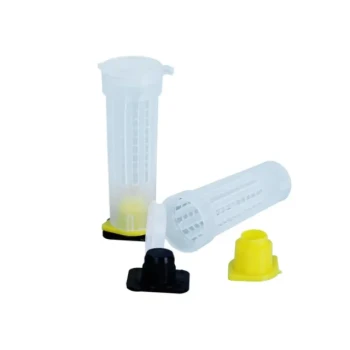
Queen cages and restricted laying frames must securely confine the queen without preventing normal movement, feeding, or egg laying. Equipment that includes access to honey stores can help maintain the queen’s nutritional support during confinement and transfer phases.
The cage should also allow practical installation and removal without excessive disturbance to the colony. A reliable design improves repeatability across multiple collection cycles.
Hive Tools and Smokers
A smoker helps reduce defensive behavior during frame installation, inspection, and removal. A hive tool separates frames that have been joined by propolis, allowing access to the brood nest without unnecessary damage.
These tools do not synchronize egg age directly, but they support controlled handling. Excessive colony disturbance can complicate sampling and increase operational risk for both bees and personnel.
Hive Frames as Controlled Research Hardware
Frames do more than hold comb. They define the available laying area, support standardized brood placement, and make it possible to transfer samples from the hive to the laboratory with minimal disruption.
A consistent hardware portfolio, including compatible frames, cages, smokers, and hive tools, helps research teams source the complete sampling setup from one supplier.
Understanding the Trade-offs
Longer Confinement Windows
A 24-hour confinement period is practical and can produce enough eggs for many studies. However, the resulting age range is broader than that produced by a six-hour or similarly restricted laying window.
Researchers should select the shortest practical confinement period that provides sufficient sample quantity. Narrower synchronization generally requires more precise scheduling and closer monitoring.
Colony Conditions Can Affect Results
The frame is incubated inside the colony, so temperature, worker activity, nutrition, and colony health remain relevant variables. Standardized equipment reduces physical variation but cannot eliminate all biological or environmental differences.
Using colonies with comparable queen age, brood conditions, and overall strength can improve study consistency.
Handling Can Introduce Stress
Repeated opening of the hive, frame movement, or improper use of smoke can disturb the colony and affect normal behavior. Rough frame handling may also damage comb or eggs.
Personnel should use established hive-access procedures and maintain consistent handling times across experimental groups.
Equipment Compatibility and Supply Reliability
A technically suitable cage or frame is still unsuitable if it does not fit the hive system in use. In multi-colony or multi-site studies, inconsistent dimensions or product substitutions can undermine standardization.
For wholesalers, resellers, and research suppliers, dependable inventory, rapid response, and clearly documented specifications are part of experimental reliability, not merely purchasing convenience.
Making the Right Choice for Your Goal
The best setup depends on the required developmental window, sample volume, and hive system.
- If your primary focus is highly synchronized eggs: Use a restricted laying frame or queen cage with a short, documented confinement period and a precisely scheduled removal time.
- If your primary focus is routine tissue-culture or pathogen studies: Use a clean drawn brood frame, a practical 24-hour queen confinement period, and a standardized 24-to-48-hour in-hive incubation schedule.
- If your primary focus is multi-colony or multi-site comparison: Source fixed-dimension frames and compatible queen isolation equipment across all locations, while standardizing colony and handling conditions.
- If your primary focus is efficient procurement: Work with a supplier able to provide the full equipment set, including frames, cages, smokers, hive tools, and replacement components, with consistent specifications and fast fulfillment.
By controlling the queen’s laying area, confinement period, and frame removal time, researchers can obtain honey bee eggs with a predictable age range and build more reliable experiments.
Summary Table:
| Step | Tool | Purpose |
|---|---|---|
| Prepare frame | Brood frame | Provides clean surface for egg laying |
| Restrict queen | Queen isolation cage | Limits laying to a defined time window |
| Release queen | Hive tool | Allows queen removal without damage |
| Incubate eggs | Smoker | Calms bees during manipulation |
| Collect samples | Frame | Transfers eggs to lab with minimal disturbance |
Looking for reliable beekeeping equipment for your research? HONESTBEE offers a comprehensive range of brood frames, queen cages, and hive tools, all built to exact standards for consistent results. Our one-stop sourcing, rapid response, and expert support help B2B clients maintain experimental rigor. Contact us today for a quote or more information.
Related Products
- Premium Wood Framed Metal Wire Queen Bee Excluder
- Professional Bamboo Queen Isolation Cage
- Professional Wooden Requeening Frame for Beekeeping
- JZBZ Langstroth Queen Rearing Frame for Beekeeping
- Professional Queen Bee Introduction and Transport Cage
People Also Ask
- What types of queen excluders are available for beekeepers? Choose the Right Tool for Your Hive
- Why are standardized hive frames and queen excluders essential for maintaining honey purity and quality? Scale Your Purity
- How does a queen-bee excluder function as a defense against Small Hive Beetles? Protect Your Honey with Resource Denial
- What is the purpose of an entrance queen excluder? Prevent Absconding and Stabilize Your New Honeybee Colony
- What is the function of a queen excluder? Maximize Honey Yield and Ensure Data Integrity for Your Apiary