Wooden garden hive lids are engineered for a precise, snug fit directly on top of the beehive structure. Their primary function is to shield the colony from environmental stressors such as rain and direct sunlight, while maintaining structural stability against external forces.
The effectiveness of a wooden hive lid relies on two core design principles: a tight seal to block environmental elements and a secure fastening system to withstand wind pressure.
The Mechanics of Hive Protection
Environmental Shielding
The primary role of the wooden lid is to act as a barrier against the elements.
By sitting atop the hive, it physically blocks rain from entering the colony and protects the bees from the intensity of direct sunlight. This regulation of the internal environment is essential for colony health.
Structural Integrity and Fit
Protection is achieved through the design of the interface between the lid and the hive body.
The lid is crafted to fit snugly over the hive boxes. This tight tolerance reduces gaps where drafts or moisture could intrude, ensuring the internal climate remains stable.
Wind Resistance and Security
A simple friction fit is often insufficient during adverse weather conditions.
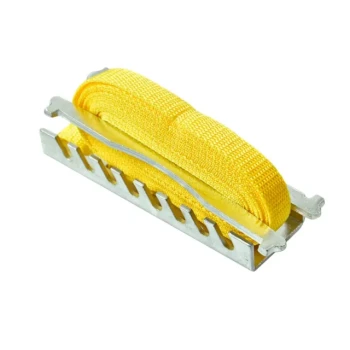
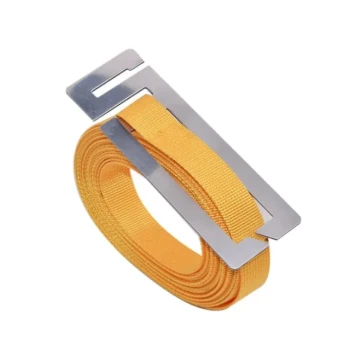
To address this, these lids are designed to work with straps or specialized fastening systems. These mechanisms secure the lid to the main body, preventing strong winds from lifting or blowing the cover off entirely.
Understanding the Trade-offs
Security vs. Accessibility
While fastening systems offer superior protection against wind, they introduce a slight barrier to entry for the beekeeper.
Utilizing straps or clamps ensures the lid stays put during a storm, but it requires additional time and effort to unfasten every time you need to inspect the colony. You must balance the need for ease of access with the necessity of security based on your local weather patterns.
Making the Right Choice for Your Goal
To maximize the longevity of your hive and the safety of your bees, consider your local environment when evaluating lid designs.
- If your primary focus is general weatherproofing: Prioritize a lid with a verified snug fit to effectively block rain and harsh sunlight.
- If your primary focus is storm durability: Ensure the lid design explicitly accommodates heavy-duty straps or an integrated fastening system to resist high winds.
A properly fitted and secured lid is the first line of defense in maintaining a dry, stable environment for your colony.
Summary Table:
| Design Feature | Primary Function | Key Benefit |
|---|---|---|
| Snug-Fit Engineering | Environmental Shielding | Blocks rain, drafts, and direct sunlight |
| Fastening Systems | Wind Resistance | Prevents lid displacement during storms |
| Tight Tolerance | Structural Integrity | Maintains internal temperature and climate stability |
| Barrier Interface | Moisture Control | Keeps the colony dry to prevent mold and stress |
Elevate Your Beekeeping Success with HONESTBEE
At HONESTBEE, we understand that professional beekeepers and distributors need more than just supplies—they need reliability. We provide a comprehensive wholesale range of high-quality wooden hive components, hive-making machinery, and honey-filling equipment designed for commercial-scale operations.
Whether you are expanding a commercial apiary or stocking a retail distribution network, our portfolio of beekeeping tools and industry consumables ensures your colonies are protected and your production is seamless. From specialized hardware to honey-themed cultural merchandise, we are your all-in-one partner.
Ready to scale your operation? Contact us today to discuss our wholesale offerings and how we can support your business growth!
Related Products
- Wooden Bee Hive Frames for Beekeeping and Wholesale
- Wholesales Dadant Size Wooden Bee Hives for Beekeeping
- Professional Galvanized Hive Strap with Secure Locking Buckle for Beekeeping
- Heavy-Duty Nylon Beehive Hive Strap with Stainless Steel Cinch Buckle
- Professional Grade Foldable Beehive Handles
People Also Ask
- How does balancing the number of frames impact hive productivity? Optimize Your Apiary's Biological Output
- How do wooden and plastic hive frames compare in terms of durability? Wood vs. Plastic Longevity & Repairability
- What are the main considerations when choosing between wooden and plastic bee hive frames? Optimize Your Apiary's Efficiency
- How should beehive frames be maintained to prolong their lifespan? 5 Pro Tips for Durable Beekeeping Equipment
- Can I reuse old beehive frames? Save Money and Boost Hive Productivity