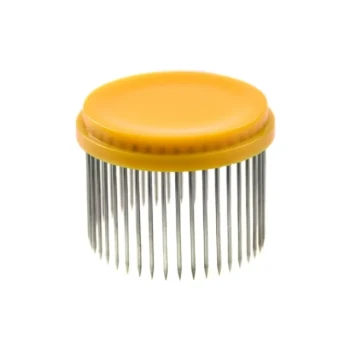
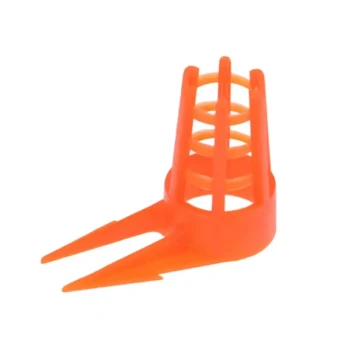
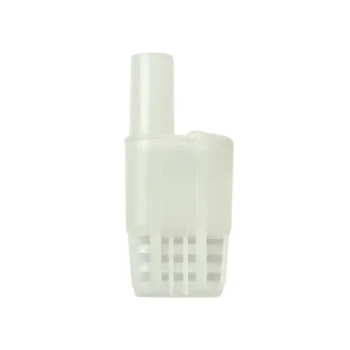
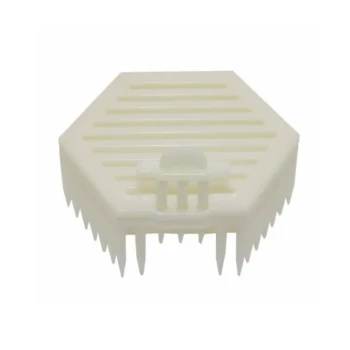
A beekeeper can acquire a push-in queen cage through two primary methods: constructing one manually or purchasing a pre-made unit. You can build your own custom cage using standard hardware cloth, or simply buy a ready-to-use version from a dedicated beekeeping supply company. Both options serve the same functional purpose of isolating the queen directly over a specific section of comb.
While standard cages confine a queen completely, a push-in cage allows her to lay eggs on a section of comb while remaining protected. This capability allows the queen to establish her presence through egg-laying before she is fully exposed to the colony.
Sourcing Options Explained
The DIY Approach
If you prefer a custom fit or wish to save money, you can construct a push-in cage yourself. The primary material required is hardware cloth (wire mesh), which can be cut and bent to the desired dimensions.
Commercial Availability
For those prioritizing convenience, ready-made push-in cages are available through most beekeeping supply companies. These are manufactured to standard specifications, ensuring a consistent fit and reliable durability without the need for tools.
The Strategic Advantage
Beyond Simple Confinement
The push-in cage is distinct from standard queen cages because of its impact on the queen's biology. Standard cages strictly confine the queen, preventing her from performing her primary role.
Early Egg Production
A push-in cage permits the queen to begin laying eggs immediately. Because she is pressed over open cells, she can initiate the laying process while still safely separated from potentially aggressive worker bees.
Brood Integration
When the queen lays eggs inside the cage, she accelerates her acceptance by the colony. The logic is that a laying queen is more valuable and recognizable to the hive than a confined, non-laying one.
Implementation Best Practices
Selecting the Right Area
To use the cage effectively, you must choose a section of comb that contains three specific elements: open cells for egg-laying, emerging brood, and ideally some nectar or honey for food.
Managing Attendants
You should not place the queen in the cage alone. It is best practice to include three to six young attendant bees inside the mesh with her to care for her needs.
Leveraging Emerging Bees
By placing the cage over emerging brood, you ensure the queen encounters friendly bees immediately. The newly hatched bees will readily accept her and provide support, creating a safe micro-environment within the larger hive.
Understanding the Trade-offs
Complexity of Use
Using a push-in cage is less common than standard methods because it requires more manipulation. You must handle the frame extensively to press the cage into the comb, rather than simply hanging a box between frames.
Inspection Requirements
This method requires a follow-up inspection 3 to 5 days after installation. If the queen has not been released by the bees by the fifth day, you must manually release her by removing the cage, which requires opening the hive again.
Making the Right Choice for Your Goal
When deciding how to source your equipment, consider your resources and your comfort level with fabrication.
- If your primary focus is cost efficiency: Construct the cage yourself using hardware cloth, as this allows you to make multiple cages for the price of raw materials.
- If your primary focus is immediate reliability: Purchase a pre-made cage from a supplier to ensure the structural integrity of the mesh is perfect for protecting a valuable queen.
Ultimately, the source of the cage matters less than its ability to securely cover the comb and facilitate early egg-laying.
Summary Table:
| Feature | DIY Push-In Cage | Commercial Push-In Cage |
|---|---|---|
| Primary Material | Hardware cloth (wire mesh) | Pre-formed metal/plastic mesh |
| Main Advantage | Low cost & custom sizing | Ready-to-use & high durability |
| Difficulty | Requires tools and cutting | Zero assembly required |
| Primary Use | High-volume apiary needs | Convenience and reliability |
| Functionality | Allows egg-laying on comb | Allows egg-laying on comb |
Scale Your Apiary Operations with HONESTBEE
At HONESTBEE, we specialize in empowering commercial apiaries and beekeeping distributors with high-quality, professional-grade equipment. Whether you are looking for precision beekeeping tools, advanced hive-making machinery, or automated honey-filling solutions, our comprehensive wholesale catalog has you covered.
Our value to you:
- Wholesale Excellence: Competitive pricing on essential consumables and hardware.
- Industry Machinery: Specialized equipment to streamline your honey production.
- Brand Expansion: Unique honey-themed cultural merchandise to diversify your retail offerings.
Ready to elevate your beekeeping business? Contact HONESTBEE today to discuss how our tools and machinery can optimize your hive management and production efficiency.
Related Products
- Premium Wood and Steel Push In Queen Cage
- Professional Round Push-In Queen Cage with Metal Tines
- Wood and Mesh Push-In Queen Cage
- Durable Plastic Push In Queen Bee Cage
- JZBZ Style Push-In Cell Protector for Professional Queen Rearing Kits
People Also Ask
- What advantages do push-in queen cages offer? Boost Acceptance Rates for Artificially Inseminated Queens
- What is a push-in queen cage and how does it differ from a standard queen cage? Boosting Your Queen Acceptance Rates
- What is a push-in queen cage and how does it differ from standard cages? Achieve Higher Queen Acceptance Rates
- When is a queen introduced with a push-in cage ready for full release? Key Signs for Maximum Colony Acceptance
- What is the step-by-step process for marking a bee using a push-in cage? Safe and Precise Queen Marking Guide