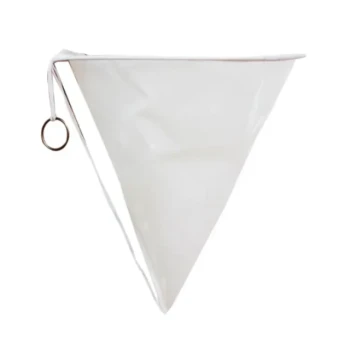
A honey filtering machine maximizes marketability by mechanically removing visible impurities such as wax debris, bee fragments, and larvae to produce a visually superior product. By ensuring the honey is clear, uniform, and aesthetically appealing, producers can directly influence consumer purchasing decisions and meet the rigorous standards required for retail entry.
The Core Insight While raw honey holds value, unrefined impurities often limit a product to local or informal sales channels. Filtration is the bridge to commercial viability, transforming a variable agricultural harvest into a standardized, shelf-stable product capable of commanding premium prices in high-end markets.
Elevating Visual Appeal and Consumer Perception
The Power of Optical Clarity
The primary function of a honey filtering machine is the removal of physical contaminants like beeswax residue, pollen clusters, and air bubbles. This process drastically improves the transparency and fluidity of the final product.
By stripping away these micro-impurities, the machine reveals the honey's true color. This creates the polished, "glowing" aesthetic that signals high quality to the average buyer.
Aligning with Buyer Preferences
Visual appeal is a critical driver of sales. Data indicates that approximately 62.3 percent of consumers prefer processed honey over raw, unfiltered varieties.
Shoppers equate clarity with purity. When honey appears cloudy or contains visible debris, it is often perceived as lower quality or "dirty," regardless of its actual nutritional value.
Ensuring Commercial Viability
Standardization for Retail Access
To enter formal retail channels—such as supermarkets, pharmacies, and export markets—honey must meet strict sensory standards. Retailers require a standardized commercial product that looks consistent from jar to jar.
Filtration removes the variability inherent in raw extraction. This uniformity is a non-negotiable requirement for securing shelf space in major retail outlets.
Commanding Higher Price Points
Refined honey that has undergone professional filtration is positioned as a premium product. The removal of forest debris and insect parts allows producers to label and price their goods for high-end retail markets.
By investing in industrial-grade filtration, beekeepers move up the value chain. They transition from selling a raw commodity to selling a finished, competitive consumer good.
Enhancing Product Stability
Delaying Crystallization
Filtration plays a functional role in extending shelf life. Solid particles and pollen clusters in raw honey act as nucleation sites that accelerate crystallization.
By filtering these out, the machine significantly delays the crystallization process. This keeps the honey in a desirable liquid state for longer, reducing the likelihood of product return or consumer dissatisfaction.
Preventing Spoilage
Advanced processing equipment often integrates filtration with moisture control. This combination is vital for removing yeast and impurities that could lead to fermentation.
Ensuring the biological stability of the honey protects the brand's reputation. It guarantees the product remains safe and edible throughout its intended shelf life.
Understanding the Trade-offs
Balancing Purity with Definition
While filtration improves mass marketability, it is essential to calibrate the process to your specific niche.
Aggressive filtration creates a crystal-clear product perfect for supermarkets, but it may remove distinctive characteristics. Some producers prefer lighter filtration for "raw" market segments to retain more pollen, accepting slightly less clarity for a more "natural" marketing angle.
Operational Complexity
Implementing industrial-grade equipment requires a shift in operations. It introduces new steps regarding equipment maintenance and cleaning to ensure no cross-contamination occurs between batches.
However, modern equipment is designed to preserve natural nutritional components during this process. The trade-off is primarily one of capital investment and process management versus the significantly higher revenue potential of refined honey.
Making the Right Choice for Your Goal
To maximize the return on your honey production, align your filtration strategy with your target audience:
- If your primary focus is Mass Market Retail: Prioritize high-precision filtration to achieve maximum clarity and delay crystallization, as this appeals to the widest consumer base (approx. 62%).
- If your primary focus is Premium Exports: Utilize filtration to ensure zero physical impurities and uniform color, which are prerequisites for meeting international quality certifications and safety standards.
- If your primary focus is Artisanal Sales: Use lighter filtration settings to remove unsightly debris like wax and bee parts while preserving enough character to market the product's natural origins.
Ultimately, a filtering machine is not just a cleaning tool; it is a value-multiplier that allows you to professionalize your product and capture the highest possible market price.
Summary Table:
| Feature | Impact on Marketability | Value to Producer |
|---|---|---|
| Optical Clarity | Removes wax, debris, and air bubbles for a "glowing" look | Increases consumer trust and perceived quality |
| Standardization | Ensures consistent color and texture across all jars | Meets requirements for supermarkets and export |
| Crystallization Delay | Removes nucleation sites like pollen clusters | Extends shelf life and reduces product returns |
| Purity Assurance | Eliminates biological contaminants and yeast | Protects brand reputation and food safety |
| Value Positioning | Transforms raw commodity into a refined product | Enables higher price points in premium sectors |
Elevate Your Honey Production with HONESTBEE
Transform your raw harvest into a high-end commercial success. At HONESTBEE, we specialize in empowering commercial apiaries and distributors with the professional tools needed to scale. Our comprehensive wholesale range includes:
- Precision Machinery: Industrial honey-filtering and honey-filling machines designed for maximum clarity.
- Hardware & Tools: Specialized hive-making equipment and professional beekeeping essentials.
- Industry Consumables: A wide array of high-quality supplies for daily operations.
- Cultural Merchandise: Unique honey-themed products to diversify your brand.
Whether you are aiming for supermarket shelves or premium international exports, our equipment ensures your product meets the highest global standards. Contact us today to optimize your honey processing line and see how we can help you capture more market value.
Related Products
- Professional Stainless Steel Honey Filtering Machine with Water Bath Heating for Beekeeping
- Electric Double Wall Honey Filtering Machine Purifier Equipment for Honey Processing Plant
- Honey Concentrating and Filtering Dehumidifier Machine 2T Capacity for Honey
- Automatic Honey Filling and Filtering Machine for Beekeeping Bottle Filling
- 0.5T Capacity Honey Dehumidifier Dryer with Vacuum Heating and Thickening Filtering Machine
People Also Ask
- Why is filtering honey an important step in honey processing? Ensure Purity, Clarity & Marketability
- Why do people filter honey? For Clarity, Stability, and Consumer Appeal
- What is the best way to filter honey? A Guide to Quality, Clarity, and Raw Preservation
- Is it necessary to filter honey after extraction? A Guide to Straining vs. Raw Honey
- What are the benefits of using honey filters? Achieve Purity, Efficiency, and Market Appeal