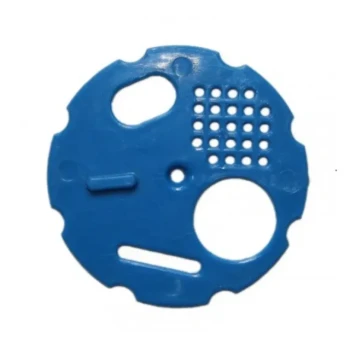
To completely seal a beehive using a standard entrance reducer, you must rotate the wooden block so that the notched entry point is facing upward. By positioning the reducer this way, the solid face of the wood sits flush against the bottom board, creating a physical barrier that prevents bees from entering or exiting.
Core Takeaway To seal a hive, flip the entrance reducer so the notch faces the top bar rather than the floor. This creates a solid wall, but it should only be used for short durations—such as during transport or medical treatments—to prevent the colony from overheating.
Achieving a Complete Seal
Proper Orientation
Most entrance reducers have notches cut into different sides to allow for varying traffic sizes. To seal the hive, ignore these openings.
Rotate the reducer so the entry point faces up. This forces the solid, uncut portion of the wood against the hive floor, effectively closing the gap.
Securing for Movement
If you are sealing the hive for relocation, friction alone is often insufficient. Vibration during transport can cause a loose reducer to shift, accidentally releasing bees.
It is recommended to screw the reducer firmly in place. Use the extra holes provided on the reducer to anchor it to the hive body, ensuring it remains immovable during the move.
Understanding the Trade-offs
The Risk of Overheating
A completely sealed hive has significantly reduced ventilation. Bees generate substantial heat, and without airflow, the internal temperature can rise dangerously fast.
Sealing the entrance should only be done for very short periods. Prolonged closure can lead to colony death due to overheating and suffocation.
Colony Stress
Confinement causes stress to the bees. While sealing is necessary for specific tasks like moving or applying external treatments, it disrupts the colony's natural foraging and waste management cycles.
Minimize the time the reducer is in the sealed position to maintain colony health.
Best Practices for Hive Management
- If your primary focus is relocation: Secure the reducer with screws to prevent it from jarring loose and releasing bees during transport.
- If your primary focus is treatment: Monitor the time carefully and re-open the entrance immediately after the treatment period concludes.
Ensure the hive is sealed only as long as strictly necessary to protect the safety and temperature regulation of your colony.
Summary Table:
| Action | Method | Purpose |
|---|---|---|
| Sealing Technique | Rotate reducer so notch faces upward | Creates a solid physical barrier against the floor |
| Securement | Fasten with screws to the hive body | Prevents shifting during relocation or transport |
| Ventilation Risk | Monitor for overheating | Prevents colony loss due to lack of airflow |
| Duration | Short-term use only | Minimizes colony stress and suffocation risks |
Optimize Your Apiary Operations with HONESTBEE
At HONESTBEE, we understand the precision required for professional beekeeping. Whether you are managing commercial apiaries or supplying the industry as a distributor, we provide the high-quality tools and machinery you need to thrive.
Our extensive wholesale portfolio includes everything from durable hive hardware and specialized entrance reducers to advanced honey-filling machines and hive-making equipment. We empower our partners with reliable supplies and essential industry consumables designed for scale and efficiency.
Ready to elevate your wholesale sourcing? Contact us today to discover how our comprehensive beekeeping solutions can drive your business forward.
Related Products
- Steel Round Disc Entrance Reducer for Flexzion Bee Hive Nuc Box Gate
- Beehive Entrance Reducer Guardian Metal Hive Entrance for Bees
- Professional Hive Front Entrance Bee Feeder
- HONESTBEE Entrance Bee Feeder Efficient Hive Front Liquid Feeding Solution for Beekeeping
- HONESTBEE Entrance Bee Feeder Professional Hive Nutrition Solution for Beekeeping
People Also Ask
- What is the purpose of an entrance reducer for a beehive? Strengthen Colony Defense and Prevent Robbery
- Why are entrance reducers used to counter hornet infestations? Protect Your Hive with Strategic Choke Points
- Why is it critical to maintain a smaller entrance for a newly established bee hive? Boost Colony Growth and Security
- What is the function of an entrance reducer on a beehive? Strengthen Colony Defense and Climate Control
- Under what conditions should a beekeeper adjust the size of a beehive entrance? Seasonal & Defense Management Tips