Effective hive-health management depends on routine inspection, objective monitoring, and integrated pest control. Apiary managers should equip each inspection with protective gear, a smoker, hive tools, sticky boards, screened bottom boards, mite-monitoring supplies, and targeted beetle traps. Regularly checking brood, adult bees, comb, hive conditions, and pest levels allows managers to act before infestations develop into colony-wide losses.
The most reliable strategy is prevention through a repeatable inspection schedule, supported by monitoring hardware and targeted interventions. Treating every colony blindly increases cost and resistance risk; delaying action allows mites, beetles, and brood diseases to spread.
Build a Repeatable Hive-Health Monitoring System
Standardize every inspection
Use the same inspection sequence for every hive. Check adult bee behavior, brood pattern, food stores, queen performance, comb condition, pest evidence, ventilation, and structural damage.
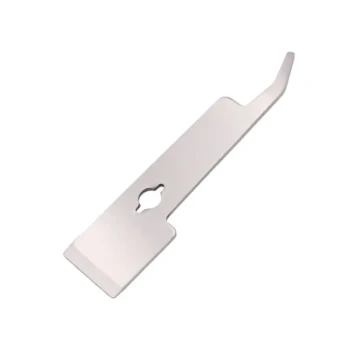
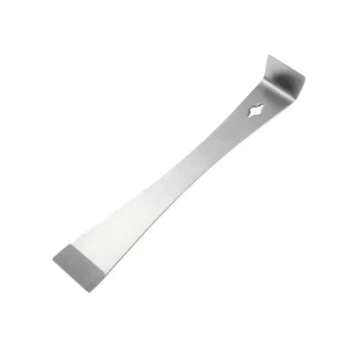
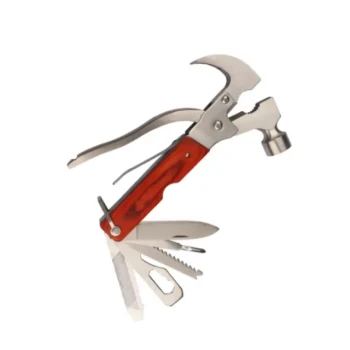
A smoker and protective clothing improve inspection safety, while a hive tool enables managers to examine frames and remove pests found on top-bars, inner covers, and hive surfaces.
Monitor rather than rely on visual guesses
Varroa mites may be present before obvious colony decline appears. Use sticky inspection boards, screened bottom boards, and other appropriate monitoring methods to track infestation levels over time.
Record results by colony and inspection date. Consistent records help managers identify rising pest pressure, compare treatment outcomes, and prioritize colonies requiring immediate attention.
Inspect brood and comb for disease indicators
Examine brood frames for irregular brood patterns and other signs of infectious brood disease, including American foulbrood. This is especially important before reusing old combs or combining weak colonies.
Sanitize equipment between colonies to reduce cross-contamination. Contaminated comb, tools, and hive components can spread problems throughout an apiary.
Control Varroa Mites Before They Cause Colony Decline
Assume mites are an ongoing risk
Commercial apiaries should operate on the assumption that Varroa mites are present and continuously monitor infestation levels. Their rapid reproduction can weaken bees, damage brood, and contribute to colony collapse.
A structured mite-control program is more dependable than occasional treatment after symptoms appear. Monitoring should determine when intervention is needed and whether the chosen treatment has worked.
Use targeted treatments responsibly
Apply approved mite treatments according to their label requirements, seasonal suitability, and local regulations. Targeted applications reduce unnecessary chemical exposure and help control consumable costs.
Organic treatment options, including formic-acid applications, may form part of an integrated program when used correctly. Treatment selection should account for colony condition, temperature, honey supers, and operational requirements.
Combine chemical and genetic management
Mite-resistant bee strains, including Russian honey bees, may support lower treatment dependence through hygienic behavior and other defensive traits. However, genetics should complement—not replace—monitoring and basic pest-control practices.
Queen rearing and requeening can also help maintain manageable, productive colonies. Highly defensive colonies may require requeening because excessive aggression makes regular health inspections more difficult.
Suppress Small Hive Beetles with Multiple Controls
Restrict adult beetle entry
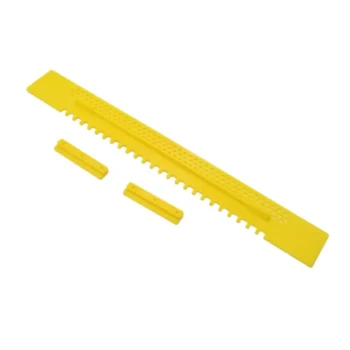
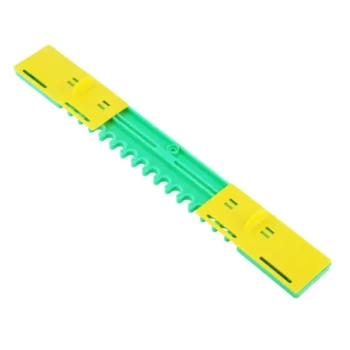
Install entrance reducers where appropriate to limit adult beetle access to the hive. This physical barrier is particularly useful when colony strength is insufficient to patrol all hive entrances and surfaces.
Use specialized beetle traps at the top and bottom of the hive setup. Traps containing mineral or vegetable oil can drown adult beetles, while chemical-free disposable trap cloths can capture beetles in their fibers.
Remove beetles during inspections
Inspect frame top-bars, inner covers, and hive corners for adult beetles. Remove visible beetles mechanically with a hive tool before they reproduce and contaminate honey, pollen, and brood stores.
Keep bottom boards clean and replace or service traps as required. Traps are most effective when they are part of a routine inspection process rather than installed and forgotten.
Reduce favorable breeding conditions
Small hive beetles prefer moist environments, so adequate hive ventilation is important. Direct sunlight, clean equipment, and strong colonies can further reduce conditions that favor beetle development.
Remove old, unused equipment, excess wax, and abandoned comb from the apiary. These materials can provide breeding grounds for small hive beetles and wax moths.
Manage the ground beneath hives
Hard clay or rocky soil can make it more difficult for beetle larvae to burrow and pupate. Some operations also use black polyethylene sheeting covered with stones as a ground barrier to disrupt pest development and re-entry.
This measure should support, not replace, hive-based monitoring and trapping. Site preparation is most valuable when applied consistently across the apiary.
Protect the Apiary from Secondary Risks
Maintain strong, manageable colonies
Strong colonies are better positioned to patrol hive surfaces and suppress beetle activity. Managers should monitor food availability, brood health, queen performance, and colony strength as part of pest prevention.
Weak colonies may require corrective action, including consolidation or requeening, but combining colonies should never occur before disease and pest risks have been assessed.
Control equipment sanitation
Do not move frames, comb, or hive components between colonies without considering disease status. Clean and sanitize reusable tools and hardware to reduce the risk of transferring infectious organisms.
When disease pressure is severe, methods such as the shook swarm approach may be considered with clean replacement frames and foundation sheets. This is a significant intervention and should be used within a broader disease-management plan.
Use seasonal maintenance routines
Pest pressure and colony conditions change throughout the year. Schedule inspections, mite monitoring, trap maintenance, equipment cleaning, and ventilation checks around seasonal risks rather than relying on a single annual review.
For commercial operations, maintaining readily available inspection tools and replacement hardware prevents delays when a colony requires immediate attention.
Understanding the Trade-offs
More treatments do not necessarily mean better control
Continuous chemical treatment can increase consumable costs and contribute to chemical resistance. A monitor-first approach is more efficient because it links intervention to measured pest pressure.
However, avoiding treatment when monitoring indicates a serious infestation can allow rapid colony decline. The objective is not minimal treatment; it is appropriate treatment at the right time.
Hardware requires maintenance and correct placement
Screened bottom boards, sticky boards, entrance reducers, and beetle traps are useful only when correctly installed, inspected, and maintained. Poor placement, full traps, or dirty bottom boards can reduce effectiveness.
Managers should standardize hardware checks and keep compatible replacement components available. This is particularly important for distributors and commercial apiaries managing multiple hive formats.
Biological controls require long-term planning
Mite-resistant stock and requeening can reduce dependence on chemical controls, but genetic improvement takes time and does not eliminate the need for surveillance. Colony temperament, productivity, local adaptation, and availability must also be considered.
A balanced program combines genetics, sanitation, hive hardware, inspection records, and targeted treatments.
Making the Right Choice for Your Goal
The most effective apiary programs match monitoring intensity and product selection to colony scale, pest pressure, and operational priorities.
- If your primary focus is early detection: Standardize inspections using smokers, protective gear, hive tools, sticky boards, screened bottom boards, and detailed colony records.
- If your primary focus is Varroa control: Assume mites are present, monitor infestation levels routinely, and use a structured program combining targeted treatments with resistant bee stock where practical.
- If your primary focus is small hive beetle suppression: Combine entrance reducers, top and bottom traps, mechanical removal, clean bottom boards, ventilation, sunlight, and removal of unused equipment.
- If your primary focus is commercial efficiency: Source compatible inspection tools, traps, treatment applicators, replacement hardware, and sanitation supplies through a dependable one-stop supply system to reduce procurement delays.
- If your primary focus is long-term colony resilience: Combine queen management, hygienic or mite-resistant genetics, sanitation, seasonal maintenance, and measured pest interventions.
A disciplined monitoring system turns pest control from emergency response into predictable, efficient apiary management.
Summary Table:
| Strategy | Key Actions | Tools/Products |
|---|---|---|
| Regular Inspections | Standardize inspection routines, monitor brood, adults, comb, food stores, pests. | Smoker, protective gear, hive tool, sticky boards, screened bottom boards |
| Varroa Mite Control | Monitor mite levels, use targeted treatments, consider resistant bee strains. | Sticky boards, mite treatments (organic/chemical), Russian bees |
| Small Hive Beetle Suppression | Trap adult beetles, reduce favorable breeding conditions, maintain clean bottom boards. | Entrance reducers, beetle traps (oil-based, disposable), hive tool, ventilation |
| Secondary Risk Management | Maintain strong colonies, sanitize equipment, seasonal maintenance. | Queen management, cleaning supplies, replacement hardware |
| Commercial Efficiency | Source compatible tools and supplies through one-stop procurement to minimize delays. | Comprehensive beekeeping equipment and consumables from HONESTBEE |
Ready to optimize your apiary's health and pest control? At HONESTBEE, we supply a comprehensive range of beekeeping tools, machinery, and equipment for commercial apiaries and distributors. From mite monitoring boards and beetle traps to hive-making machinery and honey-filling lines, we have everything you need to run an efficient, healthy operation. Our team offers rapid responses, dedicated support, and fast delivery to ensure your supply chain never disrupts your bees. For distributors and wholesalers, we offer OEM/ODM support, certifications, and competitive margins on our full-spectrum portfolio. Contact us today to discuss your requirements and discover how we can help you achieve your beekeeping goals!
Related Products
- Professional Reversible Beehive Hive Entrance
- Australian Pine Wood Langstroth Screen Bottom Board for Wholesale
- Removable Washable Hive Beetle Trap Attractants for Small Hive Beetles
- Black Plastic Beetle Barn Hive Beetle Trap for Beehives
- Steel Round Disc Entrance Reducer for Flexzion Bee Hive Nuc Box Gate
People Also Ask
- Where is the hive entrance typically located? Optimize Your Hive's Health and Honey Production
- What role does the size of the entrance play in hive ventilation? Master Beehive Climate Control
- What roles does the hive entrance (piquera) play in beehive management and colony health? Essential Guide for Pro Apiaries
- What are the primary advantages of providing a smaller entrance for a beehive? Boost Defense and Winter Survival
- Why adjust beehive entrance size for humidity? Boost Honey Ripening and Varroa Control in Commercial Apiaries