Identifying hive robbing requires a close inspection of wax cappings. When a colony has been robbed, the honeycomb cells will exhibit ragged, torn edges where intruder bees have aggressively chewed through the wax to access honey stores. This is a primary diagnostic marker that differentiates robbing from other causes of colony loss, such as starvation or absconding.
Core Takeaway: Robbing is distinguished by the physical destruction of cell cappings; unlike the clean, empty cells found in a starved colony, robbed combs appear shredded and "messy" due to the forceful removal of honey by intruder bees.
The Visual Markers of Colony Robbing
Analyzing the Condition of Wax Cappings
During a post-mortem inspection, the state of the wax cappings provides the most reliable evidence of robbing. Intruder bees do not neatly uncapping cells; instead, they chew through the wax with urgency, leaving behind jagged and irregular cell edges.
This physical trauma to the comb is a clear indicator that the honey was removed by external bees rather than consumed by the resident colony.
Differentiating Robbing from Starvation
It is critical to distinguish robbing from starvation, as the two can look similar to an untrained eye. In a colony that died of starvation, the cells appear intact but empty, showing no signs of physical tearing.
Furthermore, starved colonies often leave behind a specific visual cue: dead bees with their heads tucked deep inside the cells, searching for the last remaining drops of nectar.
Broader Diagnostic Indicators for Professionals
Signs of Absconding vs. Colony Loss
Understanding the difference between a robbed colony and an absconded one is essential for professional hive management. An absconded hive is typically found entirely empty, often with an empty queen cage and no active bee activity on the frames.
If worker bees are present, building comb, and tending to eggs, the colony was likely established and later succumbed to external factors like robbing.
The Role of Forager Activity in Assessment
Distributors and consultants should note that the presence of a small number of foragers does not signify a healthy or surviving colony. These are often "leftover" bees that were away in the field when the main colony either died or departed.
True colony success is only confirmed by observing consistent activity across the frames, including the storage of fresh nectar and the presence of brood.
Understanding the Trade-offs of Field Diagnosis
Visual Inspection vs. Laboratory Testing
While visual markers like torn cell edges are highly accurate for identifying robbing, they do not reveal why the colony was weak enough to be robbed in the first place. Robbing is often a secondary symptom of an underlying issue, such as disease or queen failure.
Relying solely on visual inspection may lead to overlooking pathogenic causes that could affect other hives in a client's inventory.
The Risk of Misidentifying Activity
Newer beekeepers often mistake the "frenzy" of a robbing event for healthy hive activity. For the professional distributor, providing the right diagnostic tools and education is vital to ensure clients can distinguish between a thriving colony and one being actively liquidated by intruders.
How to Apply This to Your Business Strategy
As a professional partner in the beekeeping supply chain, your expertise in hive diagnostics enhances your value as a full-spectrum service provider.
- If your primary focus is expert client support: Use these diagnostic markers to help clients identify loss causes, positioning your team as a source of deep professional industry expertise.
- If your primary focus is one-stop sourcing: Ensure your inventory includes high-quality entrance reducers and robbing screens to provide immediate solutions for clients facing these issues.
- If your primary focus is efficient order fulfillment: Streamline the delivery of replacement packages and nucs for clients who have confirmed colony loss through these post-mortem signs.
Equipping your clients with the knowledge to accurately diagnose colony loss builds long-term trust and ensures the continued success of their beekeeping operations.
Summary Table:
| Feature | Robbed Colony Signs | Starved Colony Signs |
|---|---|---|
| Wax Cappings | Ragged, torn, and jagged edges | Intact, neat, or cleanly removed |
| Cell Appearance | Shredded and messy looking | Empty but structurally sound |
| Bee Position | Scattered or fighting remains | Bees tucked head-first into cells |
| Honey Stores | Aggressively emptied | Completely depleted |
| Hive Activity | Frenzied/jagged debris at entrance | No activity; clean entrance |
Scale Your Beekeeping Success with HONESTBEE
As a professional partner for commercial apiaries and B2B distributors, HONESTBEE understands that diagnostic expertise is just as vital as high-quality hardware. We offer a one-stop sourcing experience, providing a comprehensive full-spectrum product portfolio—from specialized hive-making and honey-filling machinery to essential industry consumables and honey-themed cultural merchandise.
Why Partner with HONESTBEE?
- Deep Professional Expertise: We support your business with industry-leading insights and diagnostic tools.
- OEM/ODM & Wholesale Excellence: Tailored solutions and competitive margins for resellers and large-scale operations.
- Ultra-Fast Fulfillment: Rapid response times and efficient delivery to ensure your supply chain never breaks.
- Premium Service: Dedicated customer support to assist with everything from order customization to technical queries.
Equip your clients with the best tools in the industry. Contact HONESTBEE today for wholesale inquiries and expert support!
Related Products
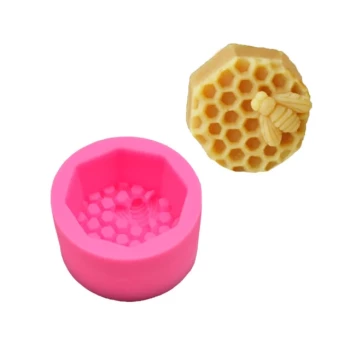
- Hexagonal Bee Honeycomb Silicone Soap Mold by HONESTBEE
- Professional Wide Blade Honey Scraper for Beekeeping and Honey Processing
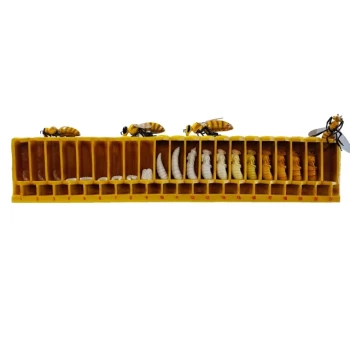
- Honey Bee Lifecycle Model: A Detailed Honeycomb Display of Bee Development
- Premium 6-Cavity Bee and Floral Themed Silicone Soap Mold
- Heavy Duty Castellated Iron Frame Spacer for Honey Supers
People Also Ask
- What are the advantages of silicone molds for queen cell cups? Upgrade Your Queen Rearing Precision
- What should be considered when selecting combs of honey for extraction? | Key Steps for Quality Honey
- What do bees use combs for? The Hive's Essential Pantry and Nursery
- How are Honeycombs utilized as a standardized testing platform in the assessment of honeybee hygienic cleaning? Guide
- How does removing entire honeycombs impact Varroa mites? Master Mechanical Mite Control for Healthier Hives