Beekeepers obtain new laying queens primarily through two distinct methods: purchasing them from established queen breeders or rearing them personally within their own operations. While purchasing allows for immediate acquisition, rearing your own is a more complex process that demands a solid grasp of bee behavior and advanced handling skills.
The decision to acquire a new queen is a strategic move to secure colony viability. Whether you outsource this by purchasing or insource it by rearing, the ultimate goal is to ensure consistent brood production and favorable genetic traits.
The Strategic Drivers for Acquisition
Before selecting a method, it is critical to understand the biological and operational triggers that necessitate a new queen.
Addressing Declining Productivity
Queens age, and as they do, their reproductive capabilities diminish.
Beekeepers introduce new queens to replace aging matriarchs whose brood production is failing. This ensures the colony maintains a sufficient population of workers to capitalize on peak nectar flows.
Facilitating Colony Expansion
New queens are essential for expanding an apiary through "splitting."
By dividing a large colony into two or more new hives, beekeepers can prevent overcrowding and swarming. Each new division requires a laying queen to establish itself as a viable, independent unit.
Enhancing Genetic Traits
Acquiring a new queen is the fastest way to alter the genetics of a hive.
Beekeepers use this opportunity to introduce specific lineages known for desirable traits. These often include improved temperament (gentleness), higher disease resistance, or increased honey production.
Method 1: Purchasing from Breeders
This is the most direct method of acquisition.
Professional Sourcing
Beekeepers can order mated, laying queens directly from commercial queen breeders. This method relies on the expertise of the breeder to produce viable stock.
Immediate Availability
Purchasing bypasses the developmental timeline of raising a bee from egg to mated queen. It provides a ready-to-use solution for immediate colony needs, such as emergency replacement or planned splits.
Method 2: Rearing Personally
This method involves the beekeeper raising queens from their own existing stock.
The Skill Requirement
Rearing is not a passive activity; it requires active intervention and technical skill.
According to the primary reference, success in this area requires a "solid understanding of bee behavior." The beekeeper must also possess refined handling techniques to manipulate the colony without damaging delicate queen cells.
Operational Knowledge
Beyond handling, general beekeeping practices must be mastered. You must understand the specific environmental and hive conditions required to trigger and support queen development.
Understanding the Trade-offs
Choosing between purchasing and rearing involves distinct compromises regarding time, cost, and skill.
The Cost of Convenience
Purchasing saves time and requires less technical skill than rearing.
However, you are dependent on the breeder's schedule and stock availability. You also introduce outside genetics, which entails a level of trust in the breeder's quality control regarding disease and productivity.
The Investment of Rearing
Rearing gives you total control over the genetics and timing of your queens.
The downside is the steep learning curve and the risk of failure. If you lack the requisite understanding of bee behavior, the process may fail, leaving colonies queenless and vulnerable.
Making the Right Choice for Your Apiary
To decide which path suits your current operational maturity, evaluate your resources and goals.
- If your primary focus is immediate stability: Purchase a queen to quickly resolve queenlessness or execute a planned split without risking developmental failure.
- If your primary focus is skill development and sustainability: Begin learning to rear your own queens to gain autonomy over your genetics and reduce long-term dependency on external suppliers.
Mastering queen acquisition—whether through smart purchasing or skilled rearing—is the cornerstone of a resilient and productive apiary.
Summary Table:
| Feature | Purchasing Queens | Rearing Your Own |
|---|---|---|
| Technical Skill | Low - Minimal experience needed | High - Advanced handling required |
| Time Investment | Immediate solution | Several weeks of development |
| Genetic Control | Dependent on external breeder | Full control over existing stock |
| Cost Profile | Higher upfront per queen | Higher investment in time & tools |
| Best For | Emergency replacement / Quick splits | Self-sufficiency / Large-scale apiaries |
Maximize Your Apiary Productivity with HONESTBEE
Whether you are scaling up by rearing your own queens or managing an expansive commercial operation, the right tools are essential for success. HONESTBEE specializes in supporting commercial apiaries and distributors with high-performance beekeeping machinery and equipment.
From specialized hive-making and honey-filling machines to a complete spectrum of wholesale beekeeping tools and industry consumables, we provide the hardware you need to grow your business. Partner with us to enhance your operational efficiency and output.
Contact HONESTBEE today for a wholesale quote and see how our expertise can benefit your beekeeping supply chain!
Related Products
- JZBZ Langstroth Queen Rearing Frame for Beekeeping
- Jenter Queen Rearing Kit Complete Set for Bee Breeding
- Premium Nicot Style Queen Rearing Kit with Hair Roller Bee Cages
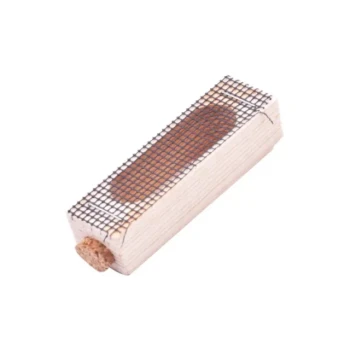
- Classic Wooden and Mesh California Queen Cage
- Brown Nicot Queen Cell Cups for Breeding Queen Bees Beekeeping
People Also Ask
- Why use finishing colonies for queen cell capping? Secrets to Superior Queen Quality and Performance
- How do queen rearing frames and grafting needles function together? Master the Doolittle Method for High-Quality Queens
- What is the purpose of queen rearing frames? Master Controlled Queen Production for Your Apiary
- What are the functions of queen rearing frames and artificial queen cells? Master Bee Genetic Improvement
- What roles do professional queen rearing frames and artificial queen cells play? Scaling Your Queen Bee Production