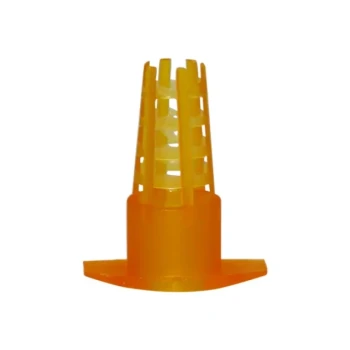
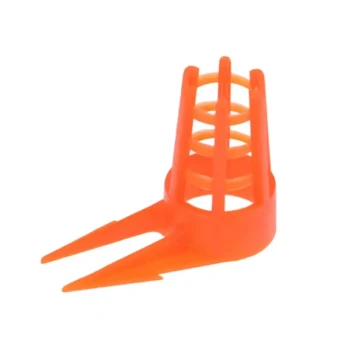
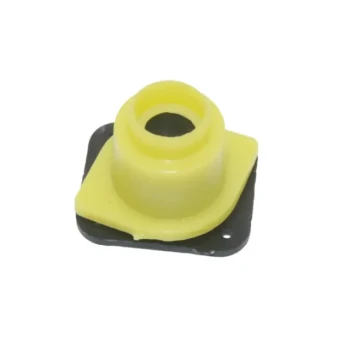
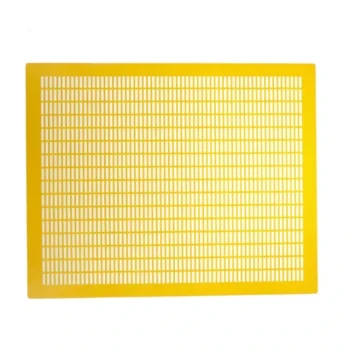
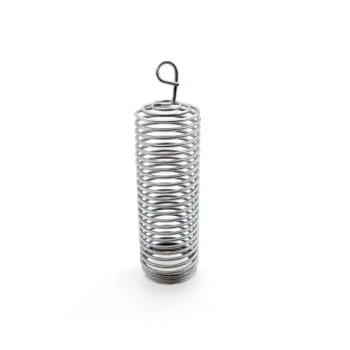
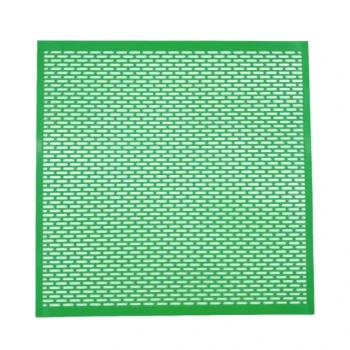
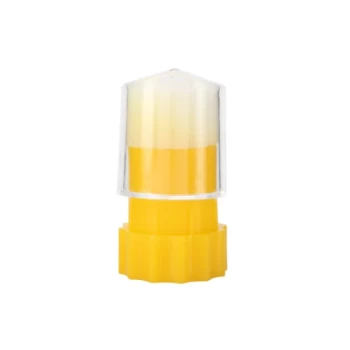
The survival of your queen crop depends on physical isolation. You must use specialized protectors or emergence cages before queens emerge to create an impenetrable barrier around vulnerable cells. This serves two critical functions: it stops worker bees from destroying cells during environmental shifts, and it prevents the first virgin queen that hatches from instinctively killing her unhatched sisters.
The use of protectors is the only way to override the natural biological imperative of the hive, allowing you to safely rear multiple queens simultaneously in a single colony without risk of fratricide or rejection.
The Biological Imperative: Why Isolation is Non-Negotiable
To understand the necessity of these tools, you must understand the instincts governing the hive. Without intervention, a colony typically tolerates only one queen.
Preventing "Royal Combat"
The primary threat to a developing queen is often her own sister. Virgin queens possess a potent instinct to eliminate rivals immediately upon emergence.
Without a physical barrier, the first queen to hatch will seek out remaining queen cells. She will sting through the cell walls, killing the unhatched queens inside.
Protectors ensure that when a queen emerges, she is confined to her specific cage, unable to access or destroy neighboring cells.
Shielding from Worker Sabotage
While workers usually nurture queen cells, their behavior can shift unpredictably.
Environmental changes or stress can trigger worker bees to tear down otherwise healthy queen cells.
By enclosing the cell in a protector, you physically separate the cell from the workers, preserving the developing queen regardless of the colony's mood or external stressors.
Operational Efficiency and Control
Beyond basic survival, using emergence cages transforms queen rearing from a gamble into a controlled process.
Enabling Mass Production
The natural limitation of a hive is "one colony, one queen."
By utilizing protectors, you can effectively bypass this rule. Beekeepers can rear multiple queens within the same rearing colony simultaneously.
This maximizes the total yield of the operation, converting a single hive into a nursery for dozens of potential new colonies.
Facilitating Management and Data
Emergence cages do more than protect; they organize.
Technicians can safely handle the queens for marking, morphometric measurement, or disease prevention vaccinations immediately upon emergence.
Furthermore, these devices allow for precise record-keeping. You can accurately track the emergence rate of specific genetic lines, which is impossible if queens are allowed to emerge freely and mix within the hive.
Understanding the Trade-offs
While essential for rearing, introducing cages alters the natural environment of the queen.
Strict Timing is Required
You cannot install these cages too early. References indicate protectors should be used approximately 10 to 11 days after grafting, once cells are mature.
Installing them too early may impede the workers' ability to incubate the cells properly; installing them too late risks an early emergence and the subsequent destruction of the crop.
Impact on Microbiota
It is important to note that these cages create social isolation.
Scientific studies suggest that restricting contact between the newly emerged queen and worker bees can affect the development of the queen's gut microbiota.
While often necessary for commercial yield or scientific study, this isolation is an artificial state that should be managed carefully regarding its duration.
Making the Right Choice for Your Goal
Whether you are a commercial breeder or a researcher, the application of these tools dictates your success.
- If your primary focus is Commercial Yield: Prioritize protectors to prevent fatal combat, ensuring that a single early-emerging virgin does not destroy your entire production batch.
- If your primary focus is Genetic Data or Research: Use isolation cages to accurately record emergence rates and morphometrics for each specific queen without risk of cross-contamination or loss.
- If your primary focus is Disease Management: Utilize cages to create a controlled window for technicians to administer vaccinations and mark queens before they interact with the general population.
Mastering the use of emergence cages gives you the control to turn natural chaos into a predictable, scalable system.
Summary Table:
| Feature | Purpose of Protection | Key Benefit for Beekeepers |
|---|---|---|
| Physical Isolation | Prevents hatched queens from killing unhatched sisters. | Maximizes queen survival rates and yield. |
| Worker Shielding | Stops worker bees from tearing down cells during stress. | Ensures stability against environmental shifts. |
| Controlled Hatching | Confines the virgin queen to her specific cage. | Allows for easy marking, data tracking, and sorting. |
| Mass Production | Bypasses the "one queen per colony" rule. | Enables rearing dozens of queens in a single nursery hive. |
| Disease Control | Provides a window for vaccinations before hive contact. | Improves overall health and genetic quality of the stock. |
Scaling Your Apiary Operation? HONESTBEE Has You Covered.
At HONESTBEE, we understand that commercial success depends on the survival of every queen cell. We provide professional-grade queen rearing tools, specialized isolation equipment, and a full spectrum of beekeeping machinery designed for distributors and large-scale apiaries. From high-precision queen cell protectors to advanced honey-filling machines, our comprehensive wholesale offering ensures your operation runs with peak efficiency.
Ready to upgrade your production? Contact us today for a custom quote and discover how our expertise can grow your beekeeping business.
References
- Ralph Büchler, J. Wilde. Standard methods for rearing and selection of<i>Apis mellifera</i>queens. DOI: 10.3896/ibra.1.52.1.07
This article is also based on technical information from HonestBee Knowledge Base .
Related Products
- JZBZ Style Shipping Cell Protector for Queen Rearing Kit
- JZBZ Style Push-In Cell Protector for Professional Queen Rearing Kits
- Premium Nicot Style Cell Bar Holder and Queen Cell Cup Holder System
- JZBZ Langstroth Queen Rearing Frame for Beekeeping
- Portable Queen Bee Incubator with 12V Car Adapter for Safe Transport
People Also Ask
- What is the purpose of queen cell protectors? Safeguard Your Queen Rearing Success
- How can aluminum foil be used to protect a queen cell? Low-Cost Shielding for Queen Introduction
- What are some methods and types of queen cell protectors? Safeguard Your Queen Introduction Process
- What is the primary reason for using queen cell protectors? Secure Your Yield with Proven Protection
- What is the role of queen cell protectors and emergence cages? Secure Your Genetic Stock and Hive Stability