Documenting traditional plant uses acts as the architectural blueprint for product innovation. It provides the essential technical and narrative foundation required to transform raw materials into value-added cultural merchandise. By recording specific historical applications—such as medicinal remedies or soap-making techniques—producers can develop specialized items like plant-essence infused beeswax soaps that significantly enhance market competitiveness.
Documented traditional knowledge bridges the gap between raw agriculture and cultural branding. It allows enterprises to convert intangible heritage into tangible assets, creating a diversified product portfolio that communicates ecological value and strengthens brand identity.
Building the Technical and Narrative Foundation
Converting Knowledge into Specifications
Honey plant manuals do more than list species; they serve as technical manuals for product development. By recording functional attributes, such as the saponification properties of certain flora, businesses can move beyond selling raw honey. This documentation allows for the creation of derived goods, such as beeswax soaps infused with specific plant essences, grounding the product in verifiable utility.
Anchoring Products in Storytelling
Successful cultural merchandise relies on a strong narrative. Documentation provides the historical context needed to market a product effectively. When a product is backed by recorded traditional knowledge, it transforms from a simple commodity into a cultural carrier that conveys the heritage of the region.
Strategic Expansion of the Brand
Diversifying Revenue Streams
Relying solely on raw honey production leaves producers vulnerable to market fluctuations. Developing cultural merchandise creates a multi-dimensional product portfolio. This strategy diversifies income sources, allowing beekeeping enterprises to generate revenue from tourism, crafts, and lifestyle products rather than just food staples.
Strengthening Brand Identity
Merchandise acts as a physical representation of the brand’s values. By integrating traditional ecological knowledge into design, businesses establish a unique visual and emotional identity. This helps differentiate the brand in a crowded market, fostering a deeper connection with consumers who value heritage and sustainability.
Knowledge Management as a Competitive Edge
Shortening Design Cycles
A robust knowledge management strategy organizes historical data for rapid application. By systematically sharing this information within an organization, producers can accelerate the transition from creative concept to finished packaging. This efficiency allows brands to respond quickly to market trends while maintaining historical accuracy.
Educational Value and Social Recognition
Merchandise serves as an interactive educational tool. Products derived from specific honey plants translate complex biodiversity concepts into tangible experiences for the consumer. This not only promotes environmental awareness but also increases the social recognition of the beekeeping industry’s ecological role.
Understanding the Trade-offs
Authenticity vs. Mass Production
There is a risk of diluting cultural value when scaling up production. While documentation provides the source material, aggressive commercialization can strip the "soul" from cultural merchandise. Producers must ensure that the transition from traditional knowledge to industrial design does not result in generic products that lose their connection to the original heritage.
Supply Chain Complexity
Developing value-added products introduces new logistical challenges. Unlike raw honey, creating infused soaps or crafts requires sourcing additional materials and managing more complex manufacturing processes. Producers must balance the potential for higher margins against the increased operational costs and technical expertise required for diversification.
Making the Right Choice for Your Goal
To effectively leverage traditional plant documentation, align your strategy with your specific business objectives:
- If your primary focus is Product Differentiation: Use technical records of medicinal or functional plant properties to create unique, utility-based items like therapeutic balms or soaps.
- If your primary focus is Brand Loyalty: Leverage the narrative history of the plants to tell a compelling story that connects the consumer emotionally to the region's heritage.
- If your primary focus is Educational Outreach: Develop interactive merchandise that simplifies complex ecological concepts, using the products to teach consumers about biodiversity and conservation.
True market resilience comes from transforming what you know about the past into what you sell for the future.
Summary Table:
| Strategic Pillar | Actionable Application | Key Benefit |
|---|---|---|
| Technical Foundation | Record saponification & functional properties | Product innovation (e.g., botanical soaps) |
| Narrative Anchoring | Document historical & medicinal lore | Enhanced storytelling & cultural value |
| Brand Expansion | Diversify into lifestyle & craft goods | Reduced market vulnerability & higher margins |
| Knowledge Mgmt. | Systematize ecological data | Faster design cycles & educational outreach |
Elevate Your Apiary Business with HONESTBEE
Transform your traditional knowledge into a powerhouse brand. HONESTBEE provides the professional-grade tools and machinery commercial apiaries and distributors need to scale. From precision honey-filling machines to advanced hive-making equipment, we empower you to move beyond raw honey into the lucrative world of honey-themed cultural merchandise.
Ready to diversify your portfolio and dominate the market? Contact HONESTBEE today to explore our comprehensive wholesale solutions and find the specialized hardware that will bring your brand’s heritage to life.
References
- Paul Latham. Manuals for bee forage in Tanzania and Congo. DOI: 10.1080/0005772x.2001.11099503
This article is also based on technical information from HonestBee Knowledge Base .
Related Products
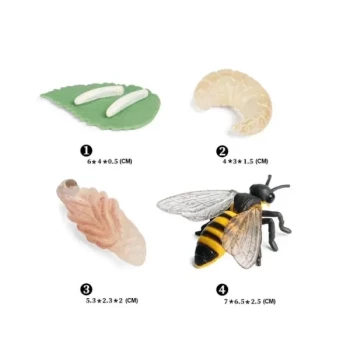
- Honey Bee Life Cycle Model 4 Stage Educational Set for Kids Learning
- Food Grade Plastic Honey Bucket Pail for Beekeeping
- Classic Beehive Honey Bottle Jar with Squeeze Dispenser Lid
- Honey Bee Lifecycle Model: A Detailed Honeycomb Display of Bee Development
- All-Stainless Steel Pivoting Honey Uncapping Fork for Beekeeping
People Also Ask
- How do honey bees utilize water to regulate the internal temperature of the hive? Master Evaporative Cooling Methods
- What criteria should be considered in the selection process for honey bee breeding? Top Traits for Sustainable Apiaries
- Is it good to have honey bees in your yard? A Guide to Boosting Your Garden's Health
- What should be considered when learning the behavior of honey bees and their queens? Master Colony Management
- What activities require a lot of energy for honey bees? Understanding the Colony's Energy Budget