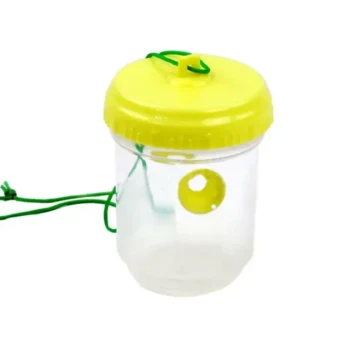
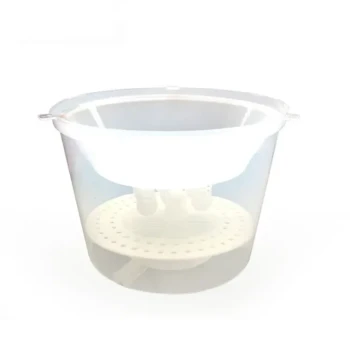
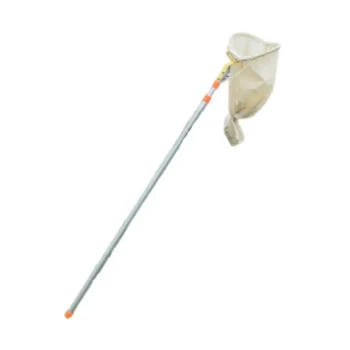
Trapping is a multifaceted defense strategy that protects beehives by targeting yellow jackets at different stages of their lifecycle. Effective management involves using bag traps to reduce active foraging numbers, deploying poison bait systems to eliminate established nests, and capturing queens in the spring to prevent colony formation entirely.
Core Takeaway While standard traps reduce numbers, the most strategic approach targets the yellow jacket nest itself. Catching queens in early spring prevents nests from ever forming, while mixing low-concentration insecticides with meat bait allows foragers to unwittingly destroy their own colony by carrying toxins back to the brood.
Strategic Timing for Trapping
Early Spring Prevention
The most leveraged action a beekeeper can take is trapping the yellow jacket queen in early spring.
Capturing a queen at this stage prevents her from establishing a new nest.
Eliminating one queen effectively stops thousands of future yellow jackets from threatening your hives later in the season.
Managing Active Populations
During the active season, wasp bag traps serve as a frontline defense.
These physical traps reduce the immediate pressure on honeybees by capturing foraging wasps.
Consistent use of bag traps helps lower the overall density of predators patrolling the apiary.
Advanced Control: Poison Bait Systems
The "Trojan Horse" Method
For established infestations, beekeepers can utilize poison bait traps.
This involves mixing low-concentration insecticides with protein-based baits, such as meat or fish.
The goal is not to kill the wasp immediately, but to allow it to leave the trap.
Eliminating the Source
Foraging wasps carry the tainted meat back to their nest to feed the larvae and queen.
Because the insecticide concentration is low, the forager survives the journey, effectively delivering the poison to the colony's heart.
This method can result in the total elimination of the yellow jacket population within that nest.
Safe Disposal Techniques
Non-Chemical Elimination
If you are using physical containment traps rather than poison bait, you will need to kill the trapped live wasps.
Drowning is a common, effective method for disposing of the catch without using chemicals.
Alternatively, freezing the trap ensures the wasps are eliminated humanely and safely.
Understanding the Trade-offs
Insecticide Concentration
Success with poison baits requires precise chemical management.
If the insecticide concentration is too high, the forager will die before reaching the nest, failing to kill the colony.
If it is too low, it may not be lethal enough to eliminate the population.
Bait Selectivity
Using meat or fish is crucial for targeting yellow jackets specifically.
Honeybees forage for nectar and pollen, not protein meats.
This selectivity ensures you are targeting the predator without accidentally poisoning your own bees.
Implementing a Defense Strategy
To protect your apiary effectively, match your trapping method to the season and severity of the threat.
- If your primary focus is long-term prevention: Deploy traps in early spring to capture queens, stopping nests before they are built.
- If your primary focus is destroying an active threat: Use meat-based poison baits to leverage foragers to kill their own colony.
Effective yellow jacket management relies on shifting from simple catching to strategic population elimination.
Summary Table:
| Strategy Type | Timing | Primary Goal | Bait Type | Effectiveness |
|---|---|---|---|---|
| Queen Trapping | Early Spring | Prevent nest formation | Sugary/Pheromone | Extremely High (Long-term) |
| Bag Traps | Active Season | Reduce forager density | Chemical Attractant | Moderate (Immediate relief) |
| Poison Baiting | Active Season | Colony elimination | Protein (Meat/Fish) | High (Destroys the source) |
| Physical Disposal | Post-Capture | Safe elimination | N/A (Drowning/Freezing) | Reliable (Safe for bees) |
Secure Your Apiary with HONESTBEE’s Professional Equipment
Protecting your colony from yellow jackets is just one part of successful hive management. HONESTBEE specializes in supporting commercial apiaries and distributors with high-performance tools and machinery designed for scale.
Whether you need specialized hardware like hive-making and honey-filling machines or a steady supply of essential beekeeping consumables, we provide the comprehensive wholesale solutions your business needs to thrive.
Ready to elevate your honey production and hive security?
Contact our expert team today to discuss how our full spectrum of beekeeping equipment and honey-themed merchandise can add value to your operations.
Related Products
- Compact Multi-Funnel Hanging Wasp Trap
- Professional Bucket Style Wasp and Moth Pheromone Trap
- Professional Multi-Component Bucket Wasp Trap
- Gourd Shaped Hanging Wasp Trap Professional Wasp Catcher
- Reusable Clear Small Hive Beetle Traps for Beehives Beetle Trapping Tools
People Also Ask
- What are the practical advantages of using professional wasp traps and protective equipment in apiary management? Scale Up
- Why replace sugar syrup bait in wasp traps every three days? Ensure Maximum Attraction and Catch Rates
- What is the importance of deploying hornet traps around an apiary for maintaining colony stability? Protect Your Yields.
- What are the advantages of placing hornet traps on the tops of beehives? Maximize Hive Defense Against Predators
- What is the technical purpose of placing expanded clay balls in a hornet trap? Optimize Your Apiary Monitoring