A properly designed beehive cover is a critical tool for regulating internal hive moisture and preventing dangerous condensation. By utilizing a cover specifically engineered with a top opening, you create a ventilation pathway that allows warm, moist air to escape before it can condense on cold surfaces and drip back onto the colony.
Winter condensation is a silent killer of honeybee colonies, often posing a greater threat than freezing temperatures. A vented hive cover solves this by allowing moisture to exit the hive, ensuring the bees remain dry and able to maintain their cluster temperature.
The Mechanics of Moisture Control
The Danger of "Internal Rain"
In winter, bees generate heat, creating warm air inside the hive. When this warm air rises and hits a cold inner cover or roof, it turns into water droplets.
If this condensation accumulates, it can rain down onto the bee cluster. This chills the bees, often proving fatal even if the colony has sufficient food stores.
How Top Ventilation Works
Using a hive cover with a built-in top opening changes the airflow dynamic. Instead of trapping air against a cold ceiling, the opening provides an exit route.
This continuous ventilation ensures that moisture-laden air is vented out of the hive structure. By removing the humidity, you effectively stop the condensation process before it starts.
Critical Considerations and Trade-offs
Design Variability
It is important to note that not all covers offer this feature. As indicated in the reference, only "some" covers are designed with specific top openings for ventilation.
Identifying the Right Equipment
Using a standard, unvented cover during winter may inadvertently trap moisture, worsening the condensation problem. You must verify that the cover you select is specifically engineered to allow moisture escape while protecting the hive from the elements.
Ensuring Winter Survival for Your Colony
To maximize your colony's chances of survival, you must prioritize moisture management alongside temperature control.
- If your primary focus is moisture elimination: Select a hive cover that features a top opening to ensure continuous ventilation of humid air.
- If your primary focus is general winter prep: Recognize that keeping the internal environment dry is just as critical as insulating the hive against the cold.
By controlling moisture through proper ventilation, you convert a damp, dangerous environment into a dry, habitable sanctuary for your bees.
Summary Table:
| Feature | Standard Hive Cover | Vented Hive Cover |
|---|---|---|
| Moisture Control | Traps humid air inside | Allows moist air to escape |
| Condensation Risk | High (Internal Rain) | Low (Dry Environment) |
| Airflow Dynamic | Stagnant | Continuous Ventilation |
| Winter Utility | Insulation focus only | Dual Insulation & Ventilation |
| Outcome | Potential colony chilling | Improved survival rates |
Protect Your Colony with Professional-Grade Equipment
Don't let winter condensation threaten your commercial apiary operations. At HONESTBEE, we specialize in providing high-performance beekeeping tools and machinery designed for the rigors of large-scale honey production.
Whether you are a distributor looking for durable wholesale supplies or a commercial beekeeper needing specialized hive-making and honey-filling machines, we offer the comprehensive hardware and essential consumables you need to succeed.
Ready to elevate your beekeeping productivity? Contact us today to explore our full spectrum of industry solutions and seasonal merchandise tailored to your professional needs.
Related Products
- Inner Beehive Cover for Beekeeping Bee Hive Inner Cover
- Stainless Steel Round Beehive Air Vents for Ventilation
- Premium Three Layer Ventilated Bee Suit with Round Veil
- Three-Layer Ventilated Beekeeper Suit with Structured Fencing Veil
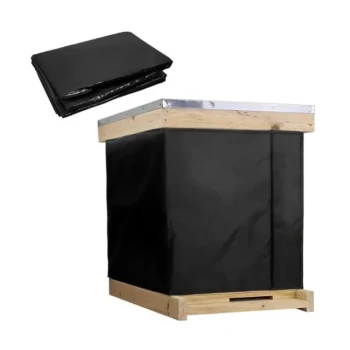
- Professional Insulated Winter Hive Wrap for Beekeeping
People Also Ask
- What is the purpose of the inner cover in a beehive? A Key to Hive Health & Easy Management
- What is the function and placement of an inner cover in a beehive? Essential Hive Management Guide
- What is the purpose of the inner and outer covers in a beehive? Essential for Hive Health & Management
- What is a beehive's inner cover and how is it used? Essential Guide for Hive Insulation and Ventilation
- What are the functions of the inner and outer covers on a beehive? Essential Guide for Hive Protection and Management