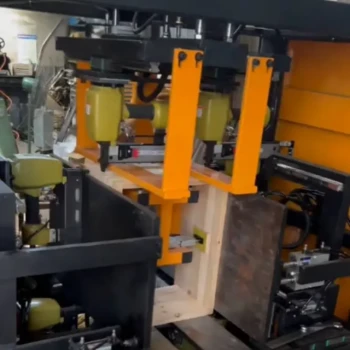
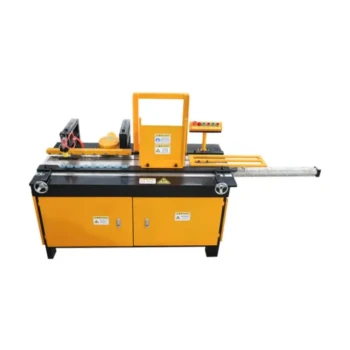
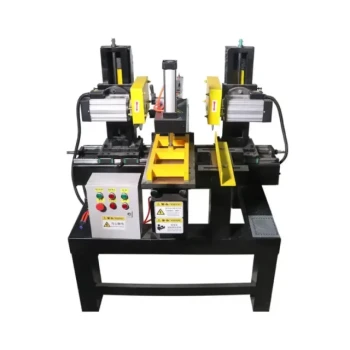
Automated beekeeping and hive-making machinery drive commercial scalability by shifting operations from manual craftsmanship to industrial-grade precision. These technologies fundamentally enhance operational efficiency through the total standardization of hardware, which allows apiaries to manage hundreds of colonies with reduced labor intensity. By ensuring consistent housing specifications and processing standards, this machinery provides the infrastructure necessary for precise hygiene management, disease control, and the mitigation of colony loss.
The critical advantage of this technology is total hardware standardization; by eliminating physical variability in hive components, large-scale apiaries create a predictable environment that streamlines logistics, improves biosecurity, and stabilizes production across diverse climates.
The Strategic Value of Standardization
Achieving Complete Interchangeability
For large-scale operations, particularly those managing over 150 colonies, equipment variability is a logistical bottleneck. Standardized hive-making machinery, utilizing automated tenoning machines and multi-head drills, ensures high-precision manufacturing of all wood components.
This mechanized process guarantees that every frame, box, and bottom board is scientifically structured and fully interchangeable across different apiaries. This eliminates the time wasted fitting mismatched parts during critical inspections or honey harvesting.
Streamlining Logistics and Migration
Commercial beekeeping often involves the large-scale mechanized transport of colonies for pollination services. Industrial-grade production standards guarantee the structural stability required to withstand the physical stress of long-distance migration.
Furthermore, uniform dimensions maximize space utilization during transport. This consistency is fundamental for efficient overwintering management and maintaining production stability despite environmental fluctuations.
Operational Efficiency and Scalability
Reducing Labor Intensity
As hive density increases, the manual labor required for traditional beekeeping becomes unsustainable. Automated machinery significantly reduces labor intensity, allowing a smaller workforce to effectively manage a larger number of hives.
This shift involves replacing traditional nesting methods with modern, standardized equipment that supports non-destructive harvesting. This approach increases honey yield while minimizing stress on the bee colonies.
Rapid Capacity Scaling
Commercial success often depends on the ability to capitalize on short-term nutritional optimization or improved honey plant yields. Automated hive-making machines enable apiaries to rapidly increase hive capacity to handle these harvest peaks.
This speed ensures that the hardware foundation is always available to match biological growth. It facilitates the transition from simple collection to professional, multi-product apicultural enterprises capable of producing honey, pollen, and other byproducts.
Biosecurity and Risk Mitigation
Enhancing Disease Control
A standardized physical environment is a prerequisite for effective biosecurity. Industrial-grade hardware supports precise hygiene management, minimizing the cracks and crevices where pests or pathogens might otherwise thrive in poorly constructed hives.
By maintaining consistent high-quality housing, apiaries can better implement disease control protocols. This directly mitigates the risks associated with colony loss, ensuring the long-term health of the stock.
Weathering Environmental Risks
Consistent, machine-made hives provide better protection against the elements than variable, hand-made alternatives. Industrial-grade designs ensure consistency in colony management across diverse climatic conditions.
This durability is essential for maintaining a stable internal environment for the bees. It protects the colony from external environmental risks, contributing to higher survival rates and more consistent output.
Understanding the Trade-offs
The Necessity of Uniform Adoption
To realize the full benefits of automation, an apiary must commit to a complete overhaul of existing equipment. Mixing legacy, hand-made hives with new, precision-milled components will negate the efficiency gains of interchangeability.
Initial Capital vs. Long-term Gain
While the long-term reduction in maintenance costs and labor is significant, the upfront investment in industrial machinery is substantial. This approach is most effective for operations that have already reached a scale where labor costs and logistical complexity are the primary limiting factors.
Making the Right Choice for Your Goal
When integrating automated machinery into your apiary, align your equipment choice with your immediate operational bottleneck:
- If your primary focus is Rapid Expansion: Prioritize high-throughput hive-making machinery to eliminate hardware shortages during nectar flows and allow for aggressive colony splitting.
- If your primary focus is Migratory Beekeeping: Focus on precision manufacturing tools that ensure structural rigidity and standard dimensions for efficient stacking and transport.
- If your primary focus is Disease Management: Invest in machinery that produces scientifically structured, easy-to-clean components to establish a baseline for strict biosecurity protocols.
Automation provides the rigid physical framework required to turn biological volatility into a predictable, scalable commercial enterprise.
Summary Table:
| Key Benefit | Impact on Commercial Operations | Strategic Outcome |
|---|---|---|
| Total Standardization | Ensures full interchangeability of frames, boxes, and components. | Streamlined logistics and reduced downtime. |
| Labor Reduction | Automates heavy-duty manufacturing and maintenance tasks. | Higher hive-to-worker ratio and lower overhead. |
| Biosecurity | Precision-milled, easy-to-clean hardware reduces pest habitats. | Enhanced disease control and lower colony loss. |
| Rapid Scaling | High-throughput production allows for immediate capacity growth. | Ability to capitalize on peak nectar flows quickly. |
| Structural Stability | Industrial-grade precision withstands migratory transport stress. | Reliable pollination services and migration safety. |
Elevate Your Commercial Apiary with HONESTBEE
Transitioning to industrial-scale beekeeping requires more than just tools—it requires a precision-engineered infrastructure. HONESTBEE specializes in empowering commercial apiaries and global distributors with the high-performance machinery needed to dominate the market.
From automated hive-making machines that guarantee total hardware standardization to industrial honey-filling systems and specialized beekeeping tools, we provide the full spectrum of equipment and consumables your business demands. Our solutions are designed to reduce labor intensity, eliminate logistical bottlenecks, and maximize your honey yield through superior engineering.
Partner with HONESTBEE to scale your operations efficiently.
Contact Our Wholesale Experts Today
References
- Marie‐Pierre Chauzat, Magali Ribière-Chabert. Risk indicators affecting honeybee colony survival in Europe: one year of surveillance. DOI: 10.1007/s13592-016-0440-z
This article is also based on technical information from HonestBee Knowledge Base .
Related Products
- Automatic High-Speed Bee Hive Box Stapling Machine
- High-Efficiency Pneumatic Bee Hive Making Machine for Rapid Box Assembly
- Beehive Handle and Frame Rest Cutting Machine: Your Specialized Hive Machine
- Mini Desktop Bee Hive Frame Forming Making Machine
- Beehive Machine Double End Saw for Precision Hive Component Manufacturing
People Also Ask
- How is the Bee Box machine adjusted for different box sizes? Maximize Your Woodworking Versatility and Precision
- How is the Bee Box machine operated? Optimize Your Commercial Hive Production with Scalable Staffing Solutions
- How was the Bee Box machine designed? Industrial Engineering for High-Volume Beekeeping Production
- What is the production capacity of the Bee Box machine? Boost Output up to 1,000 Boxes Daily
- What are the power requirements and control system for the Bee Box machine? Optimize Your Apiary Equipment Production