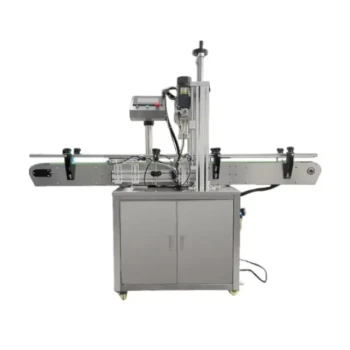
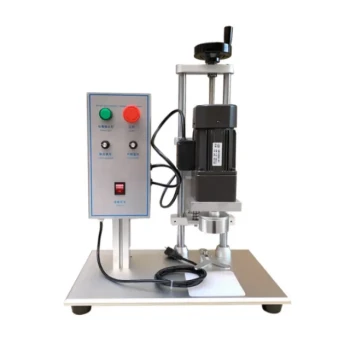
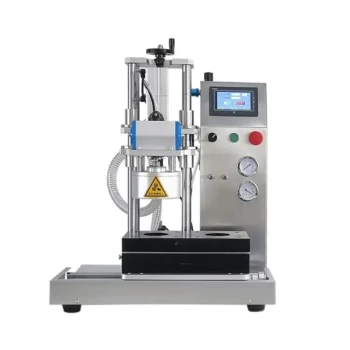
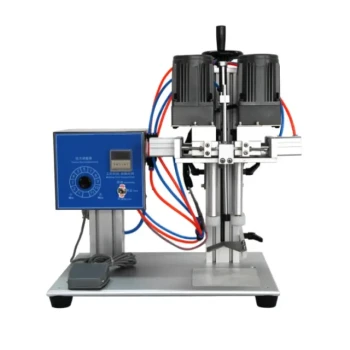
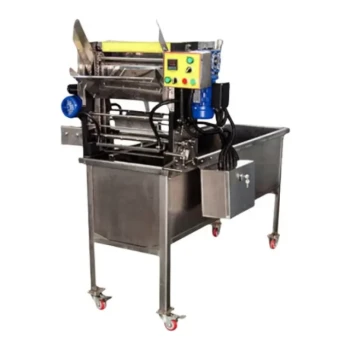
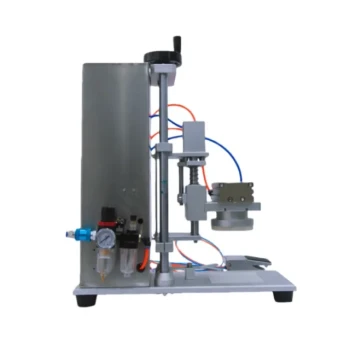
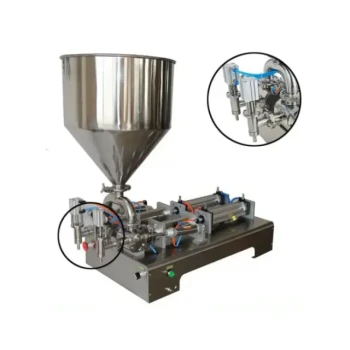
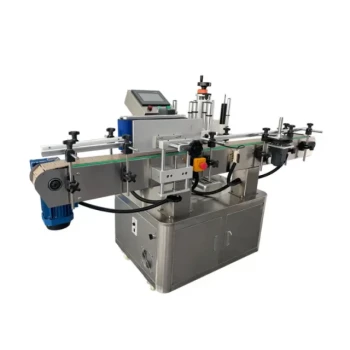
Automated Filling and Capping Machines fundamentally transform the workflow in bee product processing plants by replacing variable manual labor with high-speed, precise mechanical operations. They primarily optimize the production line by ensuring rigorous quantitative filling standards and applying airtight seals that drastically reduce the risk of secondary contamination.
Core Takeaway: By transitioning to automated packaging, processors eliminate the variability of manual handling to achieve the strict hygiene, weight consistency, and aesthetic standards required for large-scale retail distribution.
Elevating Operational Precision
Achieving Exact Quantitative Filling
One of the most critical aspects of optimization is the ability to provide precise quantitative filling.
Unlike manual pouring, which is subject to human error, these machines ensure that the net weight of every container strictly meets specified standards.
Ensuring Airtight Integrity
Automated capping mechanisms are designed to provide immediate, airtight sealing after filling.
This rapid sealing process is superior to manual methods, as it minimizes the time the product is exposed to the environment, thereby significantly reducing the risk of secondary contamination.
Increasing Throughput
The most visible optimization is the drastic increase in packaging speed.
By automating the repetitive physical tasks of filling and sealing, the facility can process significantly higher volumes of bee products in less time compared to manual operations.
Strategic Business Impact
Standardization for Retail
The optimization provided by these machines is not just operational; it is a prerequisite for market expansion.
Consistent weight and hygiene standards are vital for brands aiming for retail distribution and entry into large-scale supermarket channels.
Enhancing Product Appearance
Beyond the contents of the jar, automation improves the exterior presentation of the goods.
Uniform filling levels and perfectly applied caps contribute to a professional appearance for the finished product, which is essential for consumer trust and brand value.
The Risks of Retaining Manual Workflows
The Inconsistency Trap
While manual operations may seem cost-effective initially, they introduce significant variability in product weight.
Failing to meet net weight standards due to human error can lead to regulatory issues and consumer complaints, a risk that automation effectively eliminates.
Hygiene Vulnerabilities
Manual filling and capping inherently involve more human contact with the product.
This increased interaction creates a higher probability of contamination, jeopardizing product safety and shelf stability compared to the closed-loop nature of automated machinery.
Making the Right Choice for Your Goal
To determine if this equipment is the right step for your processing plant, consider your current business objectives:
- If your primary focus is Hygiene and Quality Control: Prioritize automation to utilize airtight sealing technology that minimizes secondary contamination risks.
- If your primary focus is Market Expansion: Implement these machines to ensure the precise net weight and professional appearance required for supermarket shelf standards.
Automating your filling and capping process is the definitive step toward turning a raw agricultural product into a scalable, retail-ready consumer good.
Summary Table:
| Optimization Factor | Manual Processing | Automated Machinery | Business Impact |
|---|---|---|---|
| Filling Accuracy | Variable (Human Error) | High-Precision Quantitative | Meets Net Weight Regulations |
| Hygiene Control | Higher Contamination Risk | Airtight, Closed-Loop System | Ensures Food Safety Compliance |
| Production Speed | Low & Labor Intensive | High-Speed Continuous Flow | Enables Large-Scale Distribution |
| Aesthetics | Inconsistent Seal/Level | Uniform Professional Finish | Enhances Brand Trust & Retail Appeal |
Elevate Your Bee Product Production with HONESTBEE
Is your manual workflow limiting your growth in the competitive honey market? HONESTBEE specializes in empowering commercial apiaries and distributors with professional-grade solutions. From high-speed honey-filling machines and precision capping hardware to specialized hive-making machinery, we provide the tools you need to transition from raw production to retail-ready excellence.
Our value to you:
- Scalability: Drastically increase throughput to meet supermarket demands.
- Consistency: Guarantee precise net weights and airtight seals across every batch.
- Support: Access a full spectrum of beekeeping equipment and industrial consumables.
Ready to optimize your facility and expand your market reach? Contact HONESTBEE today to discover the perfect machinery for your processing goals!
References
- Gamze Saner, Figen Çukur. Alternative Marketing Strategies for Honey and Other Bee Products in Turkey. DOI: 10.1080/10496500802083690
This article is also based on technical information from HonestBee Knowledge Base .
Related Products
- Automatic Inline Spindle Bottle Capping Machine for Honey Production
- Semi Automatic Electric Bottle Capping Machine
- Semi-Automatic Vacuum Capping Machine with Pneumatic Control for Glass Jars
- Automatic Honey Filling and Filtering Machine for Beekeeping Bottle Filling
- Semi-Automatic Pneumatic Bottle Capping Machine by HONESTBEE
People Also Ask
- How does a bottle capping machine work? Unlock Efficient, Consistent Sealing for Your Production Line
- What is the purpose of a bottle capping machine? Boost Efficiency and Ensure Product Integrity
- What are the categories of bottle capping machines? Choose the Right Automation for Your Line
- What is the purpose of bottle capping equipment and what types are available? Professional Sealing Solutions
- What are the main types of caps supported by bottle capping equipment? Threaded, Press-On, and Insertion