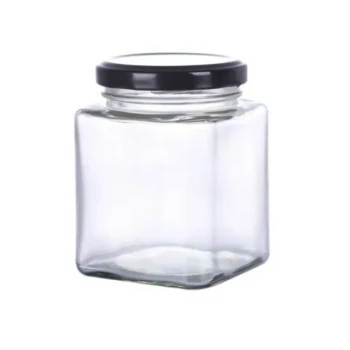
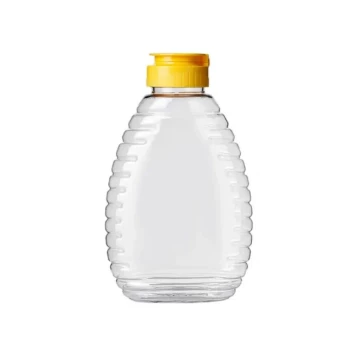
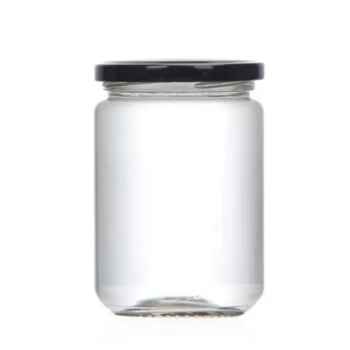
Glass bottles offer superior chemical stability for preserving honey, specifically preventing oxidation and degradation, while bamboo tubes provide a sustainable, natural alternative ideal for immediate field storage. Both materials successfully isolate honey from external moisture and pollutants, ensuring that flavor and quality are maintained during storage.
While both containers effectively seal out environmental contaminants to preserve flavor, glass provides a distinct advantage in preventing chemical changes like oxidation, whereas bamboo prioritizes sustainability and field utility.
The Mechanics of Preservation
Isolating External Contaminants
The primary function of any honey storage container is to create a barrier against the environment.
Both bamboo tubes and glass bottles differ in material composition but perform equally well in isolating honey from external moisture and pollutants.
By preventing the ingress of water and foreign particles, both containers ensure the honey retains its intended viscosity and purity.
Preserving Flavor and Quality
When sealed effectively, both material types support the maintenance of honey's organoleptic properties.
The primary reference indicates that both bamboo and glass allow honey to maintain its flavor and quality during long-term storage.
This suggests that for general purpose storage, either option is viable for keeping the honey palatable and safe from external spoilage factors.
Understanding the Trade-offs
The Chemical Stability of Glass
If your goal is to maintain the honey's chemical composition with high precision, glass is the superior material.
Glass provides superior chemical stability, which acts as a safeguard against oxidation.
Unlike porous or organic materials, glass prevents chemical degradation, ensuring the honey remains chemically unchanged over extended periods.
The Sustainability of Bamboo
Bamboo tubes offer a distinct advantage for environmentally conscious users or specific harvesting contexts.
Bamboo serves as a natural, sustainable container, making it an eco-friendly alternative to processed materials.
It is particularly noted for its effectiveness in immediate field storage, offering a practical and effective sealing method directly at the source of harvest.
Making the Right Choice for Your Goal
Selecting the right container depends on whether you prioritize chemical inertness or environmental impact.
- If your primary focus is maximum chemical purity: Choose glass bottles to prevent oxidation and ensure the honey undergoes no chemical degradation.
- If your primary focus is sustainability and field utility: Choose bamboo tubes for a natural, effective seal that works well for immediate storage.
Both options will successfully protect your honey from moisture and pollutants to preserve its core flavor.
Summary Table:
| Feature | Glass Bottles | Bamboo Tubes |
|---|---|---|
| Primary Benefit | Superior chemical stability | Natural & sustainable |
| Oxidation Control | High (prevents degradation) | Moderate |
| Moisture Barrier | Excellent isolation | Effective sealing |
| Best Use Case | Long-term storage & purity | Immediate field storage |
| Environmental Impact | Recyclable | Biodegradable & Eco-friendly |
Elevate Your Beekeeping Operation with HONESTBEE
Whether you prioritize the chemical precision of glass or the eco-friendly appeal of natural materials, HONESTBEE is your dedicated partner in honey preservation.
We provide commercial apiaries and distributors with a comprehensive wholesale range, including:
- Advanced Machinery: From hive-making to precision honey-filling machines.
- Professional Equipment: A full spectrum of beekeeping tools and hardware.
- Industry Consumables: Everything required to maintain quality from hive to bottle.
Ready to optimize your production and storage? Contact HONESTBEE today to discover how our wholesale solutions can enhance your efficiency and market reach.
References
- Biswajyoti Bikomiya Deori, Manabendra Ray Choudhury. Traditional honey harvesting by the Pnar community of South Assam, India. DOI: 10.3126/on.v14i1.16436
This article is also based on technical information from HonestBee Knowledge Base .
Related Products
- Stainless Steel Honey Storage Tank with Lid for Honey
- Stainless Steel Honey Storage and Settling Tank with Double Strainer
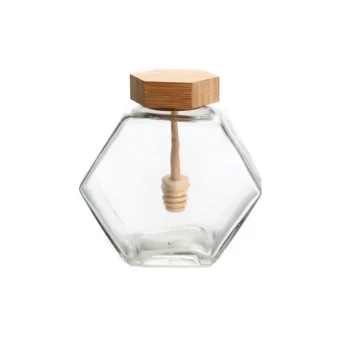
- Hexagonal Glass Honey Jar with Wooden Lid Integrated Dipper Elegant Functional Storage
- Professional Honey Storage Tank with Agitation System
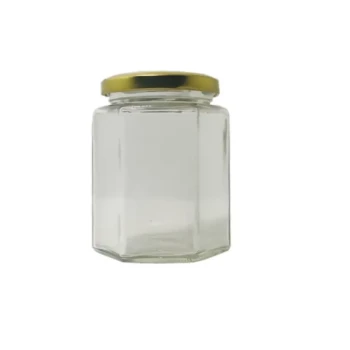
- Hexagonal Glass Honey Jars with Metal Lug Caps Elegant Versatile Packaging
People Also Ask
- What economic role do honey storage tanks play? Boost Your Revenue Through Strategic Inventory Management
- What roles do industrial honey storage tanks and filtration meshes play in processing? Ensure Purity & Consistency
- What is the purpose of a honey storage tank? Streamline Your Honey Processing for Quality & Efficiency
- What are honey storage tanks used for? Essential Features for Quality Preservation and Profit
- How do large honey storage tanks and gravity fall filling systems improve honey packaging efficiency and safety?