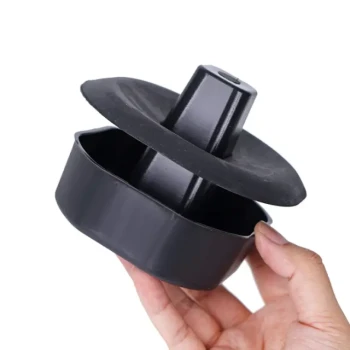
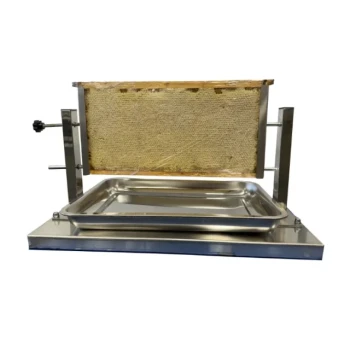
Beehive stands and ground installation methods are critical infrastructure components that directly determine colony survival and honey yields in extreme climates. By providing essential ground clearance, professional stands mitigate heat radiation from the soil, optimize air circulation, and create a physical barrier against terrestrial predators. These factors maintain a stable internal microclimate, allowing bees to spend less energy on thermoregulation and more on production, even in temperatures ranging from deep freezes to intense heat.
Proper hive elevation and installation are not merely aesthetic choices but strategic interventions that stabilize the hive’s internal environment. By decoupling the colony from ground-level temperature swings and moisture, professional stands ensure consistent productivity and lower mortality rates in professional beekeeping operations.
Optimizing Microclimates for Maximum Yield
Mitigation of Ground-Level Thermal Radiation
In extreme heat, the soil acts as a heat sink that radiates warmth directly into the hive base. Professional beehive stands provide the necessary elevation to break this heat transfer, preventing the internal temperature from reaching lethal levels. This insulation allows the colony to maintain the precise thermal conditions required for brood rearing without over-exhausting the worker population.
Enhanced Airflow and Humidity Regulation
Proper ground clearance facilitates passive air circulation around and beneath the hive structure. This airflow is vital in humid or continental climates to prevent the buildup of moisture, which can lead to mold and fungal growth. Standardized installation methods ensure that the hive remains dry, protecting the integrity of the honey, pollen, and royal jelly stored within.
Thermal Efficiency in Cold Climates
During extreme cold snaps, elevated stands prevent the hive from being buried in snow or sitting on frozen ground. Using high-insulation foam hives in conjunction with professional stands further reduces the amount of winter feed the colony must consume to stay warm. This synergy results in significantly higher overwintering survival rates for commercial apiaries.
Enhancing Biosecurity and Structural Integrity
Defense Against Terrestrial Predators
In tropical and sub-tropical regions, elevated stands serve as a primary physical defense against ants, lizards, and other small mammals. By isolating the entrance from the ground, beekeepers can implement additional pest-deterrent measures like oil traps or greased legs. This reduces colony stress and prevents the sudden losses often associated with localized pest infestations.
Resistance to Moisture and Corrosion
In flood-prone or high-humidity environments, the choice of material for hive bases is paramount. Utilizing corrosion-resistant wood or composite materials ensures that the hive remains structurally sound over multiple seasons. These materials resist moisture penetration, which is the leading cause of structural failure and hive contamination in professional settings.
Stability Against High Winds and Storms
Extreme weather often brings high-velocity winds that can overturn unsecured hives, leading to total colony loss. Sturdy structural designs and secure ground anchoring systems are essential for protecting the hardware investment. A stable installation ensures that professional management tasks—such as queen replacement and colony division—can be performed safely regardless of the landscape.
Understanding the Trade-offs
Portability vs. Permanent Stability
While heavy-duty stands offer the best protection against wind and predators, they can limit the mobility of migratory beekeeping operations. Distributors must balance the demand for ultra-fast delivery and setup with the need for rugged, long-term durability. Lightweight composites offer a middle ground, providing high strength without the logistical burden of traditional steel or heavy timber.
Initial Capital Expenditure vs. Long-Term ROI
Standardized, high-quality stands represent a higher initial investment compared to improvised solutions like cinder blocks. However, the reduction in larval mortality and the increase in annual honey output quickly offset these costs. For resellers, highlighting the "cost-per-colony-saved" is a more effective strategy than focusing solely on the purchase price of the hardware.
Making the Right Choice for Your Goal
As a distributor or wholesaler, selecting the right installation hardware depends on the specific environmental challenges faced by your end-users.
- If your primary focus is Heat and Drought Mitigation: Prioritize high-clearance stands with wide footprints to maximize airflow and minimize soil heat transfer.
- If your primary focus is Humidity and Pest Control: Recommend corrosion-resistant composite stands with integrated pest barriers to prevent mold and terrestrial predator entry.
- If your primary focus is Extreme Cold Survival: Focus on sourcing high-insulation foam hive bodies paired with low-profile, stable bases that minimize exposure to harsh winds.
- If your primary focus is Commercial Scalability: Invest in standardized, stackable stand designs that allow for efficient order fulfillment and rapid deployment across large apiaries.
The right installation method transforms a simple beehive into a high-performance production vessel capable of thriving in the world's most challenging environments.
Summary Table:
| Climate Challenge | Impact of Professional Stands | Key Feature to Look For |
|---|---|---|
| Extreme Heat | Reduces soil heat radiation; improves airflow | High-clearance, wide footprint |
| Extreme Cold | Prevents snow burial; insulates from frozen ground | Stable, low-profile sturdy bases |
| High Humidity | Prevents mold and rot by keeping hives dry | Corrosion-resistant composites |
| Pest Pressure | Creates physical barrier against ants and lizards | Greased legs or oil trap compatibility |
| High Winds | Prevents hive turnover and colony loss | Secure ground anchoring systems |
Scale Your Apiary Success with HONESTBEE
Equip your commercial operations or distribution network with professional-grade infrastructure designed for the toughest environments. HONESTBEE is your premier partner for one-stop beekeeping sourcing, offering everything from high-insulation hives and specialized stands to honey-filling machinery and essential consumables.
Why Partner with Us?
- Comprehensive Portfolio: Access a full spectrum of beekeeping tools and industrial machinery.
- Distributor-Focused Service: Benefit from high-margin wholesale offerings and reliable OEM/ODM support.
- Efficiency at Scale: Experience ultra-fast delivery and dedicated expert support to keep your supply chain moving.
Ready to enhance your product lineup and drive higher ROI for your clients?
References
- ELLEN CRISTINA NABIÇA RODRIGUES, Márcio Nannini da Silva Florêncio. APICULTURA COMO ESTRATÉGIA SUSTENTÁVEL NO SEMIÁRIDO BRASILEIRO: CONTRIBUIÇÕES DA LITERATURA E EVIDÊNCIAS BIBLIOMÉTRICAS. DOI: 10.31692/2526-7701.xcointerpdvagro.0182
This article is also based on technical information from HonestBee Knowledge Base .
Related Products
- Metal Hive Feet Bee Hive Stand for Ant Protection
- Metal Bee Hive Stand Bee Box Stand for Beekeeping
- Plastic Bee Hive Stand for Beekeeping
- Professional Ant-Proof Beehive Stand with Integrated Moat for Beekeeping
- Professional Adjustable Stainless Steel Honeycomb Display Stand
People Also Ask
- What are the benefits of elevating a bee hive with a stand or base? Protect Your Colony and Your Back
- How does a beehive stand protect against predators and pests? Essential Strategies for Colony Security
- How should the height of a beehive stand be determined? Find Your Ergonomic Sweet Spot
- What to stand a beehive on? The Best Foundation for a Healthy, Manageable Apiary
- What is the best base for a beehive? Choose the Right Stand for Colony Health