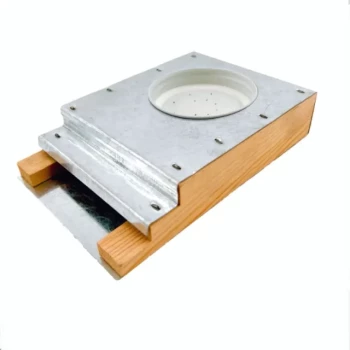
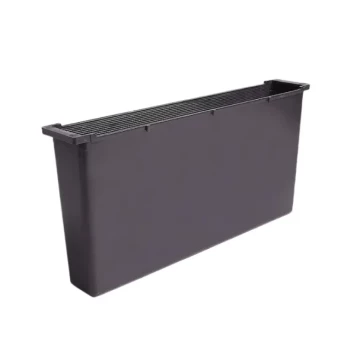
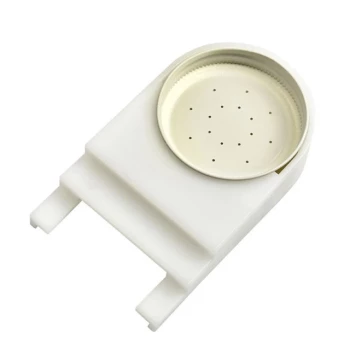
Bees access a rapid feeder through a central opening located directly above the hive bodies. Once inside the unit, they navigate using the feeder's specially textured inner walls, which allow them to maintain a firm grip while climbing down to consume the syrup and climbing back out safely.
A rapid feeder is designed to balance accessibility with safety. Its primary goal is to allow bees to build reserves and meet water or sugar demands quickly—without the high drowning risk associated with open containers.
The Mechanics of Entry and Feeding
The Central Access Point
The feeder is placed directly on top of the upper box of the beehive.
Bees move upward from the frames and enter the feeder through a designated exit or cup located at the center or side, depending on the specific model.
The Importance of Surface Texture
Safety within the feeder relies heavily on friction.
The inner walls of the feeder are textured rather than smooth.
This texture provides the bees with a secure foothold, ensuring they can climb in to eat and—crucially—climb back out without slipping into the liquid.
Preventing Drowning
The design effectively guides bees to the food source while limiting their exposure to the bulk of the liquid.
By giving bees a controlled area to stand and feed, the rapid feeder significantly reduces accidental drowning.
This conservation of the workforce helps the colony focus its physical energy on building reserves rather than recovering from losses.
Installation and Maintenance Principles
Proper Placement
To install the feeder, place it directly on top of the hive's uppermost box.
Ensure the alignment allows bees to move freely from the frames below into the feeder's access point.
The Protective Enclosure
You cannot simply place the hive roof directly on top of most rapid feeders.
You must place an empty hive box around the feeder.
This creates a protective shell that accommodates the height of the feeder and shields it from the elements and robber bees.
Routine Monitoring
Regular inspections are vital to the feeder's success.
Check the feeder frequently to determine if it needs to be refilled with syrup or water.
Regular checks also allow you to identify if the unit needs cleaning to prevent mold growth or fermentation of the syrup.
Common Pitfalls to Avoid
Neglecting the Empty Box
Failing to use an empty box around the feeder is a common error.
Without this surrounding shell, the hive roof will not seat correctly, leaving the hive exposed to weather and pests.
Ignoring Hygiene
While rapid feeders are efficient, they can become breeding grounds for mold if syrup sits too long.
If the bees are not consuming the feed quickly, or if the season has changed, remove and clean the feeder immediately to prevent contaminating the hive.
Making the Right Choice for Your Goal
- If your primary focus is Colony Safety: Rely on rapid feeders with highly textured interior walls to minimize drowning risk while feeding.
- If your primary focus is Fast Resource Buildup: Use this feeder to supply large volumes of syrup, ensuring you check levels frequently to match the hive's rapid consumption.
By utilizing the textured grip and proper enclosure of a rapid feeder, you provide your colony with a safe, high-volume food source that preserves their energy for hive productivity.
Summary Table:
| Feature | Mechanism/Function | Benefit to Colony |
|---|---|---|
| Access Point | Central/Side opening above hive frames | Direct and easy entry for worker bees |
| Internal Texture | Ribbed or textured inner walls | Provides grip to prevent slipping and drowning |
| Placement | Atop the upper box within an empty hive body | Protects feed from weather and robber bees |
| Safety Design | Controlled feeding area | Minimizes bee losses while allowing high-volume intake |
Scale Your Apiary Success with HONESTBEE
Maximize your colony's productivity and health with professional-grade equipment from HONESTBEE. As a premier partner for commercial apiaries and distributors, we provide a comprehensive wholesale range designed to meet the demands of large-scale beekeeping operations.
Our extensive portfolio includes:
- Advanced Feeding Systems: High-capacity rapid feeders designed for safety and efficiency.
- Precision Machinery: Hive-making and honey-filling machines to streamline your production.
- Full Spectrum Supplies: From essential beekeeping tools and hardware to industry consumables and unique honey-themed merchandise.
Ready to enhance your inventory or commercial operation? Contact us today to discover how our wholesale solutions can drive your business forward.
Related Products
- Rapid Bee Feeder White Plastic 2L Round Top Feeder for 8 or 10-Frame Bee Hives
- HONESTBEE Entrance Bee Feeder Efficient Hive Front Liquid Feeding Solution for Beekeeping
- White Plastic 0.5L Beekeeping Entrance Feeder for Bees
- HONESTBEE Professional Entrance Bee Feeder Hive Nutrition Solution
- HONESTBEE Entrance Bee Feeder Professional Hive Nutrition Solution for Beekeeping
People Also Ask
- What should be done with feeders and equipment after feeding bees? Essential Steps for Apiary Health
- What should be done if feed in a feeder is not consumed by the bees? Prevent Hive Mold with Prompt Feed Management
- What is the necessity of specialized internal or entrance feeders? Secure Your Hive with Professional Feeding Tools
- How do bee feeders work to preserve colony health during nectar shortages? Essential Guide for Beekeepers
- How quickly does a medium to strong colony usually empty a feeder? A Beekeeper's Guide to Hive Health