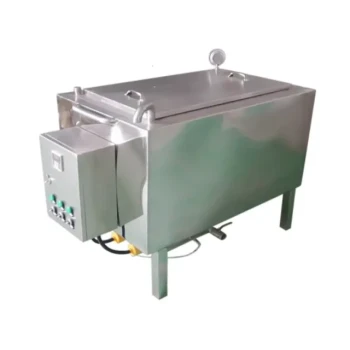
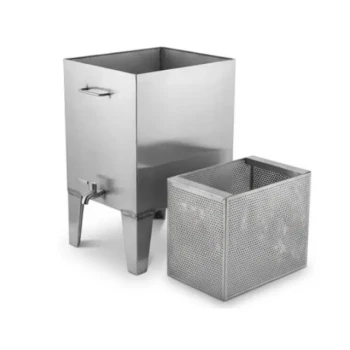
Beeswax recycling and processing systems act as a critical firewall for apiary health by creating a closed-loop material cycle. By allowing beekeepers to refine and repurpose their own beeswax into foundation sheets, these systems eliminate the need to import external wax products, which are common vectors for pathogens and chemical contaminants.
By establishing an internal recycling capability, an apiary transforms beeswax from a potential biological risk into a secure, renewable asset. This ensures that every new comb introduced to the colony is free from the diseases and pesticide residues often found in commercially sourced wax.
The Strategy of Isolation
Eliminating External Vectors
The primary contribution of these systems to biosecurity is the reduction of external variables. When you purchase commercial comb foundation, you are often buying wax aggregated from unknown sources.
Imported wax poses a significant risk, as it may carry bacterial spores, viral pathogens, or pesticide residues from other operations. Processing your own wax removes this entry point for infection entirely.
Creating a Closed-Loop System
A closed-loop system means the apiary becomes self-sufficient regarding wax consumables. Old honeycombs and cappings are collected, processed, and returned to the hive as new foundation.
This containment strategy ensures that any biological material circulating within the apiary originated there. It prevents cross-contamination between your healthy colonies and the broader, unmonitored beekeeping industry.
The Role of Thermal Processing
High-Temperature Sterilization
The machinery used in beeswax recycling does more than just reshape the material; it sanitizes it. The melting process involves high temperatures required to liquefy the wax for filtration and molding.
This thermal exposure minimizes pathogen load, effectively neutralizing many biological threats. It ensures the resulting foundation sheets provide a sterile environment for larval development.
Purification and Standardization
Beeswax melting devices use precise temperature controls to separate impurities from the wax. This purification process results in a clean raw material free from physical debris that could harbor contaminants.
Once purified, the wax is pressed into standardized sheets. These clean, uniform templates encourage bees to build quickly and orderly, reducing the stress on the colony and promoting a hygienic hive structure.
Understanding the Trade-offs
Operational Complexity vs. Security
While internal processing guarantees better biosecurity, it requires a shift in operational focus. You are moving from simply buying supplies to managing a small-scale manufacturing workflow.
Investment Requirements
Establishing this system requires upfront capital for melting and pressing machinery. While this eliminates the recurring cost of purchasing foundation sheets, it introduces new maintenance and labor requirements for the beekeeper.
Making the Right Choice for Your Goal
To determine if an internal processing system is the right biosecurity step for your apiary, consider your primary objectives:
- If your primary focus is Disease Prevention: Prioritize a full recycling setup to ensure zero contact with external, potentially contaminated wax sources.
- If your primary focus is Cost Management: Balance the upfront investment in machinery against the long-term savings on consumable foundation sheets.
- If your primary focus is Colony Efficiency: Utilize precision embossing machines to provide standardized foundations that accelerate comb building and increase honey production.
Control your materials, and you control the health of your hive.
Summary Table:
| Feature | Impact on Biosecurity | Operational Benefit |
|---|---|---|
| Closed-Loop Recycling | Prevents entry of external pathogens & pesticides | Reduces reliance on third-party wax suppliers |
| Thermal Sterilization | Neutralizes bacterial spores and viral loads | Produces sterile foundations for larval growth |
| Material Purification | Removes physical debris and contaminants | High-quality wax results in stronger comb structure |
| In-house Embossing | Guarantees 100% wax purity & origin | Standardized sheets accelerate colony building |
Secure Your Apiary’s Future with HONESTBEE
Protecting your colonies starts with controlling your materials. At HONESTBEE, we empower commercial apiaries and distributors with professional-grade beeswax recycling and processing machinery. From high-capacity melting tanks to precision honey-filling and foundation-making machines, our equipment ensures your wax remains a secure, renewable asset rather than a biological risk.
Why partner with HONESTBEE?
- Comprehensive Wholesale Range: Access the full spectrum of beekeeping tools, specialized hardware, and essential consumables.
- Commercial-Grade Quality: Our machinery is designed for durability and high-volume efficiency.
- Total Control: Eliminate external contaminants by producing your own high-quality foundation sheets.
Ready to enhance your biosecurity and streamline your operations? Contact us today to discuss your wholesale needs and discover how our solutions can grow your beekeeping business.
References
- Liena Poiša, Andris Skromulis. ASSESSMENT OF FACTORS INFLUENCING BEEKEEPERS' ACTIVITIES IN LATGALE. DOI: 10.17770/etr2025vol1.8673
This article is also based on technical information from HonestBee Knowledge Base .
Related Products
- Electric Commercial Beeswax Melter for Factory Use
- Manual Beeswax Flat Sheet Machine for Beeswax Processing
- Electric Beeswax Flat Sheet Machine with Operating Tray for Wax Processing
- Steam Beeswax Melter Wax Warmer for Wax Processing
- Electric Flatting and Embossing Machine with Tray for Beekeeping
People Also Ask
- Why might a commercial beekeeper prefer an electric beeswax melter? Maximize Profit with Speed & Scale
- What safety precautions should be taken when melting beeswax? A Guide to Flammable Wax Handling
- What types of beeswax melters are available for different scales of beekeeping? Solar vs. Electric Melters Compared
- What are the three popular methods for melting beeswax? Safely Process Your Wax with Ease
- How do you melt beeswax without making a mess? Master Safe & Clean Techniques