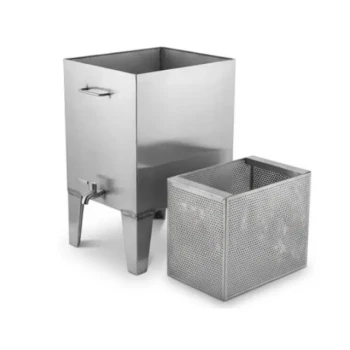
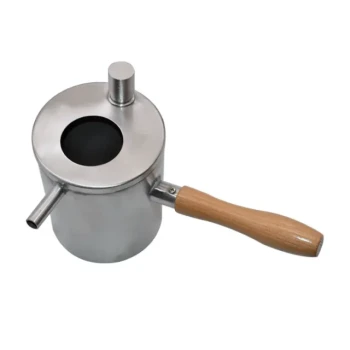
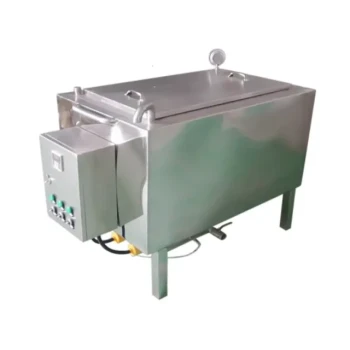
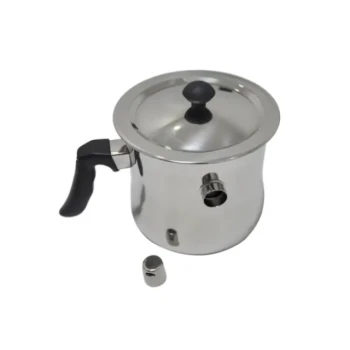
Steam wax melting machines provide the critical "kill step" in biological Varroa mite control strategies. When beekeepers employ drone brood removal to trap mites, these machines utilize high-temperature steam to process the infested combs, simultaneously melting the beeswax for recovery and eradicating the parasitic mites and drone larvae hidden within the cells.
By integrating high-temperature processing with wax recovery, steam melting machines transform biological waste into reusable resources while preventing the secondary transmission of Varroa mites within the apiary.
The Role of Steam in Biological Control
Biological control often involves trapping mites in drone brood frames, but the effectiveness of this method hinges on how those frames are processed after removal.
Targeting the Mite Reservoir
Varroa mites prefer to reproduce in drone brood cells. Beekeepers exploit this behavior by removing these frames once they are capped.
The Thermal Solution
The steam wax melting machine accepts these removed frames. It applies high-temperature steam directly to the comb.
Elimination of Pests
The intense heat penetrates the capped wax cells. This thermal action kills both the developing drone larvae and the Varroa mites hosted inside, ensuring the parasites are neutralized.
Preventing Re-infestation
The primary danger in handling infested frames is the risk of mites surviving and returning to the colony.
Stopping Secondary Transmission
If infested combs are not treated immediately or effectively, mites can migrate back onto adult bees. Steam processing creates a closed-loop system where the biological vector is destroyed instantly.
Non-Hazardous Waste Treatment
The steam process separates the organic matter (dead larvae and mites) from the wax. This converts a potential biological hazard into manageable organic waste that is safe to discard.
Resource Recovery and Efficiency
Beyond pest management, these machines serve a dual purpose in apiary economics.
Purification and Recycling
While killing the mites, the steam melts the beeswax. The machine purifies this wax, allowing the beekeeper to recover a valuable commodity from what would otherwise be waste material.
Operational Standardization
Using a dedicated machine standardizes the disposal process. It replaces inconsistent manual methods with a repeatable, hygienic workflow that aligns with Integrated Pest Management (IPM) protocols.
Understanding the Trade-offs
While steam wax melters are effective for biosecurity, they introduce specific operational requirements.
Energy and Infrastructure
Generating sufficient steam to kill mites and melt wax requires a reliable energy source. This adds an operational cost compared to non-thermal disposal methods like freezing.
Maintenance Requirements
The residue left behind—often called "slumgum"—contains the cooked biological matter of larvae and mites. This creates a dense waste product that requires frequent and thorough cleaning of the machine to prevent clogging and maintain thermal efficiency.
Making the Right Choice for Your Goal
To effectively utilize steam wax melting for Varroa control, align your equipment choice with your specific apiary needs.
- If your primary focus is biosecurity: Ensure the machine maintains a consistent high temperature that penetrates capped cells rapidly to guarantee the elimination of all mites.
- If your primary focus is sustainability: Select a model with superior filtration systems to maximize the yield of purified wax from the processed drone frames.
Automating the sterilization of drone frames turns a biological liability into a recoverable asset, securing both your colony health and your wax supply.
Summary Table:
| Feature | Impact on Varroa Control | Economic & Operational Benefit |
|---|---|---|
| High-Temp Steam | Penetrates cells to kill larvae and mites instantly | Ensures 100% biosecurity and sterilization |
| Thermal Processing | Stops secondary transmission by closing the loop | Converts biological waste into safe organic matter |
| Wax Separation | Purifies wax from infested drone brood frames | Recovers high-value beeswax for resale or reuse |
| IPM Integration | Standardizes the drone brood removal workflow | Replaces manual disposal with a hygienic, repeatable process |
Maximize Your Apiary’s Health and Profitability with HONESTBEE
Protecting your colonies from Varroa mites requires more than just biological control—it requires industrial-grade efficiency. At HONESTBEE, we specialize in empowering commercial apiaries and distributors with high-performance beekeeping machinery designed for the modern industry. From steam wax melting machines that ensure total biosecurity to advanced honey-filling systems and specialized hive-making hardware, our comprehensive wholesale catalog covers every stage of production.
Don't let biological waste drain your resources. Partner with HONESTBEE to transform your hive management into a streamlined, high-yield operation. Contact our expert team today to discuss how our professional equipment can scale your business and protect your bees.
References
- Yuxin Chen. Research progress on VARROA DESTRUCTOR. DOI: 10.1051/bioconf/20225501023
This article is also based on technical information from HonestBee Knowledge Base .
Related Products
- Steam Beeswax Melter Wax Warmer for Wax Processing
- Professional Stainless Steel Wax Melter for Beekeeping and Crafts
- Electric Commercial Beeswax Melter for Factory Use
- Solar Beeswax Melter Easy Solar Wax Melter for Beeswax
- Beeswax Melter for Candle Making Honey Bee Wax Melter
People Also Ask
- How does a steam wax melter work? A Fast, Efficient Method for High-Quality Wax
- How does a professional steam wax melter optimize the recovery of beeswax? Maximize Yield & Hygiene for Your Apiary
- What are the steps to use a steam wax melter? Master Safe & Efficient Wax Rendering
- How do steam wax melters function in the disinfection of apiary equipment? Achieve Chemical-Free Organic Sterilization
- How do you operate a steam wax melter? Master Efficient Wax Extraction and Frame Sterilization